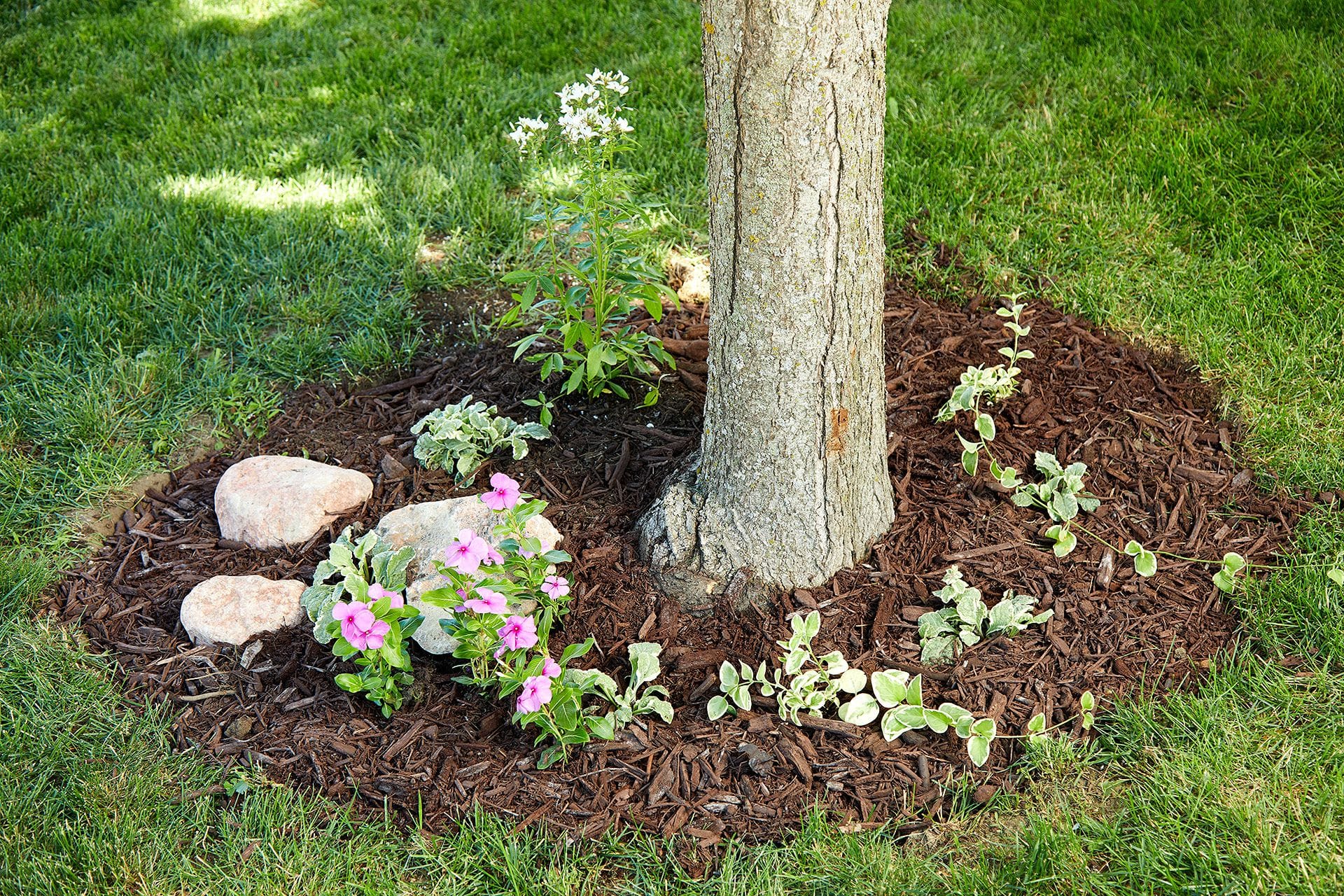
To landscape around trees, start by protecting the tree roots and using mulch. Add plants that thrive in shade.
Landscaping around trees enhances your yard’s beauty while preserving tree health. Begin by avoiding damage to the tree roots. Use organic mulch to retain moisture and suppress weeds. Choose shade-loving plants that coexist well with trees. Consider creating a border to define the area and add visual appeal.
Avoid piling soil against the tree trunk to prevent rot. Regular maintenance keeps the landscape attractive and healthy. Thoughtful planning ensures both the tree and surrounding plants flourish. With these tips, create a harmonious and beautiful garden space around your trees.

Credit: www.youtube.com
Choosing The Right Plants
Landscaping around trees can be a delightful task. The right plants can enhance the beauty of your garden. They can also ensure the health of your trees. Selecting plants that thrive under tree canopies is crucial. Here, we will explore some excellent choices.
Shade-tolerant Varieties
Many plants do not need full sun to grow well. Shade-tolerant varieties are perfect for areas under trees. These plants thrive with limited sunlight. They help create a lush and inviting landscape.
- Hostas: Known for their large leaves. They come in various shades of green.
- Ferns: These add a delicate touch. They grow well in the shade.
- Astilbes: Their feathery flowers brighten shady spots. They are also low-maintenance.
These plants not only survive but flourish under trees. They provide ground cover and reduce soil erosion. This helps maintain the health of your tree roots.
Native Species
Native species are plants that naturally grow in your area. They adapt well to local conditions. They require less water and care. This makes them an excellent choice for landscaping around trees.
| Plant | Characteristics |
|---|---|
| Trilliums | Beautiful white flowers in spring. They prefer shaded areas. |
| Wild Ginger | Heart-shaped leaves. They form a dense ground cover. |
| Bluebells | Bright blue flowers. They spread easily and thrive in shade. |
Using native plants has many benefits. They support local wildlife. They also enhance the natural beauty of your garden. Native species are a sustainable choice for any garden.
Preparing The Soil
Preparing the soil is the first step to landscape around trees. Proper soil preparation ensures healthy tree growth. It also helps plants around trees thrive.
Soil Testing
Start with a soil test. This helps determine the soil’s pH level and nutrient content. You can buy a soil test kit online or from garden stores.
Follow these steps for soil testing:
- Dig small holes around the tree.
- Collect soil samples from each hole.
- Mix the samples in a clean container.
- Use the test kit to analyze the soil.
| Soil Component | Ideal Range |
|---|---|
| pH Level | 6.0 – 7.0 |
| Nitrogen | High |
| Phosphorus | Medium |
| Potassium | High |
Amendments And Mulching
Based on the soil test, add necessary soil amendments. These could be lime, sulfur, compost, or fertilizers.
- Lime raises pH levels.
- Sulfur lowers pH levels.
- Compost adds organic matter.
- Fertilizers provide essential nutrients.
Next, apply a layer of mulch around the tree base. Mulch helps retain soil moisture and reduce weeds. Spread mulch evenly, but avoid piling it against the tree trunk.
Tree Root Care
Taking care of tree roots is crucial for a healthy landscape. Proper root care ensures that trees thrive and avoid damage. In this section, we will cover essential tips on avoiding root damage and root-friendly planting.
Avoiding Root Damage
Tree roots are sensitive and need careful handling. Here are some tips to avoid root damage:
- Avoid Heavy Machinery: Machinery can compact soil and break roots.
- Hand Digging: Dig by hand near tree roots to prevent cuts and breaks.
- Mulching: Use mulch to protect roots from external stress.
- Watering: Ensure proper watering to keep roots hydrated and strong.
Root-friendly Planting
Planting around tree roots requires special care. Follow these steps for root-friendly planting:
- Select Suitable Plants: Choose plants with shallow roots that coexist with tree roots.
- Use Raised Beds: Raised beds prevent soil compaction and root damage.
- Spacing: Ensure proper spacing to avoid competition for nutrients and water.
- Soil Quality: Use nutrient-rich soil to support both the tree and new plants.
Proper tree root care ensures a healthy and beautiful landscape. By avoiding root damage and practicing root-friendly planting, you can create a thriving environment for your trees and plants.
Designing With Trees
Landscaping around trees can transform your garden into a natural haven. Trees provide shade, beauty, and structure. Designing with trees involves creativity and planning. Let’s explore some key concepts to enhance your landscape.
Creating Focal Points
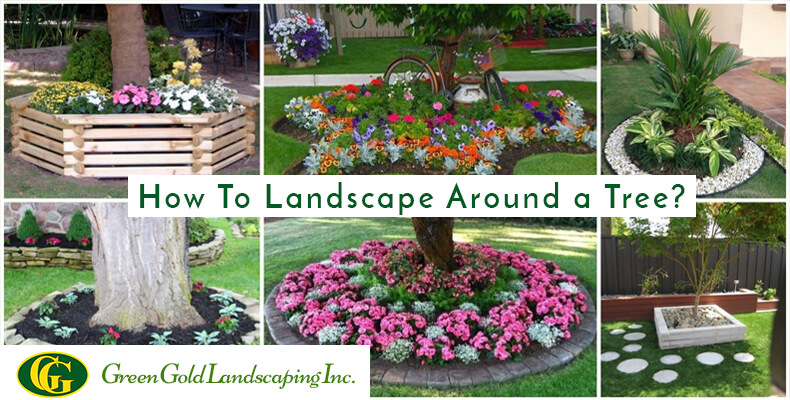
Trees can be natural focal points in your garden. Use trees to draw attention. Place a bench under a large tree. Add a birdbath near a smaller tree. These elements create interest. Surround the base with colorful flowers or decorative stones. This makes the tree stand out more.
Consider the tree’s shape and size. Tall, majestic trees make great focal points. Small, flowering trees add charm. Choose trees that complement your garden’s style. This ensures a harmonious look.
Layering Plant Heights
Layering plant heights around trees adds depth and dimension. Use tall shrubs and grasses at the back. Place medium plants in the middle. Use low-growing flowers or ground covers at the front. This creates a tiered effect that is visually appealing.
Here is a simple table to illustrate layering:
| Height | Plants |
|---|---|
| Tall | Trees, Tall Shrubs |
| Medium | Medium Shrubs, Grasses |
| Low | Ground Covers, Flowers |
Use the right plants for each layer. Choose shade-tolerant plants for under trees. This ensures they thrive. Mix textures and colors for variety. This makes your landscape more interesting.
Here is an example list of plants for layering:
- Tall: Oak tree, Holly bush
- Medium: Ferns, Hydrangeas
- Low: Hostas, Violets
Layering plants creates a lush, full look. It helps fill empty spaces. This approach makes your garden more vibrant and inviting.
Watering Techniques
Landscaping around trees requires proper watering techniques. This ensures trees get the right amount of water. Below are some efficient ways to water your trees.
Efficient Irrigation
Efficient irrigation helps save water and keeps trees healthy. Use drip irrigation for precise water delivery. Drip systems release water slowly at the tree’s base. This reduces water wastage.
Soaker hoses are another good option. They release water along their length. This ensures even watering around the tree. Position the hose in a circle around the tree.
| Method | Advantages |
|---|---|
| Drip Irrigation | Saves water, precise delivery |
| Soaker Hoses | Even watering, easy setup |
Deep Watering Methods
Deep watering helps roots grow strong. Water deeply but less often. This encourages roots to grow downwards. Use a deep root watering tool. This tool delivers water straight to the roots.
A slow-release watering bag is also effective. Fill the bag and place it at the tree’s base. Water drips slowly over time, reaching deep roots.
- Use a deep root watering tool.
- Install a slow-release watering bag.
- Water deeply but less often.
Using Hardscapes
Landscaping around trees can be challenging. Hardscapes offer a practical solution. They add structure and beauty to the area. Hardscapes are durable and low-maintenance. Let’s explore ways to use hardscapes around trees.
Pathways And Borders
Pathways guide visitors through your garden. They protect tree roots from heavy foot traffic. You can use materials like gravel, brick, or stone. These materials are strong and long-lasting.
Borders help to define spaces. They keep mulch and soil in place. Borders can be made from wood, metal, or stone. Choose a material that matches your garden’s style.
| Material | Benefits |
|---|---|
| Gravel | Easy to install, good drainage |
| Brick | Classic look, durable |
| Stone | Natural appearance, strong |
Decorative Stones
Decorative stones add charm to your garden. They come in many colors and sizes. Use them to cover the soil around trees. This helps to retain moisture and prevent weeds.
Here are some popular choices:
- River rocks
- Pea gravel
- Marble chips
Decorative stones are easy to maintain. They do not need watering or trimming. They also help to keep the area clean and neat.
Seasonal Maintenance
Proper seasonal maintenance keeps your trees healthy and your landscape beautiful. Each season requires specific tasks to ensure your trees thrive. Below, we outline the key practices for maintaining your trees throughout the year.
Pruning Practices
Pruning helps trees grow strong and look neat. The best time for pruning is late winter or early spring. This is when trees are still dormant and less stressed.
- Remove dead or diseased branches.
- Trim branches that cross each other.
- Shape the tree for better growth.
Use sharp tools to make clean cuts. Always prune just outside the branch collar. This is where the branch meets the trunk.
Winter Protection
Winter can be harsh on trees. Protecting them ensures they survive the cold months. Here are some tips for winter protection:
- Wrap young trees with burlap to protect from frost.
- Mulch around the base to insulate roots.
- Water trees well before the ground freezes.
For trees prone to snow damage, consider staking them for extra support. This will help them stay upright and prevent breakage.
Use these seasonal maintenance tips to keep your trees healthy and your landscape looking its best all year round.
Credit: www.greengoldlandscapinginc.com
Eco-friendly Landscaping
Eco-friendly landscaping is a wonderful way to beautify your garden while helping the environment. It focuses on sustainable practices that protect nature. This is especially important when landscaping around trees. Trees provide shade, clean the air, and support wildlife. Therefore, it is crucial to keep them healthy while making your garden look beautiful.
Composting Benefits
Composting is a great way to improve the soil around trees. It helps the soil retain moisture and nutrients. These are essential for tree health. Here are some benefits of composting:
- Reduces waste: Composting recycles kitchen and garden waste.
- Improves soil structure: Compost makes the soil crumbly and airy.
- Provides nutrients: Compost enriches the soil with organic matter.
- Retains moisture: Compost helps the soil hold water.
To make compost, gather kitchen scraps like fruit peels and veggie bits. Add garden waste like grass clippings and leaves. Mix them in a compost bin. Turn the pile every few weeks to help it break down. After a few months, you will have rich, dark compost to spread around your trees.
Sustainable Materials
Using sustainable materials in landscaping is kinder to the planet. These materials have a smaller carbon footprint and are often more durable. Here are some options:
| Material | Benefits |
|---|---|
| Bamboo | Fast-growing and renewable. Great for fencing and decorations. |
| Recycled Plastic | Durable and long-lasting. Perfect for garden furniture and edging. |
| Natural Stone | Sturdy and aesthetically pleasing. Ideal for pathways and borders. |
Bamboo is an excellent choice for eco-friendly landscaping. It grows quickly and replenishes itself. Recycled plastic products are another fantastic option. They reduce waste and last for years. Natural stone is both beautiful and durable. It can be used in various ways around your garden.
By choosing these sustainable materials, you contribute to a healthier planet. Your garden becomes a haven for you and local wildlife.

Credit: thehoneycombhome.com
Frequently Asked Questions
How To Landscape Around A Tree In The Front Yard?
Clear grass around the tree. Add mulch for moisture retention. Plant shade-tolerant flowers or ground cover. Avoid piling soil against the trunk. Use edging to define the area.
How To Put Landscape Fabric Around Trees?
To put landscape fabric around trees, clear debris, cut a fabric piece, place it around the tree base, secure edges, and cover with mulch.
How To Edge Around Trees?
Use a garden spade to cut a clean edge around the tree. Remove grass and debris. Spread mulch to protect roots and retain moisture. Maintain the edge regularly for a neat appearance.
What Is The Best Way To Plant Around A Tree?
To plant around a tree, choose shade-tolerant plants. Maintain a mulch ring and avoid damaging roots. Ensure proper watering and spacing.
Conclusion
Transforming your yard by landscaping around trees can boost its beauty and health. Follow these tips to protect tree roots and enhance your garden’s appeal. Remember, a well-planned landscape offers benefits for both you and the environment. Start your project today and enjoy a more vibrant, eco-friendly outdoor space.