To landscape your yard, start by planning your design and selecting appropriate plants. Implement hardscaping elements to enhance aesthetics.
Transforming your yard into a beautiful landscape involves careful planning and creativity. Start by sketching a design that incorporates your desired elements, such as flower beds, pathways, and seating areas. Choose plants that thrive in your climate and soil type to ensure longevity and low maintenance.
Incorporate hardscaping features like patios, retaining walls, and water features to add structure and interest. Consider the functionality of the space, ensuring there is a balance between beauty and practicality. With thoughtful planning and execution, your yard can become a stunning outdoor sanctuary. Proper landscaping not only boosts curb appeal but also creates a serene environment for relaxation and enjoyment.
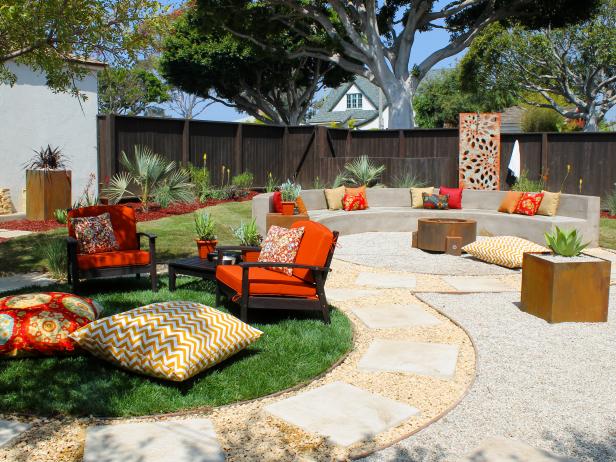
Credit: www.hgtv.com
Planning Your Landscape
Creating a beautiful yard begins with a well-thought-out plan. Planning your landscape ensures you make the most of your space. Let’s dive into the steps to get started.
Assess Your Space
Begin by evaluating your yard. Understand its dimensions and characteristics. Here are some key points to consider:
- Size: Measure your yard’s length and width.
- Sunlight: Identify sunny and shady areas.
- Soil type: Check if your soil is sandy, clay, or loamy.
- Slope: Note any slopes or uneven ground.
Make a sketch of your yard. Highlight existing features like trees and pathways. This visual aid will help in planning.
Set Your Budget
Establishing a budget is crucial for any project. Your budget will determine the scope of your landscaping efforts. Here are steps to help you set a realistic budget:
- List your needs: Identify must-have features like plants, trees, and furniture.
- Research costs: Look up the costs of materials and labor.
- Allocate funds: Divide your budget into categories like plants, hardscapes, and lighting.
Consider using a table to organize your budget:
| Category | Estimated Cost |
|---|---|
| Plants and Trees | $500 |
| Hardscapes (patios, pathways) | $1000 |
| Lighting | $300 |
| Furniture | $700 |
Stick to your budget to avoid overspending. This ensures a successful landscaping project.
Designing The Layout
Creating a beautiful yard begins with designing the layout. A well-planned design makes your yard look organized and inviting. Let’s explore how to choose a style and create a focal point for your yard.
Choose A Style
Choosing a style is the first step in designing your yard. The style sets the tone for the entire space. Consider these popular styles:
- Modern: Clean lines, minimal plants, and sleek materials.
- Traditional: Symmetrical design, classic plants, and natural materials.
- Rustic: Natural elements, rough textures, and earthy colors.
- Japanese: Zen gardens, water features, and minimalistic design.
Pick a style that matches your home and personal taste. This decision guides your plant, furniture, and decor choices.
Create A Focal Point
A focal point draws the eye and adds interest to your yard. Here are some ideas for creating a focal point:
- Water Feature: A fountain, pond, or waterfall adds movement and sound.
- Statue or Sculpture: A unique piece of art creates a visual anchor.
- Tree or Plant: A large, colorful plant or tree stands out beautifully.
- Seating Area: A cozy bench or swing invites relaxation.
Choose one main focal point to keep the design simple and striking. Too many focal points can make the yard feel cluttered.
Remember to place the focal point where it can be easily seen. This placement ensures it captures attention and enhances your yard’s beauty.
Selecting Plants
Choosing the right plants is key to a beautiful yard. It can be tricky but fun. Let’s dive into two important parts of selecting plants: considering climate and picking native plants.
Consider Climate
The climate in your area affects plant growth. Some plants love the heat, others prefer cooler temperatures. Check the average temperature and rainfall in your area. This helps you choose plants that will thrive.
Use a climate zone map to find your zone. The USDA Plant Hardiness Zone Map is a good tool. It shows which plants grow best in different zones.
| Zone | Temperature Range (°F) |
|---|---|
| 1 | -60 to -50 |
| 2 | -50 to -40 |
| 3 | -40 to -30 |
Pick plants that match your zone. It ensures they survive and look great.
Pick Native Plants
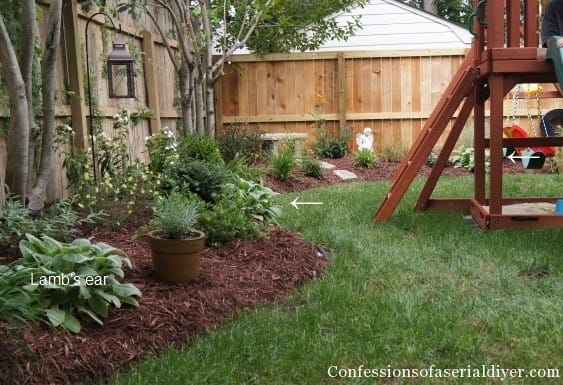
Native plants are plants that naturally grow in your area. They are adapted to the local climate and soil. Native plants need less water and care. They also attract local wildlife like birds and butterflies.
- Less Maintenance: Native plants need less fertilizer and water.
- Support Wildlife: They provide food and shelter for local animals.
- Better Growth: Native plants thrive in local soil and climate.
Visit a local nursery to find native plants. They can give advice on what plants suit your yard best.
By considering climate and picking native plants, you set your yard up for success. Happy planting!
Installing Hardscapes
Installing hardscapes in your yard can transform it into a beautiful space. Hardscapes add structure, functionality, and aesthetic appeal. They include paths, walkways, patios, and decks. These elements make your yard more accessible and enjoyable.
Paths And Walkways
Paths and walkways guide visitors through your yard. They define areas and provide safe walkways. Choose materials like stone, brick, or concrete. Each material offers different benefits.
- Stone: Natural look and durable.
- Brick: Classic appearance and versatile.
- Concrete: Affordable and customizable.
Consider adding lighting along paths. This enhances safety and beauty at night. Solar lights are eco-friendly and easy to install. Use edging to keep paths neat and tidy. Edging materials include metal, plastic, or wood.
Patios And Decks
Patios and decks extend your living space outdoors. They provide areas for dining, relaxing, and entertaining. Choose between a patio or a deck based on your needs.
| Patios | Decks |
|---|---|
| Level with the ground | Raised above ground |
| Uses stone, concrete, or pavers | Uses wood or composite materials |
| More durable in all weather | Can offer better views |
Patios are great for flat yards. They are low maintenance and durable. Decks are ideal for sloped yards. They provide elevated views and unique designs. Add furniture to make your patio or deck more functional. Consider a table, chairs, and a grill for dining. Add a pergola or umbrella for shade.
Both paths and walkways and patios and decks can enhance your yard. They add value and beauty to your home. Plan carefully and choose materials wisely.
Irrigation Solutions
Keeping your yard green needs good irrigation solutions. Proper watering helps plants grow well. Let’s explore different ways to water your garden.
Drip Systems
Drip systems are very effective. They save water by delivering it directly to plant roots. This reduces water waste and evaporation.
Here are some benefits of drip systems:
- Water-saving
- Reduces weed growth
- Minimizes soil erosion
- Easy to install
Drip systems consist of a network of tubes and emitters. These emitters release water slowly to the plants. This method is ideal for flower beds, vegetable gardens, and shrubs.
Sprinkler Systems
Sprinkler systems are another popular choice. They spray water over large areas, similar to rain. This makes them perfect for lawns and larger gardens.
Sprinkler systems can be divided into two main types:
| Type | Features |
|---|---|
| Fixed | Sprays water in a fixed pattern |
| Rotating | Sprays water in a rotating pattern |
Benefits of sprinkler systems include:
- Easy to use
- Can cover large areas
- Adjustable spray patterns
Sprinkler systems can be automated with timers. This ensures your garden gets watered even when you are away.
Lighting The Landscape
Transform your yard with the right lighting. It enhances beauty and adds security. Let’s explore key lighting techniques for your landscape. This guide covers path lighting and accent lighting.
Path Lighting
Path lighting is essential for safety and aesthetics. It helps guide visitors and illuminates walkways. Choose lights that blend with your garden style.
- Solar Path Lights: Eco-friendly and easy to install. They charge during the day and light up at night.
- Low Voltage Lights: These are safe and energy-efficient. Ideal for illuminating long pathways.
- LED Path Lights: Long-lasting and bright. They offer various design options.
Space the lights evenly for a balanced look. Avoid harsh glares by using soft, diffused lights. Highlight plants and garden features along the path.
Accent Lighting
Accent lighting adds drama to your landscape. It highlights focal points and creates ambiance. Use it to showcase trees, statues, or water features.
- Spotlights: Focus a beam of light on specific areas. Ideal for highlighting trees or architectural features.
- Floodlights: Broad beams that cover large areas. Use them to light up bigger sections of your yard.
- Up-lights: Installed at ground level. They shine light upwards to create a dramatic effect.
Position lights strategically to avoid shadows. Experiment with angles to find the best look. Consider the color temperature of the lights for the desired mood.
| Type of Light | Best For | Benefits |
|---|---|---|
| Solar Path Lights | Walkways | Eco-friendly, easy to install |
| Low Voltage Lights | Long pathways | Safe, energy-efficient |
| LED Path Lights | Various designs | Long-lasting, bright |
| Spotlights | Specific areas | Focused beam |
| Floodlights | Large areas | Broad beam |
| Up-lights | Ground level | Dramatic effect |
Lighting your landscape can be fun and rewarding. Use these tips to create a stunning night-time garden.
Maintaining Your Yard
Maintaining your yard ensures it stays beautiful and healthy. Regular upkeep is key. Learn how to keep your yard in top shape.
Pruning And Trimming
Pruning and trimming help plants grow strong. Remove dead branches often. Trim hedges to keep them neat. Use sharp tools for clean cuts. Prune trees to shape them well. Early spring is the best time. Don’t cut more than one-third of a plant. This keeps them healthy and happy.
Weed Control
Weeds steal nutrients from your plants. Control them to keep your yard clean. Pull weeds by hand. Do this after rain when the soil is soft. Use mulch to block sunlight from reaching weed seeds. Spread mulch around plants in a 2-3 inch layer.
Consider using herbicides for stubborn weeds. Choose ones safe for your plants. Follow instructions carefully. Apply them on a calm, dry day. This prevents chemicals from spreading. Keep an eye on your yard. Remove new weeds quickly to stop them from spreading.
:max_bytes(150000):strip_icc()/ga_7388cf91891f4602_spcms-b0289d2947bd4c4b93b807d7e4a19136.jpg)
Credit: www.southernliving.com
Seasonal Care
Proper seasonal care is vital for a beautiful yard. Each season requires specific tasks. These tasks help your landscape thrive. Let’s explore essential care for spring and winter.
Spring Preparation
Spring is a time of renewal. Your yard needs attention after winter. Follow these steps to prepare your yard:
- Clean up debris: Remove leaves, branches, and dead plants.
- Prune plants: Trim overgrown shrubs and trees.
- Soil preparation: Add compost and organic matter to enrich the soil.
- Mulch: Spread mulch around plants to retain moisture.
- Planting: Plant new flowers, shrubs, and trees suitable for spring.
Winter Protection
Winter can be harsh on your yard. Protecting your plants is crucial. Follow these steps to safeguard your landscape:
- Watering: Water plants deeply before the first frost.
- Mulching: Add a thick layer of mulch around plants.
- Covering plants: Use burlap or frost cloth to cover delicate plants.
- Protecting trees: Wrap tree trunks with tree wrap to prevent cracking.
- Snow removal: Gently remove snow from branches to prevent breakage.
Taking these steps ensures your yard remains healthy year-round.
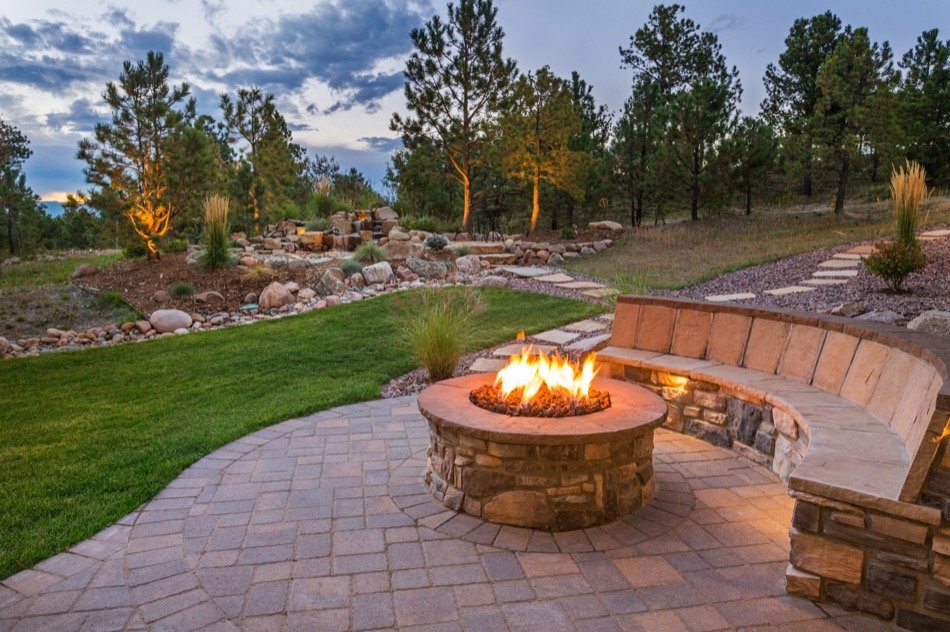
Credit: www.realestatespokane.com
Frequently Asked Questions
What Are The 7 Steps To Landscape Design?
The 7 steps to landscape design are:1. Site analysis and assessment. 2. Determine user needs and desires. 3. Create functional diagrams. 4. Develop conceptual design plans. 5. Select plants and materials. 6. Finalize design plan. 7. Implement and maintain the design.
How To Landscape A Front Yard For Beginners?
Start by planning your layout and selecting plants suitable for your climate. Use mulch and edging for neatness. Add a focal point like a tree or statue. Install a simple irrigation system for easy maintenance.
How To Start Landscaping From Scratch?
Start by planning your design and budget. Clear the area, remove weeds, and improve soil. Choose plants suited to your climate. Install hardscaping features like paths and patios. Regularly maintain your landscape.
How To Prepare A Yard For Landscaping?
Clear debris, weeds, and rocks from the yard. Test the soil and add necessary amendments. Level the ground and improve drainage. Install edging for clean boundaries. Plan and mark areas for plants, pathways, and features.
Conclusion
Transforming your yard into a beautiful landscape is rewarding. Follow the tips above to achieve stunning results. Remember, planning and creativity are key. Regular maintenance ensures your yard stays vibrant. Enjoy the process and watch your outdoor space flourish. Happy landscaping!