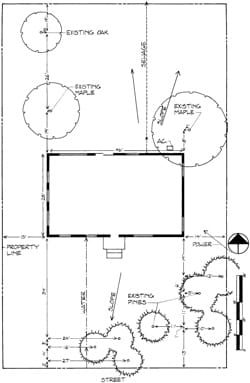
To draw landscape design, start with a rough sketch of the area. Then, add elements like plants, pathways, and structures.
Landscape design combines creativity and functionality to create beautiful outdoor spaces. A well-designed landscape enhances property value and provides a relaxing environment. Start by understanding the space, its size, shape, and existing features. Sketch a basic layout, considering factors like sunlight, soil type, and water drainage.
Incorporate elements such as trees, shrubs, flowers, and hardscapes like patios and walkways. Use colors and textures to create visual interest. Balance aesthetics with practicality, ensuring the design is both beautiful and functional. Regularly update your design to adapt to changing seasons and growth patterns.
Introduction To Landscape Design
Landscape design is the art of planning outdoor spaces. It involves arranging plants, structures, and pathways. This helps create a functional and beautiful outdoor area. Whether for a garden, park, or backyard, learning landscape design can be rewarding.
What Is Landscape Design?
Landscape design is the process of creating plans for outdoor spaces. It blends nature and culture. Professionals use plants, landforms, water features, and structures. The goal is to create an aesthetically pleasing environment.
Importance Of Landscape Design
Landscape design is important for various reasons:
- It enhances the beauty of outdoor spaces.
- It improves functionality and usability.
- It increases property value.
- It supports environmental sustainability.
By understanding these key aspects, you can start your journey in landscape design.
Gathering Inspiration
Creating a beautiful landscape design starts with gathering inspiration. This crucial step sparks creativity and helps form your unique vision. Explore different sources to find ideas that resonate with your style.
Exploring Nature
Nature is the greatest source of inspiration. Spend time in parks, forests, and gardens. Observe the colors, shapes, and textures around you. Take notes and sketch interesting elements you find.
Here are some tips to make the most of nature walks:
- Carry a notebook for quick sketches and notes.
- Take photos of beautiful scenes and details.
- Observe the light and how it changes throughout the day.
- Notice the layout of plants and natural features.
Studying Famous Landscapes
Learn from the masters by studying famous landscape designs. Look at works by renowned landscape architects and gardeners. Analyze what makes their designs stand out.
Here are some iconic landscapes to study:
| Landscape | Designer |
|---|---|
| Central Park, New York | Frederick Law Olmsted |
| Versailles Gardens, France | André Le Nôtre |
| Stourhead, England | Henry Hoare II |
Analyze their use of space, plant selection, and structural elements. Take notes on patterns and techniques that appeal to you. This practice helps refine your own ideas.
Essential Tools And Materials
Creating beautiful landscape designs requires the right tools and materials. These essentials help you bring your vision to life. This section covers the essential tools and materials for drawing landscape designs.
Drawing Tools
Having the right drawing tools is crucial for landscape design. Here’s a list of must-have items:
- Pencils: Use HB and 2B pencils for sketching.
- Erasers: A kneaded eraser is ideal for lightening lines.
- Rulers: A 12-inch ruler helps with straight lines.
- Compass: Use a compass for drawing circles and arcs.
- Protractor: A protractor helps with precise angles.
- Colored Pencils: These add color to your designs.
Reference Materials
Using reference materials can improve your landscape designs. Here are some useful resources:
- Books: Books on landscape design provide valuable tips.
- Magazines: Landscape magazines offer inspiration and trends.
- Online Resources: Websites and blogs give tutorials and examples.
- Photos: Reference photos help you understand real landscapes.
Below is a table summarizing the essential tools and materials for landscape design:
| Category | Items |
|---|---|
| Drawing Tools |
|
| Reference Materials |
|

Credit: www.reddit.com
Basic Principles Of Design
Understanding the basic principles of design is crucial for creating beautiful landscape designs. These principles guide you in arranging elements harmoniously. They ensure that your design is both functional and visually appealing. Let’s explore these principles in more detail.
Balance And Proportion
Balance in landscape design refers to an even distribution of visual weight. There are two types of balance: symmetrical and asymmetrical.
- Symmetrical Balance: Mirror image on either side of a central axis.
- Asymmetrical Balance: Different elements that have equal visual weight.
Proportion relates to the size of elements in relation to each other. It ensures that all parts of your design fit well together. For example, a large tree next to a small shrub would look disproportionate. Always aim for a harmonious relationship between elements.
Color And Texture
Color plays a vital role in setting the mood of your landscape. Use a color wheel to choose complementary colors. Consider using three main colors: primary, secondary, and accent.
| Primary Color | Secondary Color | Accent Color |
|---|---|---|
| Green | Yellow | Red |
Texture adds depth and interest to your design. Mix different textures to create a rich, layered look. Consider the texture of plants, hardscapes, and other elements.
- Smooth Texture: Calming, for paths and water features.
- Rough Texture: Adds interest, for rocks and bark.
Remember, the key to great landscape design lies in understanding and applying these basic principles effectively.
Planning Your Layout
Planning your layout is the first step in creating a stunning landscape design. This phase involves brainstorming, sketching, and detailing every aspect of your project. It’s crucial to have a clear vision before you start digging.
Sketching Rough Ideas
Start with a blank sheet of paper. Use a pencil to sketch rough ideas. This allows flexibility and creativity. Consider the natural features of your space. Identify where the sun rises and sets. Note existing trees, rocks, and slopes. Think about pathways, patios, and garden beds.
Make quick, light strokes with your pencil. Don’t worry about perfection. Focus on getting your ideas on paper. Experiment with different layouts. Play with shapes and sizes. Use these rough sketches as a guide for your detailed plan.
Creating A Detailed Plan
Once you’re happy with your rough sketches, create a detailed plan. This step requires precision. Use a ruler and graph paper. Represent each element to scale.
Here’s a simple table to help you organize your elements:
| Element | Symbol | Scale |
|---|---|---|
| Tree | Circle | 1 inch = 10 feet |
| Pathway | Dashed Line | 1 inch = 10 feet |
| Patio | Rectangle | 1 inch = 10 feet |
Include every feature from your rough sketches. Label each element clearly. Use symbols for different plants and structures. Create a legend for easy reference. Your detailed plan should be easy to read and follow. This ensures you have a clear roadmap for your project.
Here’s a quick checklist for your detailed plan:
- Label all elements
- Use consistent symbols
- Include a legend
- Ensure everything is to scale
Planning your layout with these steps will set a strong foundation for your landscape design. You’ll have a clear vision and a detailed plan to guide your project.
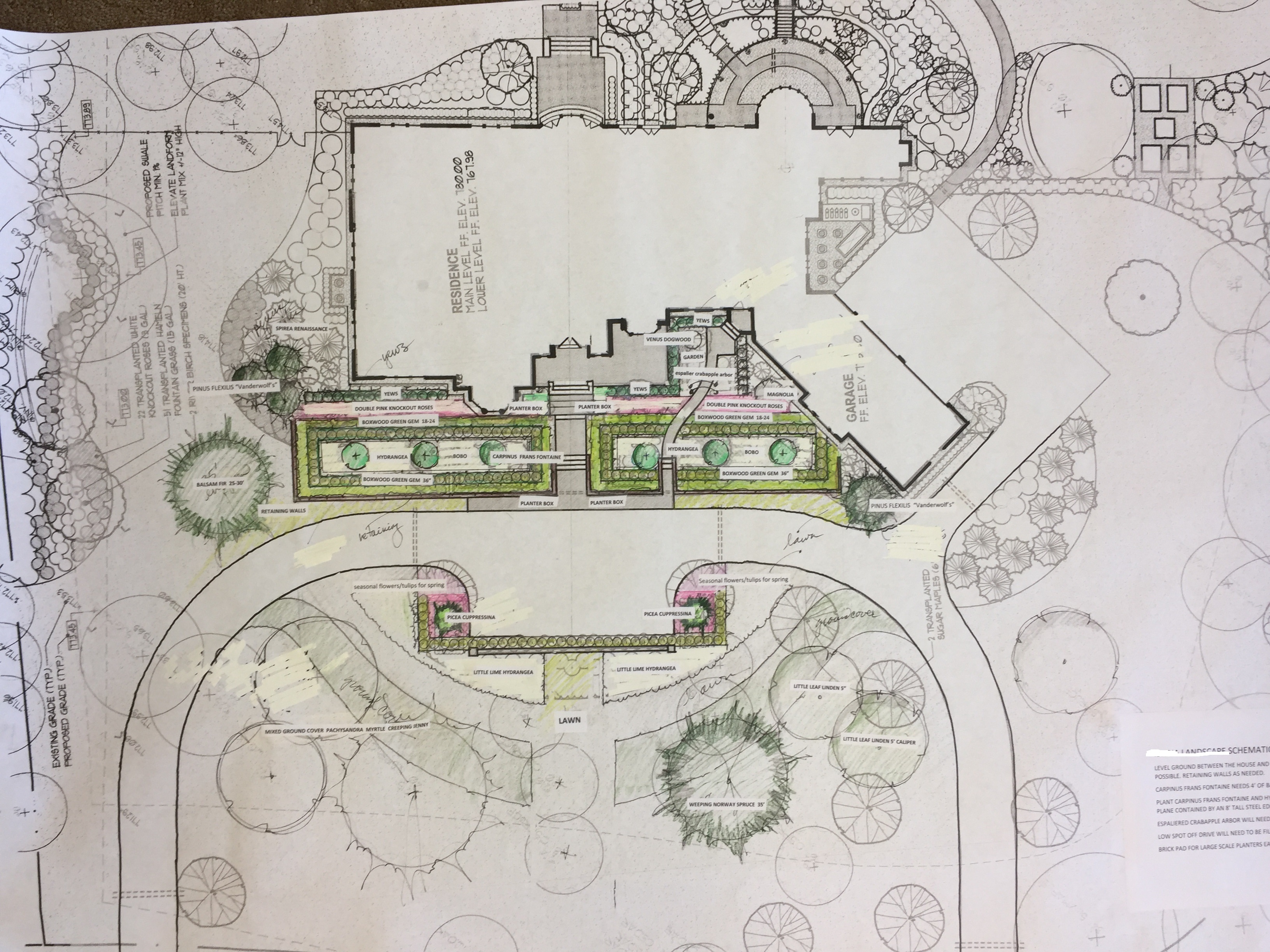
Credit: deborahsilver.com
Adding Elements To Your Design
Adding elements to your landscape design brings it to life. These elements create a beautiful and functional space. Below, we’ll explore key elements like trees, plants, water features, and paths.
Trees And Plants
Trees and plants are the backbone of any landscape design. They provide shade, beauty, and structure. Consider the following tips:
- Choose native plants: They thrive in your local climate.
- Mix heights: Use tall trees, medium shrubs, and low ground covers.
- Seasonal color: Select plants that bloom in different seasons.
- Layering: Place taller plants at the back, shorter ones in front.
Here’s an example table of plants suitable for different climates:
| Climate | Trees | Plants |
|---|---|---|
| Temperate | Maple, Oak | Roses, Tulips |
| Tropical | Palm, Banyan | Orchids, Hibiscus |
Water Features And Paths
Water features and paths add movement and direction to your design. They make the space inviting and engaging. Here are some ideas:
- Ponds: Create a peaceful, reflective area.
- Fountains: Add sound and movement with a fountain.
- Streams: A small stream can wind through your garden.
- Paths: Use stone, gravel, or wood for interesting pathways.
Consider these tips for paths:
- Width: Ensure paths are wide enough for easy walking.
- Materials: Choose materials that suit your garden’s style.
- Curves: Curved paths add a natural feel.
Water features and paths create a dynamic and enjoyable landscape. They guide visitors through your garden and enhance the overall experience.
Refining Your Drawing
Refining your landscape drawing is a crucial step. This process involves adding intricate details and enhancing textures. These elements bring your landscape to life. Let’s dive into how to refine your drawing effectively.
Adding Details
Details make your landscape more realistic. Start by adding small elements. Consider rocks, plants, and pathways. Use a fine-tip pen or pencil. This ensures precision and clarity.
- Include different types of plants and trees.
- Add texture to rocks and mountains.
- Draw pathways and trails for added depth.
Details add depth and interest. They guide the viewer’s eye across the scene. Every small element contributes to the overall picture.
Shading And Texturing
Shading and texturing bring your landscape to life. These techniques add dimension and realism. Use light and shadow effectively.
- Identify the light source: Determine where the light comes from. This helps in placing shadows correctly.
- Add shadows: Use darker shades to create shadows. This adds depth and contrast.
- Texture the surfaces: Apply different textures. Use short strokes for grass and leaves. Use stippling for rocky surfaces.
Practice various shading techniques. Cross-hatching, stippling, and blending all add unique effects. Experiment to find what works best for your landscape.
Final Touches
The final touches in your landscape design bring everything together. These steps ensure your design is polished and ready for display. Focus on the small details that can make a big impact.
Reviewing Your Work
Carefully examine your landscape design for any mistakes. Check for consistency in your lines and shapes. Ensure that all elements are in harmony.
Use a checklist to review important aspects:
- Proportion: Are all elements in proportion?
- Balance: Is the design balanced?
- Color: Do the colors complement each other?
Take your time during this review. It is crucial for a polished design.
Making Adjustments
Now, make any necessary adjustments. Start with the largest elements first. Then, move on to the smaller details.
Consider these tips:
- Adjust Lines: Smooth out any rough lines.
- Enhance Colors: Add depth to your colors.
- Refine Details: Fine-tune the small elements.
Use an eraser or a digital tool to make changes. This ensures your design remains neat.
Remember, the final touches can transform your landscape design. Pay attention to every detail. Your design will shine with these careful adjustments.
Tips And Tricks
Creating a stunning landscape design can be simple. Follow these tips and tricks to make your design shine. You will avoid common mistakes and learn from expert advice.
Common Mistakes To Avoid
- Overcrowding the Design: Keep it simple. Too many elements make it messy.
- Ignoring Scale: Always consider the size of plants and objects. It matters.
- Lack of Focal Point: Every design needs a main attraction. Choose one.
- Neglecting Color Balance: Use colors that complement each other. Avoid clashing hues.
Expert Advice
Learn from professionals. Their advice can transform your landscape design.
- Plan Before Drawing: Sketch your ideas first. It helps to visualize.
- Use Quality Tools: Good pencils and paper make a difference. Invest in them.
- Consider Seasonal Changes: Think about how plants look in different seasons. It adds variety.
- Layer Elements: Use layers to add depth. It creates a 3D effect.
| Tip | Benefit |
|---|---|
| Plan Before Drawing | Visualize ideas and avoid errors |
| Use Quality Tools | Achieve cleaner, more precise designs |
| Consider Seasonal Changes | Designs remain appealing year-round |
| Layer Elements | Adds depth and dimension |
Showcasing Your Design
After creating a beautiful landscape design, the next step is to showcase your work. This step is crucial for attracting clients and building your reputation. Here, we will focus on two key aspects: presenting to clients and creating a portfolio.
Presenting To Clients
Presenting your design to clients is an important skill. Use clear and simple language. Visual aids like drawings and models help a lot.
Follow these steps for a successful presentation:
- Introduce yourself and your design concept.
- Use visual aids like sketches or digital drawings.
- Explain the benefits of your design.
- Be ready to answer questions.
Creating A Portfolio
A portfolio is a collection of your best work. It shows your skills and creativity.
Here’s how to create a strong portfolio:
- Select your best designs.
- Include high-quality images of your work.
- Write a brief description for each design.
- Organize your portfolio in a clear and logical way.
A well-organized portfolio attracts more clients. Make sure it reflects your style and skills.
Credit: m.youtube.com
Frequently Asked Questions
How To Draw A Simple Landscape Design?
Start with a rough sketch of your yard. Add key elements like trees, paths, and flower beds. Use simple shapes. Choose a focal point, then add details like plants and decorations. Finalize with color and texture. Keep it balanced and functional.
What Are The 3 Steps Of Landscape Drawing?
The 3 steps of landscape drawing are:1. Sketch the basic shapes and outline. 2. Add details and refine the elements. 3. Shade and add texture for depth.
What Are The Rules Of Drawing A Landscape?
Follow these rules for drawing a landscape: use perspective, balance elements, choose a focal point, vary textures, and use light effectively.
How To Do Landscape Mapping?
To do landscape mapping, gather data, create a base map, identify features, and use GIS software for analysis.
Conclusion
Mastering landscape design takes practice and creativity. Follow these steps to bring your vision to life. Remember to plan, sketch, and refine your ideas. Use different tools and techniques to enhance your design. Enjoy the process and watch your landscape transform into a beautiful, functional space.
Happy designing!