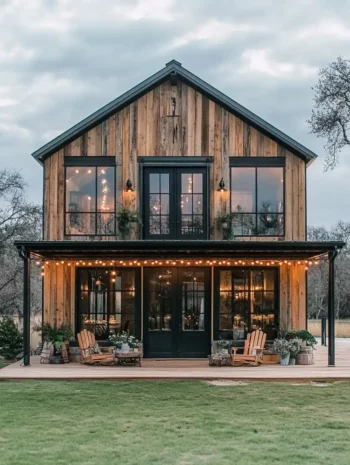
To design landscape lighting, start by planning the layout and choosing the appropriate fixtures. Focus on highlighting key features.
Landscape lighting enhances outdoor spaces by creating ambiance and improving safety. Begin by identifying focal points like trees, pathways, or architectural elements. Select fixtures that complement these areas, such as spotlights for trees or pathway lights for walkways. Use a mix of lighting techniques, including uplighting, downlighting, and accent lighting, to create depth and visual interest.
Ensure the lighting design is both functional and aesthetically pleasing. Consider energy-efficient options like LED lights to reduce costs and environmental impact. Properly designed landscape lighting can transform your outdoor area into a welcoming and beautiful space.
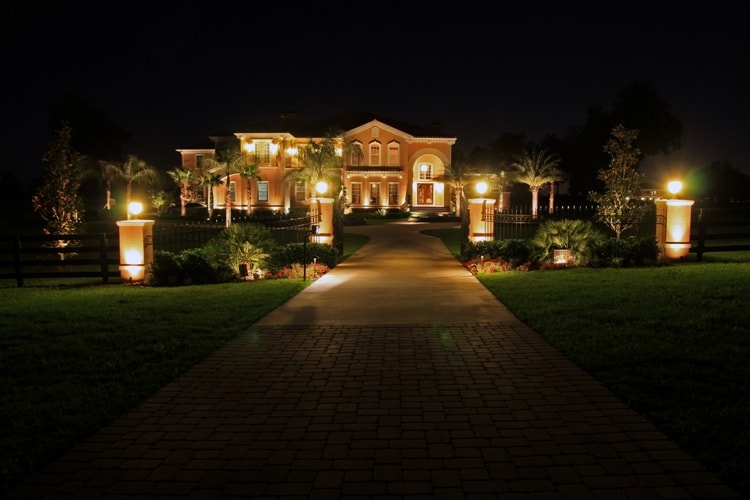
Credit: www.voltlighting.com
Introduction To Landscape Lighting
Landscape lighting transforms your outdoor space. It adds beauty, safety, and functionality to your yard. It highlights architectural features and creates a warm ambiance.
Importance Of Outdoor Lighting
Outdoor lighting enhances the appearance of your home. It makes your property look elegant and well-maintained. It also increases your home’s curb appeal.
Proper lighting improves safety by illuminating pathways and entryways. This prevents accidents and deters intruders. It also allows you to enjoy your yard at night.
Benefits Of Well-designed Lighting
- Enhanced Aesthetics: Well-placed lights highlight garden features.
- Increased Security: Bright lights deter unwanted visitors.
- Extended Usability: Enjoy outdoor spaces even after dark.
- Energy Efficiency: Modern LED lights save energy.
| Feature | Benefit |
|---|---|
| Pathway Lighting | Safety and guidance |
| Accent Lighting | Highlight key features |
| Deck Lighting | Create inviting spaces |
| Spotlights | Enhance focal points |
Use the right type of lighting for each area. This ensures your landscape is both functional and beautiful.
Planning Your Lighting Design
Designing landscape lighting can transform your outdoor space. Proper planning ensures your design is both functional and beautiful. This section will guide you through the crucial steps of planning your lighting design.
Assessing Your Space
Before you start, assess your space. Walk around your yard or garden. Identify key areas you want to highlight. Consider pathways, trees, and water features. Take note of existing lighting and dark spots.
| Area | Feature | Lighting Type |
|---|---|---|
| Pathways | Walkways | Path lights |
| Garden | Plants | Spotlights |
| Deck | Seating Area | String lights |
Setting Your Goals
Next, set your goals. What do you want to achieve with your lighting? Do you want to enhance safety, create ambiance, or highlight features?
- Safety: Illuminate pathways and steps.
- Ambiance: Use soft, warm lights for a cozy feel.
- Highlighting: Use spotlights for trees and sculptures.
Consider using a mix of lighting types. Combine path lights, spotlights, and string lights for a balanced look. Remember to choose weather-resistant fixtures. This ensures they last longer.
Finally, create a sketch of your space. Mark where each light will go. This helps visualize the final design. Planning your lighting design carefully ensures a stunning outdoor space.
Choosing The Right Fixtures
Choosing the right fixtures for landscape lighting is crucial. It impacts the beauty and functionality of your outdoor space. The right fixtures can highlight features and create a magical atmosphere.
Types Of Fixtures
There are various types of fixtures to consider for landscape lighting. Each type serves a unique purpose. Below is a table to help you understand the common types:
| Fixture Type | Description |
|---|---|
| Path Lights | Illuminate walkways and garden paths. |
| Spotlights | Highlight specific features like trees or statues. |
| Floodlights | Provide broad illumination for large areas. |
| Wall Wash Lights | Create a soft, even light on walls. |
| Deck Lights | Installed on decks to enhance safety and aesthetics. |
Energy-efficient Options
Energy-efficient fixtures are essential for sustainable landscape lighting. They reduce electricity use and save on costs. Here are some energy-efficient options:
- LED Lights: Use less energy and last longer than traditional bulbs.
- Solar Lights: Powered by the sun, ideal for eco-friendly setups.
- Low Voltage Lights: Safe and consume less power.
Choosing energy-efficient fixtures can also reduce your carbon footprint. It’s a win-win for your wallet and the planet!
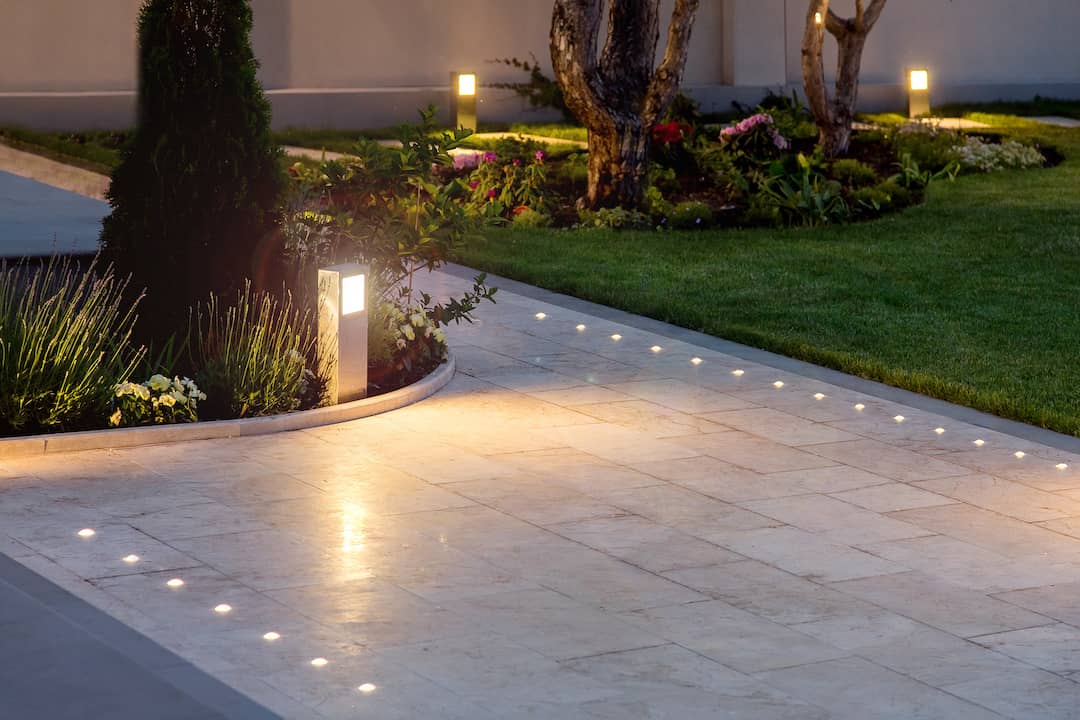
Credit: www.environmentaldesigns.com
Placement Strategies
Designing landscape lighting involves strategic placement to enhance outdoor spaces. Proper placement makes features stand out and creates a welcoming ambiance. Explore these strategies for effective landscape lighting.
Highlighting Key Features
Emphasize important elements in your yard. Use lights to draw attention to trees, statues, or architectural details. Position lights at the base of these features to create upward shadows. This technique adds depth and drama to your landscape. For pathways, use lights to ensure safety and guide guests.
| Feature | Lighting Technique |
|---|---|
| Trees | Uplighting |
| Pathways | Downlighting |
| Statues | Spotlighting |
Creating Ambiance
Ambiance is crucial for outdoor settings. Soft, warm lights foster a cozy environment. Place lights under shrubs or along garden beds. This creates a gentle glow without harsh shadows. Use string lights for a magical effect. Drape them over pergolas or across patios to enhance the mood.
- Warm lights create a welcoming atmosphere.
- String lights add a whimsical touch.
- Under-shrub lights produce a soft, diffused glow.
Use these strategies to design a stunning and functional outdoor space. Proper lighting placement highlights key features and creates a pleasant ambiance.
Installing Your Lighting
Installing your landscape lighting can transform your outdoor space. Follow these steps for a professional look.
Safety Precautions
Before starting, ensure safety first. Turn off all power sources. Wear protective gloves and goggles.
- Check local codes: Verify local electrical codes for compliance.
- Inspect materials: Examine wires and fixtures for any damage.
- Use GFCI outlets: Install Ground Fault Circuit Interrupter outlets for safety.
Wiring And Connections
Proper wiring is crucial for effective landscape lighting. Follow these steps carefully.
- Plan the layout: Sketch a plan for your lighting design.
- Run wires: Use waterproof wire connectors for outdoor use.
- Connect fixtures: Securely attach fixtures to the wiring system.
| Step | Action |
|---|---|
| 1 | Measure and cut wires to the desired length. |
| 2 | Strip the ends of the wires for connections. |
| 3 | Connect wires using waterproof connectors. |
| 4 | Test connections before burying wires. |
For better results, use a low-voltage transformer. It reduces the risk of electric shocks.
Maintaining Your Lighting
Proper maintenance of your landscape lighting ensures longevity and functionality. Regular upkeep prevents issues and keeps your outdoor space looking beautiful.
Routine Checks
Performing routine checks is essential for maintaining your landscape lighting. Inspect your lights monthly to ensure they are working correctly.
- Check for burnt-out bulbs and replace them promptly.
- Clean the light fixtures to remove dirt and debris.
- Inspect the wiring for any signs of wear or damage.
- Ensure the fixtures are securely mounted and not tilted.
Troubleshooting Common Issues
Even with regular maintenance, issues can arise. Knowing how to troubleshoot common problems can save you time and money.
-
Flickering Lights:
- Check for loose bulbs and tighten them.
- Inspect the wiring for loose connections.
- Ensure the power source is stable.
-
Dim Lights:
- Clean the fixtures to ensure maximum brightness.
- Replace old bulbs with new ones.
- Check the transformer for proper voltage output.
-
Lights Not Turning On:
- Ensure the timer is set correctly.
- Check the power source and reset if necessary.
- Inspect the wiring for any disconnections.
Consistent maintenance and quick troubleshooting keep your landscape lighting in top shape. This ensures a beautiful and well-lit outdoor space.
Enhancing Security
Landscape lighting plays a crucial role in enhancing security around your home. Proper lighting deters unwanted visitors and ensures safe pathways. Let’s explore how you can use lighting to boost security.
Motion Sensors
Motion sensors are essential for security. They detect movement and activate the lights instantly. This sudden lighting can scare off intruders. It also alerts you to any activity outside. Motion sensors are easy to install and use. Place them near entry points, like doors and windows. This ensures these areas are well-lit when needed.
Timers And Automation
Using timers and automation ensures your lights turn on and off at set times. This gives the appearance that someone is home, even if you’re not. Automated lighting systems can be controlled via apps. This allows you to manage your lights remotely. Consistent lighting schedules enhance security and convenience.
| Security Feature | Benefit |
|---|---|
| Motion Sensors | Instant lighting on detecting movement |
| Timers | Scheduled lighting for consistent security |
| Automation | Remote control of lighting |
Using these features, you can enhance the security of your home. Well-lit exteriors deter intruders and ensure safety. Invest in quality landscape lighting for peace of mind.
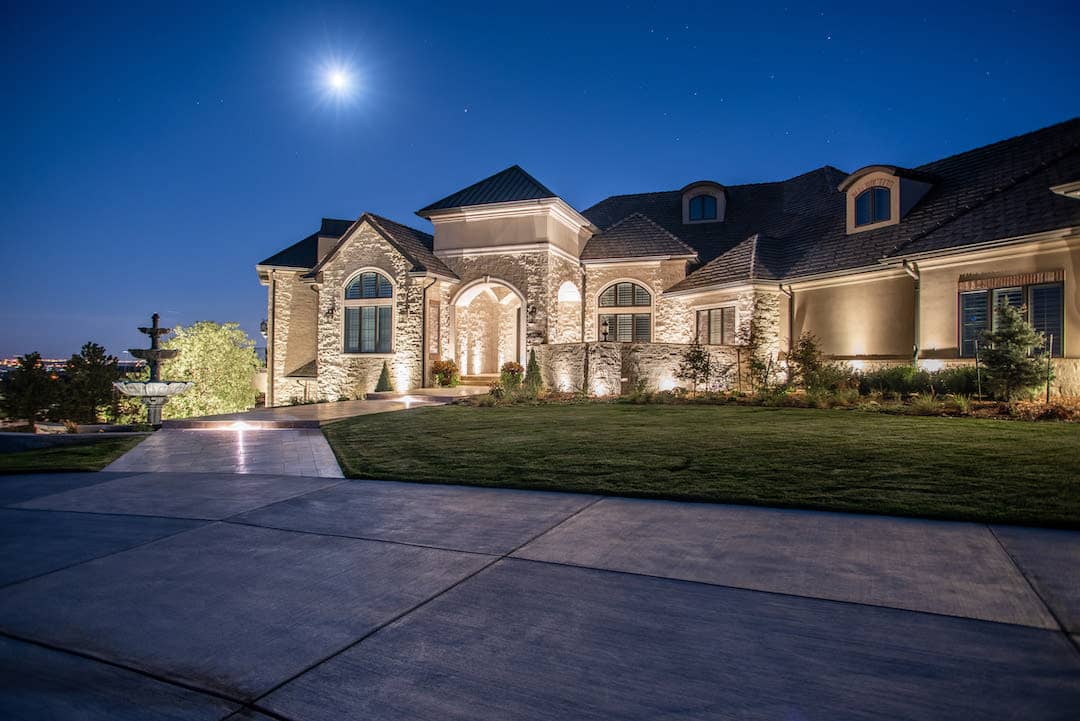
Credit: www.environmentaldesigns.com
Eco-friendly Lighting Solutions
Designing landscape lighting with eco-friendly solutions helps protect our planet. These solutions also reduce energy costs and enhance your garden’s beauty. Let’s explore some effective options.
Solar-powered Options
Solar-powered lights use the sun’s energy to illuminate your garden. They are a great choice for eco-friendly lighting.
- Solar path lights: These lights are perfect for pathways.
- Solar spotlights: Highlight trees and garden features.
- Solar string lights: Add a magical touch to outdoor spaces.
Solar-powered lights are easy to install. They do not need wiring or electricity. Place them in sunny spots for best results.
Sustainable Practices
Sustainable practices help reduce the environmental impact of lighting.
- Use LED bulbs: They use less energy and last longer.
- Timers and sensors: Ensure lights are only on when needed.
- Recycled materials: Choose fixtures made from recycled materials.
LED bulbs are an excellent choice. They consume up to 80% less energy compared to traditional bulbs. Timers and sensors help automate your lighting system. This reduces unnecessary energy consumption.
| Practice | Benefit |
|---|---|
| Use LED Bulbs | Energy-efficient and long-lasting |
| Timers and Sensors | Automate lighting to save energy |
| Recycled Materials | Reduce waste and support recycling |
Choose recycled materials for your lighting fixtures. This supports sustainability and reduces waste. Together, these practices make your garden lighting more eco-friendly.
Frequently Asked Questions
How To Design Your Own Landscape Lighting?
Start by assessing your outdoor space. Plan key areas to illuminate. Choose energy-efficient LED lights. Install fixtures strategically for balance. Test and adjust as needed.
What Are The Rules Of Thumb For Landscape Lighting?
Use LED lights for energy efficiency. Highlight focal points like trees and statues. Avoid over-lighting; less is more. Ensure fixtures are weather-resistant. Space lights evenly for balanced illumination.
How Do You Calculate Landscape Lighting?
Calculate landscape lighting by assessing the area, selecting appropriate fixtures, and considering wattage and beam spread. Use a lighting calculator for accuracy.
How Do You Create A Lighting Design Plan?
Start by analyzing the space and determining lighting needs. Choose appropriate fixtures, create a layout, and ensure proper placement. Adjust for ambiance and functionality.
Conclusion
Designing landscape lighting enhances your outdoor space beautifully. Follow these tips for functional and aesthetic results. Experiment with different lighting techniques. Remember to plan carefully and consider energy-efficient options. With thoughtful design, your landscape lighting can transform your garden into a stunning, inviting space.
Enjoy the ambiance and safety it brings to your home.