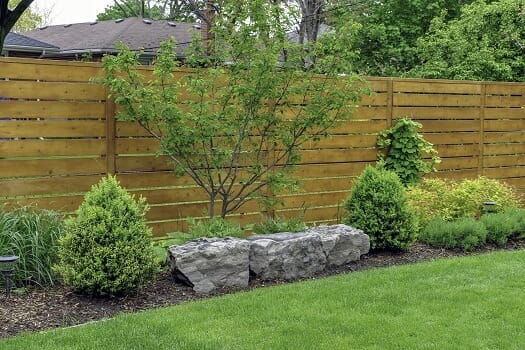
Landscape rock should typically be 2 to 3 inches deep. This depth provides adequate coverage and weed control.
Landscape rock enhances the aesthetic appeal of gardens and yards. It offers numerous benefits, such as reducing soil erosion and conserving moisture. Selecting the right depth is crucial for achieving the desired look and functionality. A 2 to 3-inch layer ensures proper coverage while minimizing weed growth.
This depth also provides stability and prevents the rocks from shifting. Choosing the appropriate type and size of rock also matters. Smaller rocks might require a slightly thicker layer for complete coverage. Proper preparation and installation are key to maximizing the benefits of landscape rock. Make sure to compact the soil and use landscape fabric for best results.

Credit: www.fixr.com
Choosing The Right Depth
Picking the right depth for landscape rock is crucial. It impacts the look and function of your garden. The right depth ensures proper coverage and weed control. It also helps with drainage and maintenance.
Factors To Consider
- Purpose: Are you using rocks for decoration or weed control?
- Rock Size: Larger rocks need more depth.
- Plant Type: Some plants need more soil space.
- Drainage: Proper depth helps with water flow.
- Maintenance: Thicker layers reduce weed growth.
Common Depth Recommendations
| Rock Type | Recommended Depth |
|---|---|
| Pea Gravel | 2-3 inches |
| River Rock | 3-4 inches |
| Crushed Stone | 2-4 inches |
| Lava Rock | 1-2 inches |
For small decorative rocks, 2-3 inches is often enough. This depth covers the soil and adds visual appeal. For larger rocks like river rocks, aim for 3-4 inches. This depth supports their weight and ensures stability.
If using crushed stone, a depth of 2-4 inches works well. It provides good coverage and helps with drainage. For lava rock, a thinner layer of 1-2 inches is ideal. This keeps the area light and airy.
Types Of Landscape Rock
Understanding the types of landscape rock is essential for any gardening project. Different rocks serve various purposes and add unique aesthetics to your landscape. In this section, we explore three popular types: Gravel, River Rock, and Lava Rock.
Gravel
Gravel is a versatile and cost-effective option. It is perfect for paths and driveways. Gravel comes in many sizes and colors. You can choose from pea gravel, crushed stone, or decomposed granite. Each type has its own look and feel. Gravel is easy to install and maintain.
- Pea Gravel: Small, smooth stones, great for walkways.
- Crushed Stone: Sharp-edged rocks, good for driveways.
- Decomposed Granite: Fine particles, ideal for garden paths.
River Rock
River rock provides a natural look to any garden. These rocks are smooth and round. They are often used in water features and dry creek beds. River rock comes in various sizes and colors. It is excellent for creating a serene landscape. You can also use them as mulch.
| Type | Size | Use |
|---|---|---|
| Small River Rocks | 1-3 inches | Mulch, small water features |
| Medium River Rocks | 3-6 inches | Dry creek beds, larger water features |
| Large River Rocks | 6+ inches | Accent pieces, garden borders |
Lava Rock
Lava rock adds a bold look to landscapes. These rocks come from volcanic activity. Lava rocks are lightweight and porous. They are available in red, black, and gray. Use lava rock in flower beds and around trees. They also work well in xeriscaping. Lava rock helps with drainage and reduces weed growth.
- Red Lava Rock: Eye-catching and vibrant.
- Black Lava Rock: Modern and sleek.
- Gray Lava Rock: Subtle and natural.
Benefits Of Proper Depth
Setting the right depth for landscape rocks brings numerous benefits. It enhances your garden’s beauty and functionality. Let’s explore these benefits in detail.
Weed Control
Landscape rocks help control weeds effectively. A depth of 2-3 inches is ideal. This depth blocks sunlight, preventing weed growth. Fewer weeds make garden maintenance easier and quicker.
Moisture Retention
Proper depth of rocks helps retain soil moisture. A depth of 2-3 inches works best. Rocks reduce evaporation, keeping soil moist longer. Plants stay hydrated and grow healthier.
Aesthetic Appeal
Landscape rocks enhance your garden’s visual appeal. The right depth creates a neat and polished look. A depth of 2-3 inches provides a balanced appearance. Your garden looks well-maintained and attractive.
Calculating The Amount Needed
Calculating the amount of landscape rock needed is crucial for any project. Having the correct amount saves time, effort, and money. This section will guide you through the steps to determine how much rock you need.
Area Measurement
First, measure the area where you plan to place the landscape rock. Use a measuring tape to get the length and width of the area.
Multiply the length by the width to find the area in square feet.
| Length (ft) | Width (ft) | Area (sq ft) |
|---|---|---|
| 10 | 5 | 50 |
Depth Calculation
Next, determine the depth of the rock layer. Common depths range from 2 to 3 inches.
Convert the depth from inches to feet by dividing by 12.
For a 2-inch depth, the calculation is:
2 inches / 12 = 0.17 feetNow, multiply the area by the depth to find the volume in cubic feet.
For example:
50 sq ft 0.17 ft = 8.5 cubic feetMost landscape rock is sold by the cubic yard. Convert cubic feet to cubic yards by dividing by 27.
8.5 cubic feet / 27 = 0.31 cubic yardsFinally, round up to the nearest whole number to ensure you have enough material.
In this example, you would need approximately 1 cubic yard of rock.
Installation Tips
Proper installation of landscape rocks enhances your garden’s beauty and functionality. Follow these installation tips to ensure long-lasting and visually pleasing results.
Ground Preparation
Preparing the ground is essential for a successful landscape rock installation. Follow these steps:
- Clear the Area: Remove weeds, grass, and debris.
- Level the Surface: Use a rake to make the ground even.
- Apply Weed Barrier: Lay a weed barrier fabric to prevent weed growth.
Layering Techniques
Proper layering ensures stability and aesthetics. Follow these guidelines:
- Base Layer: Start with a layer of coarse sand or gravel.
- Depth: Make the base layer 2-3 inches deep for stability.
- Rock Layer: Add your landscape rock on top of the base layer.
- Depth: The rock layer should be 3-4 inches deep.
| Layer | Material | Depth |
|---|---|---|
| Base Layer | Coarse Sand or Gravel | 2-3 inches |
| Rock Layer | Landscape Rock | 3-4 inches |
Remember, proper preparation and layering are key for a long-lasting, beautiful landscape.
Maintenance Considerations
Maintaining the optimal depth of landscape rock enhances its appearance and functionality. Proper maintenance helps keep your landscape looking neat and well-organized. Below, we explore some key maintenance considerations.
Regular Cleaning
Regular cleaning is essential to keep landscape rocks looking fresh. Debris, leaves, and dirt can accumulate on the surface. Removing these items regularly prevents the rocks from looking dull. Use a garden rake or blower to clear the area. This simple task can make a big difference in appearance.
Depth Adjustment
Over time, the depth of your landscape rock may change. Rocks can settle or shift, creating uneven surfaces. Adjusting the depth ensures consistent coverage and maintains the desired aesthetic. Here are some steps to adjust the depth:
- Inspect the area for low spots or uneven sections.
- Add or remove rocks to achieve a uniform depth.
- Use a rake to spread the rocks evenly.
A consistent depth of 2-3 inches is often ideal. This depth helps with weed control and moisture retention.
| Task | Frequency | Tools Needed |
|---|---|---|
| Debris Removal | Weekly | Rake, Blower |
| Depth Adjustment | Monthly | Rake |
Maintaining landscape rock requires regular attention. Consistent care ensures your landscape remains beautiful and functional.
Common Mistakes
When laying landscape rock, people often make common mistakes. These mistakes can cause problems like poor drainage or plant damage. To avoid these issues, knowing the right depth is crucial.
Overloading
Many people think more rock is better. This is not true. Overloading can cause rocks to shift or sink. When rocks are too heavy, plants may not grow well. The roots may struggle to get air and water.
Here are some issues caused by overloading:
- Poor drainage
- Plant roots suffocating
- Uneven surfaces
Inadequate Depth
Using too few rocks is another mistake. Inadequate depth means the landscape will not look good. It also fails to prevent weeds from growing. Weeds can push through thin layers of rock easily.
Problems with inadequate depth include:
- Increased weed growth
- Poor aesthetic appeal
- Reduced protection for plant roots
To ensure the best results, follow these depth guidelines:
| Purpose | Recommended Depth |
|---|---|
| General Landscaping | 2-3 inches |
| Weed Control | 3-4 inches |
| Heavy Traffic Areas | 4-5 inches |
Avoid common mistakes to keep your landscape looking great. Use the right amount of rock and ensure proper depth for a healthy garden.
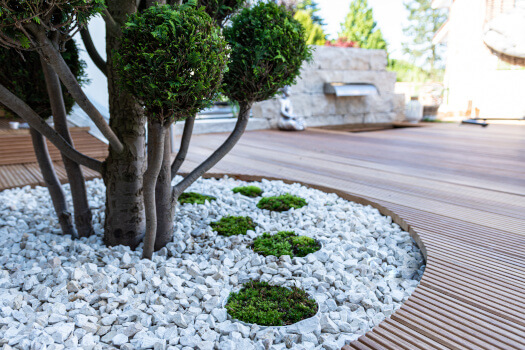
Credit: rockstoneandpebble.com
Cost Implications
Understanding the cost implications of landscape rock depth is crucial. It helps in planning and budgeting for your landscape project. This section will break down the costs into two main categories: Material Costs and Labor Costs.
Material Costs
The depth of landscape rock affects the total material required. The deeper the rock layer, the more material you will need. Here is a simple table to show the relationship between depth and material costs:
| Depth (inches) | Material Cost per Square Foot ($) |
|---|---|
| 1 inch | 1.50 |
| 2 inches | 3.00 |
| 3 inches | 4.50 |
As seen, increasing the depth from 1 inch to 3 inches triples the cost. This can quickly add up for larger areas.
Labor Costs
Labor costs also rise with the depth of landscape rock. Deeper layers require more effort and time to install. Here are some factors influencing labor costs:
- Preparation of the ground
- Transporting the rock
- Spreading and leveling the rock
More depth means more effort in these areas. This can significantly increase overall labor costs. Here is an example of labor costs based on depth:
| Depth (inches) | Labor Cost per Square Foot ($) |
|---|---|
| 1 inch | 1.00 |
| 2 inches | 2.00 |
| 3 inches | 3.00 |
Labor costs double from 1 inch to 2 inches. They triple when the depth reaches 3 inches.
To save on costs, you might consider balancing between material and labor costs. Choosing an optimal depth that meets your needs without unnecessary expenses can be beneficial.

Credit: www.delikinginc.com
Frequently Asked Questions
Do You Put Anything Under Landscape Rocks?
Yes, use landscape fabric or weed barrier under landscape rocks. It prevents weed growth and improves drainage.
What Size Rock Is Best For Landscaping?
The best rock size for landscaping is 1-2 inches. These rocks balance aesthetics and functionality, providing stability and drainage.
How Deep Should Rocks Be For Drainage?
Rocks for drainage should be 3 to 6 inches deep. This depth ensures proper water flow and prevents pooling.
How Deep Should Decorative Stone Be?
Decorative stone should be 2-3 inches deep for pathways and 3-4 inches deep for garden beds. This ensures proper coverage and weed prevention.
Conclusion
Choosing the right depth for landscape rock enhances both aesthetics and functionality. Proper depth ensures plant health and effective weed control. Balance aesthetics and practicality for the best results. With careful planning, your landscape will thrive beautifully. Remember, the right depth is key to a stunning and low-maintenance garden.