To landscape a slope, assess the gradient and soil type, then choose erosion-resistant plants. Incorporate terracing for stability and aesthetics.
Landscaping a slope can be challenging but rewarding. It requires careful planning and the right techniques to prevent erosion. Start by analyzing the slope’s steepness and soil condition. Choose plants that thrive in such environments and help hold the soil together.
Terracing can create flat areas for planting and reduce water runoff. Mulch and ground covers also play a crucial role in maintaining soil stability. With the right approach, a sloped garden can become a beautiful and functional part of your landscape. Proper planning and execution ensure the slope remains both attractive and sustainable over time.
Assessing The Slope
Before landscaping a slope, it’s essential to assess it properly. This helps in planning and ensures the best results. Two key steps in this process are determining the gradient and identifying the soil type.
Determine The Gradient
First, measure the slope’s gradient. This tells you how steep the slope is. Use a tape measure and a level to get accurate readings.
- Find the horizontal distance: Measure from the top to the bottom of the slope.
- Measure the vertical drop: Use a level to measure the height difference.
- Calculate the gradient: Divide the vertical drop by the horizontal distance.
For example, if the vertical drop is 3 feet and the horizontal distance is 10 feet, the gradient is 3/10 or 30%. This percentage helps in choosing suitable plants and materials.
Identify Soil Type
Knowing the soil type is crucial for landscaping. Different soils have different properties that affect plant growth.
- Clay soil: Holds water but drains slowly.
- Sandy soil: Drains quickly but doesn’t hold nutrients well.
- Loamy soil: A mix of sand, silt, and clay. It’s ideal for most plants.
To identify soil type, take a sample from the slope. Wet the soil and roll it into a ball. If it crumbles easily, it’s sandy. If it stays in a ball, it’s clay. If it’s somewhere in between, it’s loam.
Understanding the soil type helps in selecting the right plants and designing a sustainable landscape.
:strip_icc()/101060548-a7992b94182a40869553175b60fee2ba.jpg)
Credit: www.bhg.com
Planning The Design
Planning the design of your slope is crucial. A well-thought-out plan ensures a beautiful and functional landscape. This section will guide you through the initial steps.
Sketch Your Ideas
Start by sketching your ideas on paper. Visualizing your design helps. Use simple drawings. Include all elements like plants, rocks, and pathways.
- Draw the slope from different angles.
- Mark areas for specific features.
- Consider the sun’s position.
Keep your sketch handy. It will guide you during the landscaping process.
Consider Erosion Control
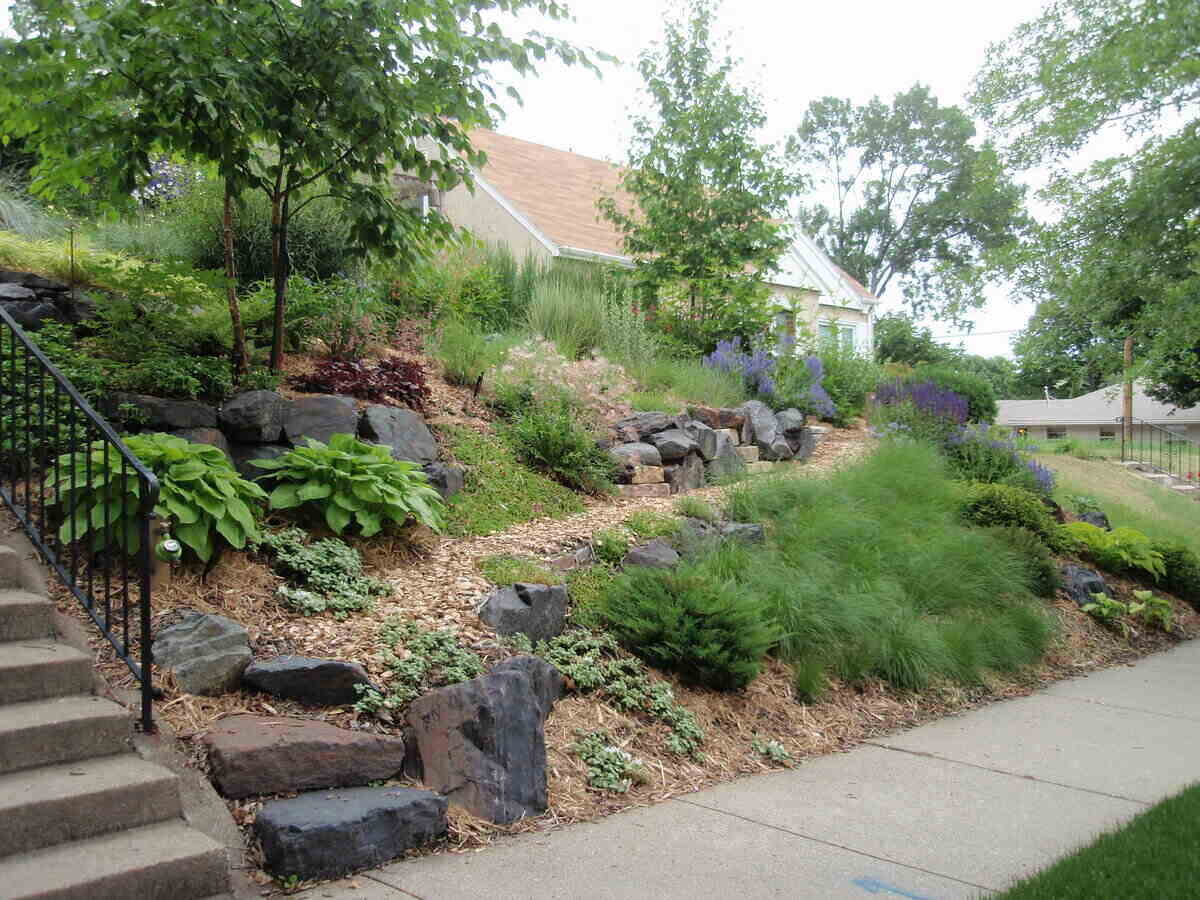
Erosion control is vital on slopes. It prevents soil from washing away. Use methods like:
- Planting ground covers.
- Installing retaining walls.
- Using mulch or gravel.
These methods help stabilize the soil. They also add beauty to your landscape.
| Erosion Control Method | Benefits |
|---|---|
| Ground Covers | Prevents soil erosion and adds greenery. |
| Retaining Walls | Provides structure and stability. |
| Mulch or Gravel | Reduces runoff and maintains moisture. |
Choosing The Right Plants
Landscaping a slope requires careful selection of plants. The right plants prevent erosion and enhance beauty. This section will guide you on how to choose the best plants for your slope.
Select Native Species
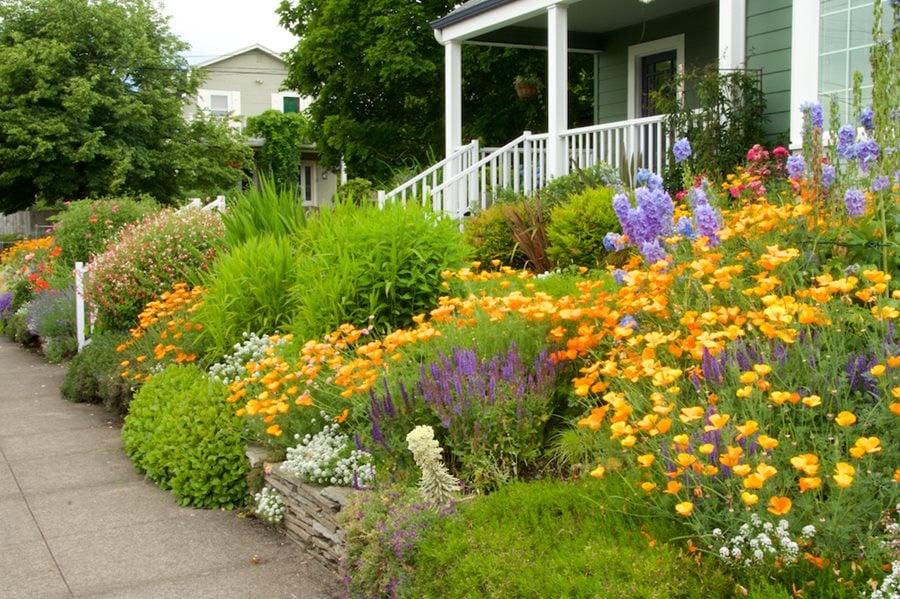
Native species are adapted to the local climate and soil. They require less water and maintenance. Native plants also support local wildlife.
Here are some benefits of choosing native species:
- They are drought-resistant.
- They thrive in local soil conditions.
- They attract beneficial insects and birds.
Some examples of native plants:
| Region | Native Plants |
|---|---|
| Eastern USA | Black-eyed Susan, Eastern Redbud |
| Western USA | California Poppy, Western Red Cedar |
Opt For Deep-rooted Plants
Deep-rooted plants anchor the soil. They prevent erosion and hold the slope together. Deep roots also help the plant access water during dry periods.
Here are some benefits of deep-rooted plants:
- They stabilize the slope.
- They reduce soil erosion.
- They improve water infiltration.
Some examples of deep-rooted plants:
- Switchgrass
- Indian Grass
- Prairie Dropseed
These plants are ideal for slopes. They will keep your landscape healthy and beautiful.
Credit: www.gardendesign.com
Creating Terraces
Transforming a slope into a beautiful landscape can be challenging. One effective solution is creating terraces. Terraces turn steep slopes into usable garden spaces. They prevent soil erosion and create flat planting areas. Let’s explore how to build terraces on a slope.
Build Retaining Walls
Retaining walls are essential for creating terraces. They hold back soil and prevent erosion. Use materials like stone, wood, or concrete blocks. Follow these steps:
- Plan the layout of your terraces.
- Excavate the soil where the wall will sit.
- Lay a base of gravel for drainage.
- Stack the materials to form the wall.
- Backfill with soil as you build up the wall.
Ensure each wall is level and sturdy. The height of the walls should not exceed four feet. For higher walls, consider consulting a professional. Proper drainage is crucial to avoid water pressure buildup.
Install Steps Or Pathways
Steps or pathways make terraces accessible and functional. They connect different levels of your terraced slope. Follow these steps:
- Decide the location and direction of the steps.
- Excavate the soil to create a base for each step.
- Use materials like stone, wood, or concrete pavers.
- Ensure each step is even and stable.
- Fill gaps between steps with gravel for drainage.
Pathways can be winding or straight. Use stepping stones or gravel paths to create a natural look. Adding handrails can enhance safety.
| Materials | Pros | Cons |
|---|---|---|
| Stone | Durable, natural look | Heavy, expensive |
| Wood | Affordable, easy to work with | Prone to rot, needs maintenance |
| Concrete Blocks | Strong, versatile | Less aesthetic appeal |
Terraced gardens can transform your slope into a functional and beautiful space. By building retaining walls and installing steps or pathways, you create a sustainable landscape. Happy landscaping!
Implementing Ground Cover
Implementing ground cover is crucial for landscaping a slope. It helps control erosion and adds beauty. Ground cover protects soil from heavy rains and reduces weeds.
Use Mulch Or Gravel
Mulch is a great option for covering the ground. It retains moisture and keeps soil cool. Mulch also enriches the soil as it decomposes.
Gravel is another excellent ground cover. It provides a clean, modern look. Gravel is low maintenance and prevents weed growth. It also helps with drainage during heavy rains.
| Material | Benefits |
|---|---|
| Mulch | Retains moisture, enriches soil, controls erosion |
| Gravel | Low maintenance, prevents weeds, improves drainage |
Plant Groundcover Plants
Planting groundcover plants is another effective method. These plants spread quickly and cover large areas. They hold soil in place and prevent erosion.
Consider the following plants for your slope:
- Ivy: Grows quickly and requires little care.
- Periwinkle: Beautiful flowers and dense foliage.
- Juniper: Tough and drought-resistant.
Follow these steps to plant groundcover plants:
- Choose plants suited for your climate.
- Prepare the soil by removing weeds and rocks.
- Plant them in staggered rows.
- Water regularly until they establish roots.
Implementing ground cover is essential for a healthy slope. Use mulch, gravel, or plants to achieve the best results.
:max_bytes(150000):strip_icc()/SyndeyEddison036-5acbc04c18ba01003761532b.jpg)
Credit: www.thespruce.com
Installing Irrigation
Proper irrigation is essential for maintaining a healthy landscape on a slope. Watering on a slope requires careful planning. Installing an irrigation system ensures plants receive adequate water. This reduces erosion and promotes lush growth.
Choose Drip Systems
Drip systems are ideal for slopes. They deliver water directly to plant roots. This minimizes runoff and evaporation. Drip emitters provide consistent moisture without water waste. Look for systems with adjustable emitters. These allow you to control the water flow.
- Emitters: Choose from different flow rates.
- Tubing: Use durable, UV-resistant tubing.
- Filters: Prevent clogs with good quality filters.
Drip systems are easy to install. They require minimal maintenance. This makes them perfect for sloped gardens.
Set Up A Watering Schedule
Setting up a watering schedule is crucial. It ensures plants get the right amount of water. Automatic timers can make this task easier. They help to water plants at the best times of day.
- Water early in the morning.
- Avoid watering in the heat of the day.
- Water deeply but less frequently.
The soil on slopes dries out faster. Adjust the watering schedule during hot and dry periods. Monitor plant health regularly. This ensures your irrigation system is working effectively.
Adding Decorative Elements
Adding decorative elements to a sloped landscape can transform it into a visual masterpiece. These elements not only add beauty but also serve practical purposes. Below are some creative ideas to enhance your sloped garden.
Include Garden Art
Garden art can bring personality to your sloped landscape. Choose pieces that reflect your style. Sculptures, wind chimes, and bird baths are great choices.
- Sculptures: Place them strategically for maximum visual impact.
- Wind chimes: Hang them from trees for soothing sounds.
- Bird baths: Attract wildlife and add charm.
Choose weather-resistant materials for longevity. Consider color and size to match your garden theme.
Add Lighting
Proper lighting can highlight your garden’s features. It also adds safety during the night. Use a mix of solar lights and LED fixtures.
| Type | Purpose |
|---|---|
| Solar Lights | Eco-friendly and cost-effective |
| LED Fixtures | Long-lasting and bright |
- Pathway Lights: Illuminate walking paths to prevent tripping.
- Accent Lights: Highlight specific garden features.
- Spotlights: Focus on large trees or sculptures.
Place lights at different heights for a dynamic look. Ensure they are weather-resistant for durability.
Maintaining The Landscape
Maintaining your slope landscape ensures its beauty and longevity. Regular care keeps plants healthy and prevents erosion. This section covers key tasks to keep your slope in top shape.
Regular Pruning
Regular pruning helps plants grow in the right direction. It prevents overgrowth and keeps the landscape tidy. Prune dead or diseased branches to boost plant health.
Use sharp tools for clean cuts. This reduces plant stress and helps healing. Pruning also shapes plants and encourages new growth.
- Prune in early spring or late winter.
- Remove dead or damaged branches first.
- Trim back overgrown areas to maintain shape.
Monitor For Erosion
Slopes are prone to erosion, which can damage your landscape. Regularly check the soil and plants for signs of erosion. Look for exposed roots or washed-out soil.
Install erosion control measures like retaining walls or ground covers. These stabilize the soil and prevent it from washing away.
| Signs of Erosion | Preventive Measures |
|---|---|
| Exposed roots | Plant ground covers |
| Washed-out soil | Install retaining walls |
| Gullies or channels | Add mulch or gravel |
Check your slope after heavy rains. Repair any damage quickly to prevent further issues. Proper maintenance keeps your slope safe and beautiful.
Frequently Asked Questions
What Is The Best Landscaping For Slopes?
Terracing is ideal for slopes, preventing soil erosion and providing flat planting areas. Use native plants for stability and low maintenance.
How To Make A Slope Landscape?
To make a slope landscape, start by assessing the terrain. Create terraces or retaining walls for stability. Use erosion-control plants. Ensure proper drainage. Add mulch to prevent soil erosion.
How Do You Landscape A Sloped Yard On A Budget?
Plant ground covers and use mulch to prevent erosion. Build terraces with inexpensive materials like wood or stone. Add DIY pathways.
How To Landscape A Steep Slope Without Retaining Walls?
Plant ground cover or native grasses to stabilize the slope. Use terracing with rocks or logs. Install erosion control blankets. Add mulch to retain moisture. Create winding pathways with steps.
Conclusion
Transforming a slope into a beautiful landscape is achievable with the right strategies. Plan carefully, select suitable plants, and use retaining walls to prevent erosion. With patience and creativity, your sloped garden can become a stunning feature. Enjoy the process and watch your landscape flourish into a visual masterpiece.