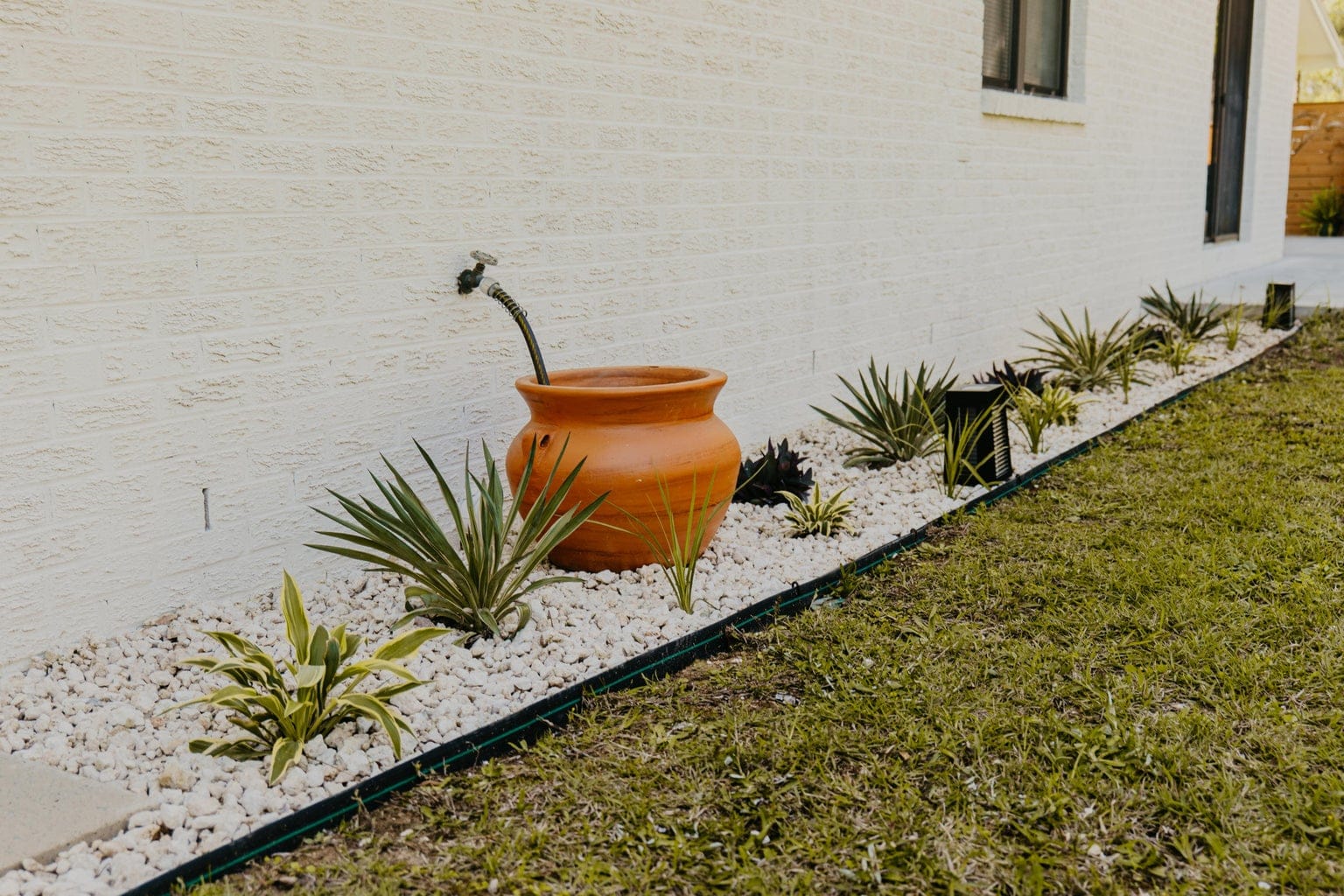
To landscape around your house, start by planning your design and choosing suitable plants. Use mulch and stones to enhance the look.
Landscaping around your house can significantly boost curb appeal and increase property value. Begin by sketching a design that complements your home’s architecture. Select plants that thrive in your climate and require minimal maintenance. Use mulch to retain soil moisture and suppress weeds.
Incorporate stones or pavers to create pathways and define garden beds. Proper lighting can highlight key features and improve safety. Regularly maintain your landscape to keep it looking fresh and inviting. With thoughtful planning and execution, your home’s exterior can become a beautiful and functional outdoor space.

Credit: www.reddit.com
Planning Your Landscape
Planning your landscape is the first step to creating a beautiful yard. This process helps you make the best use of your outdoor space. It also ensures that you stay within your budget.
Assessing Your Space
Before you start, take a good look at your yard. Consider the size and shape of your space. Note where the sun hits and where the shade falls. Check for any drainage issues or problem areas.
- Measure your yard: Use a tape measure to get exact dimensions.
- Note sun and shade: Track sunlight patterns during the day.
- Identify problem spots: Look for areas with poor drainage or weeds.
Setting A Budget
Setting a budget is crucial for any landscaping project. Decide how much you are willing to spend. This helps you plan better and avoid overspending.
Here is a simple budget table to help you plan:
| Item | Estimated Cost |
|---|---|
| Plants | $200 |
| Soil and Mulch | $100 |
| Tools | $150 |
| Decorative Elements | $250 |
| Total | $700 |
Stick to your budget to avoid financial stress. Adjust your plans if needed to fit your budget.

Credit: www.pinterest.com
Choosing Plants
Choosing the right plants is crucial for a beautiful landscape around your house. The right plants can enhance your home’s appearance. They can also provide shade and attract wildlife. This section covers how to choose the best plants for your yard.
Selecting Native Plants
Native plants are those that naturally grow in your area. They are well-adapted to the local climate and soil. This means they need less water and care. Native plants can also resist local pests and diseases better.
Here are some advantages of using native plants:
- Low Maintenance: They need less water and fertilizers.
- Eco-Friendly: They support local wildlife and pollinators.
- Cost-Effective: Lower maintenance costs save money over time.
To find native plants, visit local nurseries or consult a gardening expert.
Considering Seasonal Changes
Plant selection should account for seasonal changes. Your garden should look appealing all year round. Choose plants that bloom in different seasons.
Here’s a simple table to illustrate:
| Season | Plant Suggestions |
|---|---|
| Spring | Tulips, Daffodils |
| Summer | Roses, Sunflowers |
| Fall | Chrysanthemums, Asters |
| Winter | Holly, Evergreen Trees |
Here are some tips for seasonal planting:
- Plan Ahead: Know when each plant blooms.
- Mix and Match: Combine plants for year-round color.
- Use Evergreens: They keep your garden green in winter.
By considering these factors, your garden will be vibrant through all seasons.
Designing Flower Beds
Designing flower beds can enhance the beauty of your home. A well-designed flower bed can add color and texture. It creates a pleasant environment around your house. Here’s how to get started.
Layering Plants By Height
Layering plants by height adds depth and visual interest. Place the tallest plants at the back. Medium-sized plants should go in the middle. Short plants should be at the front. This creates a tiered effect. Each plant can be seen and appreciated.
- Tall Plants: Use sunflowers, hollyhocks, or delphiniums.
- Medium Plants: Try roses, daisies, or lavender.
- Short Plants: Use pansies, marigolds, or alyssum.
Incorporating Perennials And Annuals
Incorporate both perennials and annuals for continuous bloom. Perennials come back every year. They are reliable and low-maintenance.
- Popular Perennials: Daylilies, hostas, and peonies.
Annuals bloom for one season but provide bright colors. They are great for filling in gaps.
- Popular Annuals: Petunias, zinnias, and impatiens.
Mixing both types ensures a vibrant garden. It keeps your flower beds looking fresh all year.
Installing Hardscaping
Installing hardscaping can transform your outdoor space. It adds structure and functionality to your garden. Hardscaping includes elements like pathways, patios, and decks. These features create a beautiful and durable landscape around your house.
Pathways And Walkways
Pathways and walkways guide visitors through your garden. They provide a clear route to different areas. You can use various materials to create paths. Popular choices include stone, gravel, and pavers.
Start by planning the layout of your paths. Use a garden hose to mark the route. This lets you see how it will look before you start digging. Once you are happy with the layout, start digging the path. Make sure the ground is level and firm.
- Lay a base of gravel or sand.
- Place the stones or pavers on top.
- Fill gaps with sand or gravel.
- Compact the surface to ensure stability.
Pathways not only look good but also protect your plants. They keep foot traffic off delicate areas and prevent soil compaction.
Patios And Decks
Patios and decks create outdoor living spaces. They are perfect for relaxing and entertaining. Choose materials like wood, composite, or concrete for your patio or deck.
First, decide where you want your patio or deck. It should be easily accessible from your house. Next, measure the area and mark the boundaries. Excavate the area to the required depth. For a patio, lay a base of gravel and sand. For a deck, install support posts and beams.
| Material | Pros | Cons |
|---|---|---|
| Wood | Natural look, easy to install | Requires maintenance, can rot |
| Composite | Low maintenance, durable | More expensive, can fade |
| Concrete | Very durable, low maintenance | Can crack, less natural look |
For a patio, lay pavers or pour concrete. For a deck, install decking boards. Secure them with screws or nails. Finally, add finishing touches like railings or furniture. Patios and decks expand your living space. They make your garden more usable and enjoyable.
Creating Water Features
Adding water features can transform your yard into a peaceful oasis. The sound of water soothes and attracts wildlife. Let’s explore how to add a pond and a fountain to your landscape.
Building A Pond
A pond can be the centerpiece of your garden. It provides a habitat for fish and plants. Follow these steps to build your pond:
- Choose a Location: Pick a spot with partial shade.
- Excavate: Dig a hole in the chosen shape and depth.
- Install a Liner: Line the hole with a pond liner to prevent leaks.
- Add Water: Fill the pond with water. Ensure it’s clean.
- Decorate: Add rocks, plants, and fish to your pond.
Adding A Fountain
A fountain adds elegance and movement to your garden. It’s easy to install and maintain. Here’s how to add a fountain:
- Select a Fountain: Choose a style that matches your garden.
- Prepare the Base: Level the ground where the fountain will sit.
- Install the Pump: Place the pump in the base and connect it.
- Assemble the Fountain: Follow the instructions to put it together.
- Fill with Water: Add water to the fountain basin.
- Plug In: Connect the pump to a power source and enjoy.
Creating water features like ponds and fountains can enrich your landscape. They provide beauty and a sense of calm. Start planning your water feature today!
Enhancing With Lighting
Lighting can transform your garden into a magical retreat. It adds beauty and safety to your home’s landscape. A well-lit yard extends your outdoor enjoyment into the evening. Let’s explore some effective lighting options.
Solar Lighting Options
Solar lights are eco-friendly and cost-effective. These lights harness the sun’s energy during the day. At night, they illuminate your garden without increasing electricity bills.
There are different types of solar lights:
- Path Lights: Ideal for walkways and driveways.
- Spotlights: Highlight trees and architectural features.
- String Lights: Perfect for patios and decks.
Solar lights are easy to install. No need for complex wiring. Choose solar lights for an effortless lighting solution.
Accent And Safety Lighting
Accent lighting highlights your garden’s best features. It draws attention to plants, sculptures, and water features.
Types of accent lighting include:
- Uplights: Shine light upwards to highlight trees and structures.
- Downlights: Direct light downwards, creating a moonlight effect.
- Floodlights: Cover large areas with bright light.
Safety lighting ensures your garden is safe at night. It prevents accidents and deters intruders. Use motion sensor lights for added security. Place them near doorways, paths, and dark corners.
| Lighting Type | Purpose | Placement |
|---|---|---|
| Path Lights | Illuminate walkways | Along paths and driveways |
| Spotlights | Highlight features | Near trees and statues |
| String Lights | Create ambiance | Patios and decks |
| Uplights | Highlight structures | At the base of trees |
| Downlights | Moonlight effect | Above features |
| Floodlights | Bright illumination | Large areas |
| Motion Sensor Lights | Security | Near doors and paths |
Good lighting elevates your garden’s beauty. It also ensures safety for your family and guests.
Maintaining Your Landscape
Maintaining your landscape is crucial for a beautiful home exterior. Regular care helps plants thrive and keeps your yard tidy. This section covers essential maintenance tasks.
Regular Watering Schedule
Watering your plants on a regular schedule keeps them healthy. Different plants need different amounts of water. Use a watering can or a garden hose. Water early in the morning or late in the evening. This prevents water from evaporating too quickly.
Consider using a drip irrigation system. It ensures even water distribution. If you have a busy schedule, set up a timer for your sprinklers. This way, your plants get water even if you forget.
Pruning And Weeding
Pruning is essential for plant health. Remove dead or overgrown branches. This encourages new growth and maintains the plant’s shape. Weeding prevents unwanted plants from taking over your garden. Weeds compete with your plants for nutrients.
Use pruning shears for small branches and lopers for thicker ones. Regular weeding keeps your garden neat. Pull weeds by hand or use a hoe. Make sure to get the roots to prevent regrowth.
| Task | Tools | Best Time |
|---|---|---|
| Watering | Watering can, garden hose, drip irrigation | Morning or evening |
| Pruning | Pruning shears, lopers | Spring and fall |
| Weeding | Hand, hoe | Any time |

Credit: www.pinterest.com
Sustainable Landscaping
Sustainable landscaping helps the environment. It also makes your home look beautiful. It uses natural resources wisely. This guide teaches you how to landscape around your house sustainably.
Using Compost And Mulch
Compost is decayed organic material. It enriches your soil. You can make compost from kitchen scraps. Avoid using meat and dairy. They attract pests.
Mulch covers the soil. It keeps moisture in and weeds out. You can use wood chips or leaves as mulch. Spread it around plants and trees.
| Benefits of Compost | Benefits of Mulch |
|---|---|
| Improves soil health | Retains soil moisture |
| Provides nutrients | Reduces weeds |
Installing Rain Barrels
Rain barrels collect rainwater. They save water for your garden. Place them under downspouts.
Use the collected water for plants. This helps you save on water bills. It also reduces stormwater runoff.
- Choose a barrel with a lid to prevent mosquito breeding.
- Install a spigot at the bottom for easy access.
- Elevate the barrel for better water flow.
Using rain barrels and compost is smart. Your garden will love it. The earth will too.
Frequently Asked Questions
What Is The Best Landscape Material Next To A House?
Gravel or mulch are the best landscape materials next to a house. They prevent soil erosion and provide good drainage. Avoid materials that retain moisture, as they can damage the foundation.
How Do You Landscape Next To A House Foundation?
Plant shrubs and flowers at least 3 feet from the foundation. Use well-draining soil and avoid water pooling. Choose plants with non-invasive roots. Mulch to retain moisture and prevent erosion. Ensure proper grading to slope away from the house.
How Do I Start Landscaping In Front Of My House?
Start by planning your design and budget. Choose plants suitable for your climate. Prepare soil and install edging. Plant flowers and shrubs. Maintain regularly.
How To Edge Around Your House?
To edge around your house, use a spade or half-moon edger. Cut a clean line along the lawn’s edge. Remove excess soil and grass clumps. Regularly maintain the edges to keep them neat. Mulch the surrounding area to prevent weed growth.
Conclusion
Transforming your home’s landscape can boost curb appeal and enjoyment. Start with a plan, choose the right plants, and maintain regularly. Incorporate paths and lighting to enhance functionality and beauty. With these tips, your landscape will become a stunning extension of your home.
Happy landscaping!