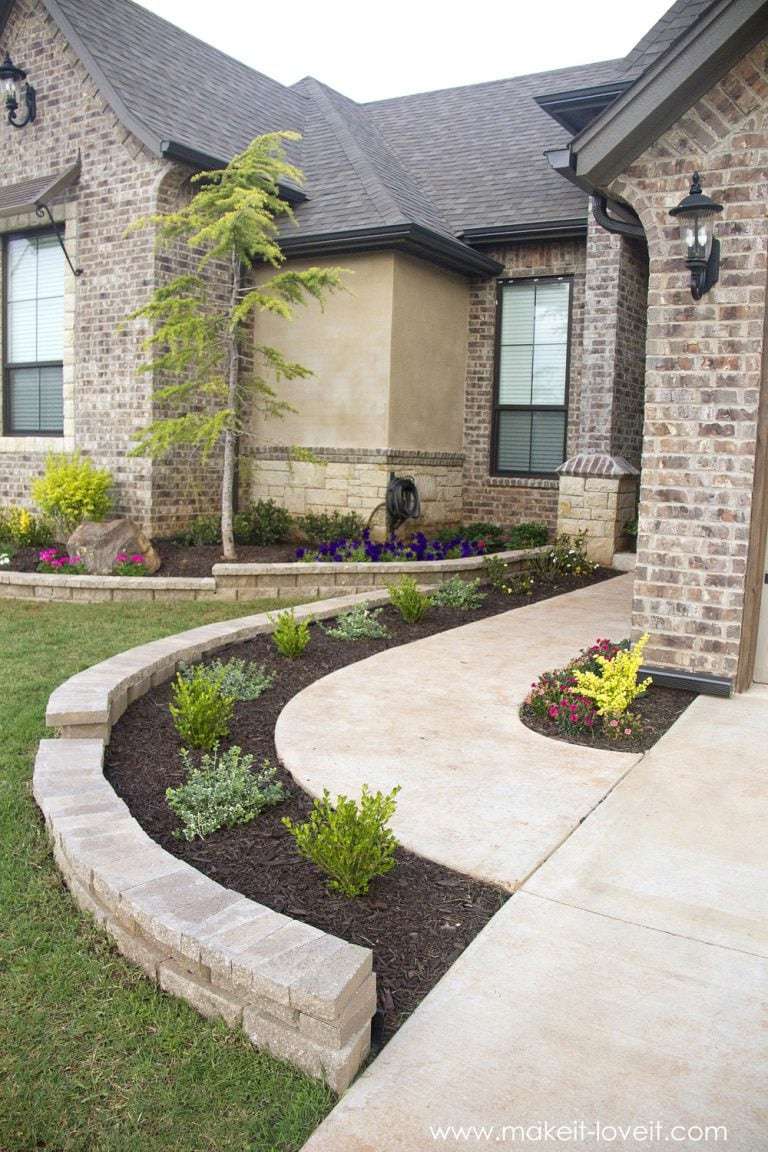
DIY landscaping design allows homeowners to create beautiful outdoor spaces without professional help. It involves planning, designing, and implementing landscaping ideas.
Starting a DIY landscaping project can be both exciting and rewarding. Begin by assessing your outdoor space and determining your needs. Consider the climate, soil type, and sunlight patterns to choose suitable plants. Sketch a layout, incorporating elements like pathways, flower beds, and seating areas.
Prioritize functionality and aesthetics to enhance your yard’s appeal. Use online resources, books, and gardening tools to guide you through the process. With careful planning and creativity, transforming your yard into a stunning landscape becomes an achievable goal. Embrace the process and enjoy the satisfaction of creating a beautiful, personalized outdoor space.
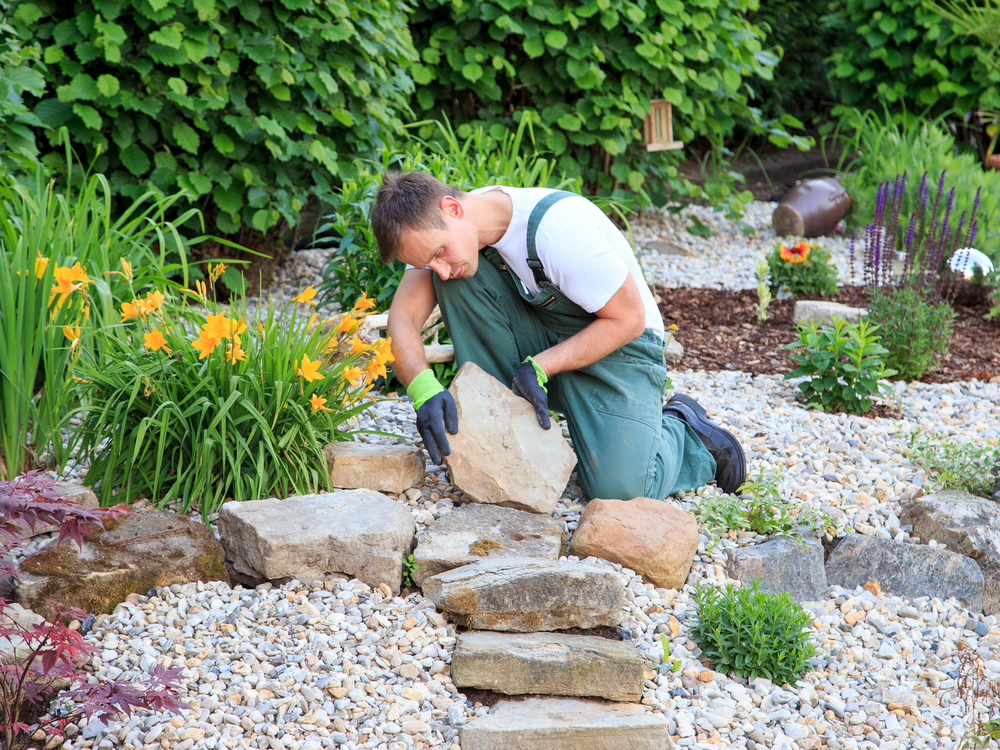
Credit: www.extraspace.com
Introduction To Diy Landscaping
DIY landscaping is a fun way to make your yard beautiful. You do the work yourself. This saves money and lets you be creative. You can design your yard just how you want it. This guide will help you start your DIY landscaping journey.
Benefits Of Diy Landscaping
There are many benefits of DIY landscaping. First, it is cost-effective. Hiring professionals can be expensive. Doing it yourself saves you money.
- Personal Satisfaction: You feel proud of your work.
- Customization: You can create a unique design.
- Exercise: Landscaping is good physical activity.
- Learning New Skills: You learn about plants and design.
Common Challenges
DIY landscaping has some challenges. Knowing these can help you plan better.
| Challenge | Description |
|---|---|
| Time-Consuming | Landscaping takes a lot of time and effort. |
| Knowledge Required | You need to learn about plants and soil. |
| Physical Labor | Digging and lifting can be hard work. |
Despite these challenges, many find DIY landscaping rewarding. It’s a chance to make your yard special.
Planning Your Landscape Design
Planning your landscape design is an exciting step in your DIY landscaping journey. This is where creativity meets strategy. A well-thought-out plan ensures your yard is both beautiful and functional. Below are some key steps to guide you through the planning process.
Setting Goals
Setting goals is crucial for successful landscape design. Think about what you want from your outdoor space. Do you need a play area for kids? Or perhaps a peaceful garden for relaxation? Make a list of your needs and desires. This will help you stay focused.
- List your needs
- Consider your budget
- Think about maintenance
Creating specific goals will make the planning process easier. It will also ensure that your final design meets your expectations.
Sketching Your Ideas
Sketching your ideas brings your vision to life. Start with a rough sketch of your yard. Include existing features like trees, pathways, and structures. Then, add your new ideas.
Use simple shapes to represent different elements. For example, draw circles for trees and rectangles for patios. This helps you visualize how everything will fit together.
- Draw a basic outline of your yard
- Add existing features
- Incorporate your new ideas
Don’t worry about making it perfect. The goal is to create a clear plan. This will guide you as you bring your landscape design to life.
By setting goals and sketching your ideas, you create a solid foundation for your DIY landscaping project. This ensures your outdoor space is both beautiful and functional.
Choosing The Right Plants
Choosing the right plants is key in DIY landscaping. The right plants make your garden beautiful and healthy. This section will help you pick the best plants for your yard.
Climate Considerations
Before choosing plants, know your climate. Different plants thrive in different climates. Some plants need lots of sun. Others prefer shade. Check your area’s average temperatures. Note the rainfall patterns. This helps you choose plants that will grow well in your yard.
| Climate Type | Plant Type |
|---|---|
| Hot and Dry | Cacti, Succulents |
| Cold and Frosty | Evergreens, Hardy Perennials |
| Moderate and Moist | Ferns, Hostas |
Selecting Native Plants
Native plants are plants that naturally grow in your region. They are adapted to your local climate. Native plants need less water and care. They attract local wildlife. Butterflies and bees love native plants.
- Research native plants in your area.
- Visit local nurseries. They often sell native plants.
- Consult local gardening groups for advice.
Here are some benefits of native plants:
- They are more resistant to pests.
- They require less fertilizer and water.
- They support local ecosystems.
Choose native plants to make your garden thrive naturally.
Designing Functional Spaces
Creating functional spaces in your yard is important. These spaces make your yard useful and fun. You can design areas for different activities. This helps you enjoy your outdoor space more.
Creating Entertainment Areas
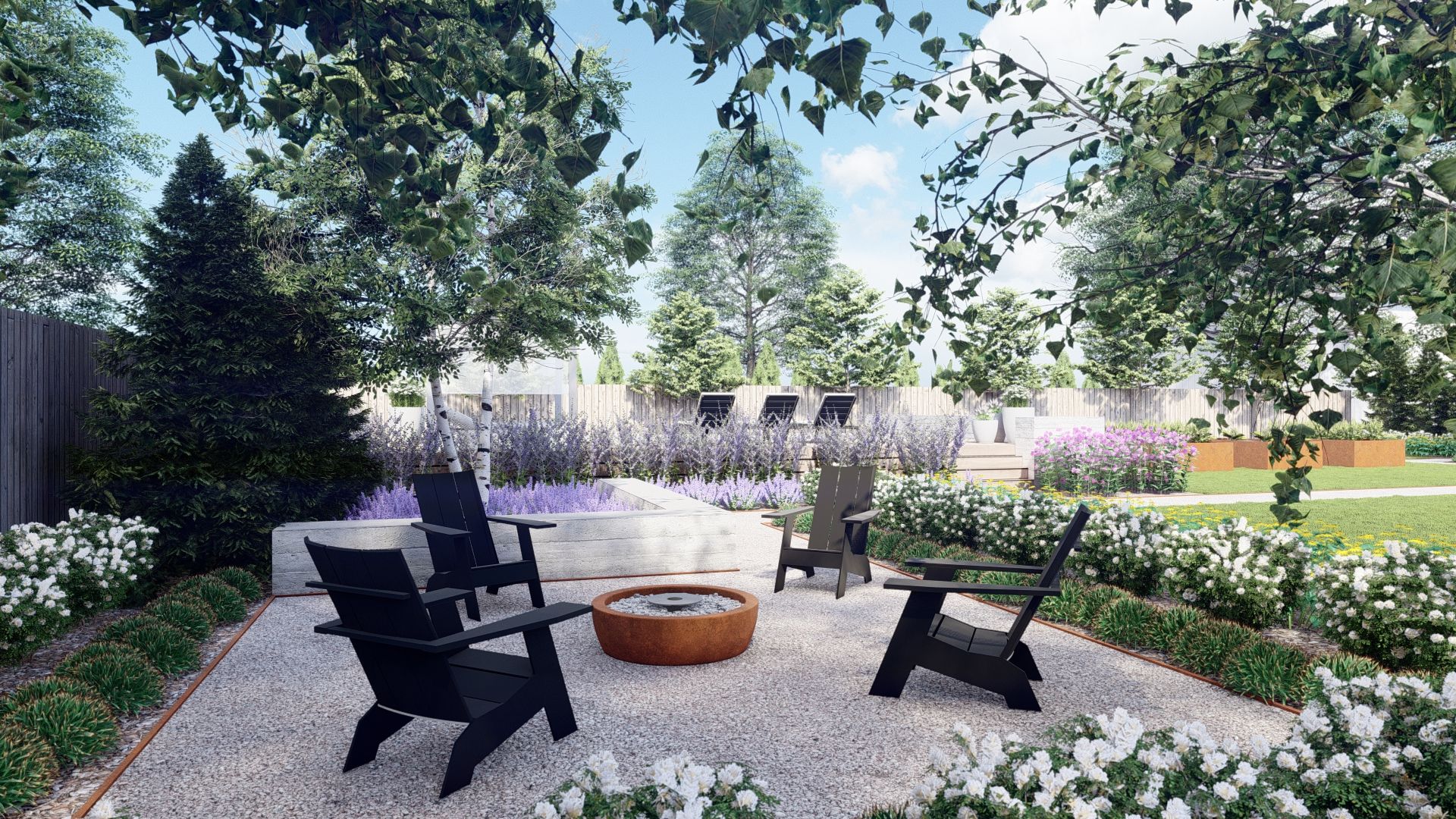
Entertainment areas are great for hosting parties. They can include seating, tables, and lighting. Think about adding a fire pit or grill. These features make gatherings more enjoyable.
- Seating: Use comfortable chairs and sofas.
- Tables: Choose sturdy tables for food and drinks.
- Lighting: Install string lights or lanterns for ambiance.
Designing Play Zones
Play zones are perfect for kids. They should be safe and fun. Add elements like swings, slides, and sandboxes. These zones keep kids happy and active.
- Swings: Ensure swings are secure and safe.
- Slides: Place slides on soft surfaces.
- Sandboxes: Use clean sand and cover the box when not in use.
Incorporating Hardscaping Elements
Incorporating hardscaping elements into your DIY landscaping design adds structure and functionality. Hardscaping involves non-living elements like pathways, patios, and water features. These elements enhance the beauty of your garden and make it more usable. Hardscaping can transform your outdoor space into a serene oasis.
Pathways And Patios
Pathways guide visitors through your garden. They connect different areas and create a sense of flow. Use materials like gravel, stone, or brick to build pathways. Choose materials that match your garden style.
Patios provide a space for relaxation and entertainment. A well-placed patio can become the focal point of your garden. Use durable materials like concrete, pavers, or flagstone. Ensure the patio is level and has good drainage.
| Material | Advantages | Disadvantages |
|---|---|---|
| Gravel | Easy to install, affordable | Can shift over time |
| Stone | Natural look, durable | Expensive, heavy |
| Brick | Classic look, durable | Can be costly |
Water Features
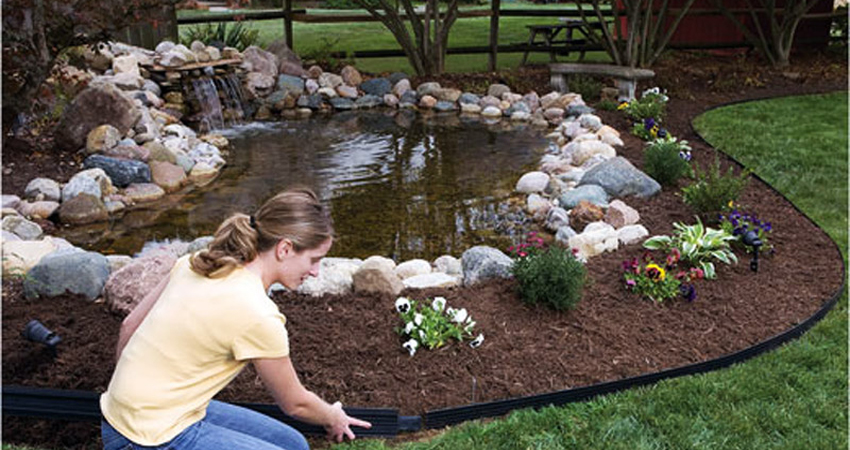
Water features add tranquility and beauty to your garden. They can include fountains, ponds, and waterfalls. Water features attract wildlife and create a soothing sound.
- Fountains: Easy to install, come in various styles.
- Ponds: Create a natural habitat, require regular maintenance.
- Waterfalls: Add a dramatic effect, need a pump system.
Use water features to create a focal point. Place them near seating areas for maximum enjoyment. Ensure proper water circulation to avoid stagnation.
Maintaining Your Landscape
Once you have designed and built your dream landscape, maintaining it is key. Regular care ensures your outdoor space stays beautiful and healthy. Below, we explore essential aspects of landscape maintenance.
Seasonal Care
Each season requires different landscape maintenance tasks. In spring, prune your plants and shrubs. This helps them grow better. Add fresh mulch to garden beds. It keeps soil moist and weeds away.
Summer needs extra watering. Water early in the morning. This prevents water loss due to heat. Mow your lawn regularly but avoid cutting it too short.
Autumn is cleanup time. Rake fallen leaves and compost them. Plant bulbs for spring blooms. Winterize your garden tools and store them properly.
Pest Management
Pests can damage your landscape. Regularly inspect plants for signs of pests. Look for holes in leaves or discolored spots.
Use natural pest control methods first. Introduce beneficial insects like ladybugs. They eat harmful pests.
If pests persist, use organic pesticides. Chemical pesticides should be the last resort. Always follow the instructions on the label.
Keep your landscape healthy with these simple steps. Your garden will thrive all year round.
Budget-friendly Tips
Creating a beautiful landscape doesn’t have to break the bank. With some creativity and resourcefulness, you can design an amazing outdoor space. Here are some budget-friendly tips to help you transform your yard.
Recycling Materials
Recycling materials can save money and the environment. Reuse old bricks, stones, and wood for pathways or garden beds. These materials add a rustic charm to your landscape.
- Old bricks make beautiful garden pathways.
- Stone can be used for borders and retaining walls.
- Wood pallets can create raised garden beds.
Consider using second-hand items. Thrift stores and yard sales offer unique pieces at low prices. Look for pots, benches, and garden decorations.
Repurpose items from your home. An old ladder can become a plant stand. A broken chair can be a garden ornament. Be creative and think outside the box.
Diy Projects
DIY projects are a great way to save money. They also give your garden a personal touch. Here are some simple and fun projects to try:
- Build a birdhouse: Use scrap wood to create a cozy home for birds.
- Create a compost bin: Turn kitchen scraps into nutrient-rich soil.
- Paint old pots: Give them a fresh look with vibrant colors.
Planting seeds is cheaper than buying plants. Start a seed garden and watch it grow. Use egg cartons or yogurt cups as seed starters.
Install a rain barrel to collect rainwater. Use this water for your plants. It’s free and eco-friendly.
By following these budget-friendly tips, you can create a beautiful landscape without spending much. Happy gardening!
Credit: tillydesign.com
Credit: envirolandnponds.com
Frequently Asked Questions
How To Do Landscape Design Yourself?
Start by planning your layout and choosing plants. Use native species for easier maintenance. Incorporate pathways and focal points. Add mulch to retain moisture and reduce weeds. Regularly maintain your garden for best results.
Is There An App To Design Your Yard?
Yes, there are several apps to design your yard, like iScape, Home Design 3D, and Planner 5D.
How Do I Create A Landscape Layout?
Open your document, go to the “Layout” or “Page Layout” tab, and select “Orientation. ” Choose “Landscape. ” Save changes.
Is It Worth It To Do Your Own Landscaping?
Yes, it can be worth it to do your own landscaping. You save money and personalize your space. It also provides physical exercise and a sense of accomplishment. However, consider the time, effort, and skill required before starting.
Conclusion
Creating your own landscaping design can be a rewarding experience. It allows for personal touches and creativity. With careful planning and execution, a stunning yard is achievable. Use this guide to transform your outdoor space. Embrace the joy of DIY and watch your garden flourish.
Happy landscaping!