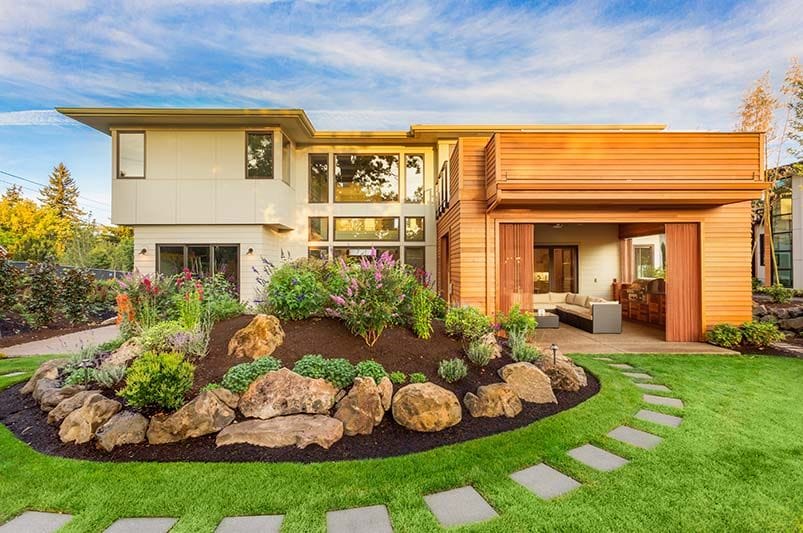
Sustainable landscaping and smart technology integration are the top current landscaping trends. Homeowners seek eco-friendly designs and automated solutions.
Sustainable landscaping focuses on using native plants, reducing water usage, and incorporating organic materials. Smart technology enhances outdoor spaces with automated irrigation systems, lighting, and weather sensors. These trends not only promote environmental responsibility but also add convenience and efficiency to garden maintenance.
Vertical gardens and edible landscapes are also gaining popularity, offering both aesthetic appeal and functional benefits. As people spend more time at home, creating a beautiful and sustainable outdoor space has become a priority. These trends reflect a growing awareness of environmental impact and a desire for tech-savvy, low-maintenance gardens.
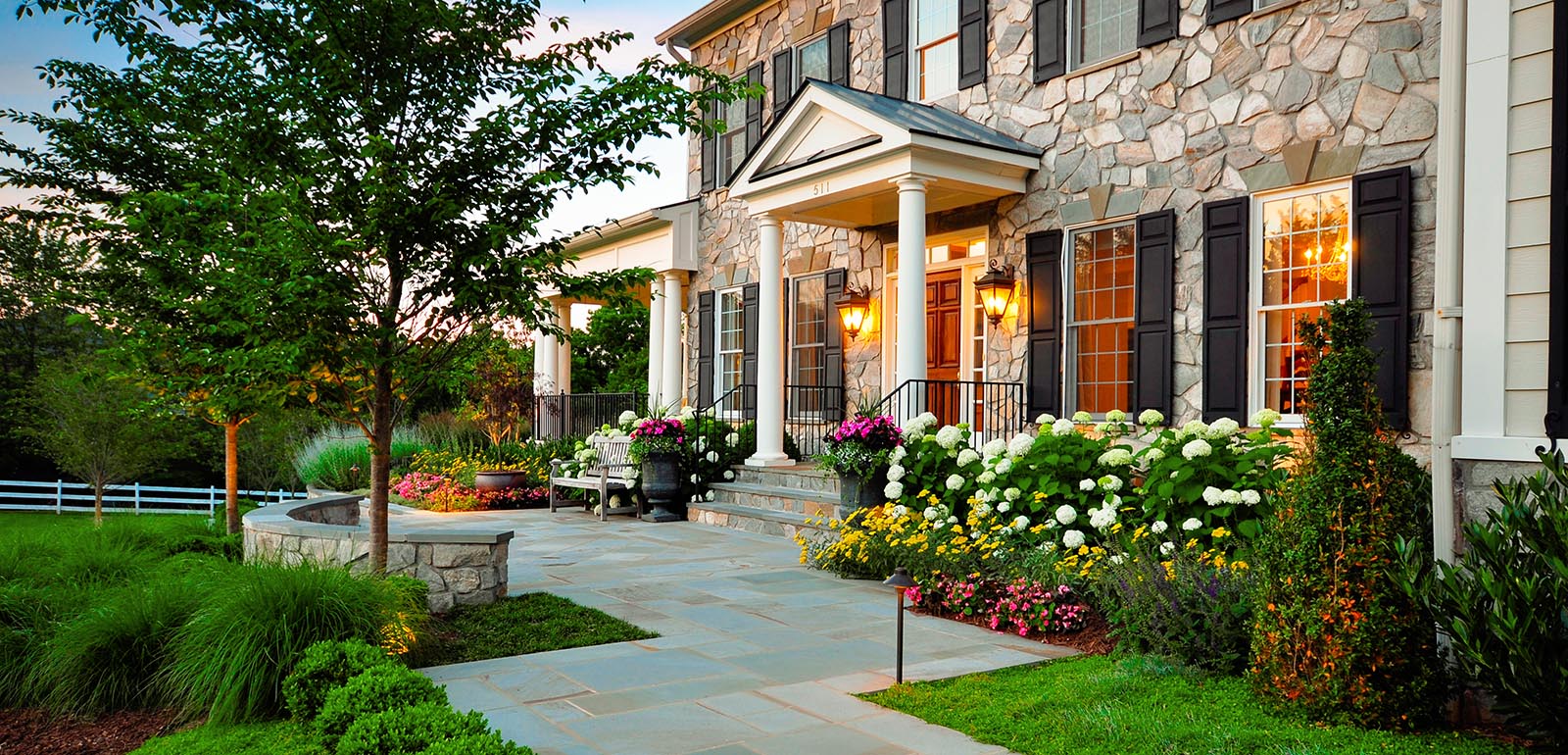
Credit: www.leetessier.com
Sustainable Landscaping
Sustainable landscaping is transforming outdoor spaces. It focuses on eco-friendly practices. This trend helps the environment and saves money. Let’s explore key aspects of sustainable landscaping.
Eco-friendly Materials
Using eco-friendly materials is a big trend in landscaping. These materials are good for the planet. They reduce waste and pollution.
- Recycled wood is perfect for decks and fences.
- Bamboo grows fast and is a great choice for garden structures.
- Reclaimed stones can make beautiful pathways.
Choose materials that last long. This reduces the need for replacements. It helps keep your garden sustainable.
Water Conservation Techniques
Water conservation is vital in sustainable landscaping. There are many ways to save water in your garden.
- Install drip irrigation systems. They deliver water directly to the roots.
- Use mulch to retain soil moisture. It also keeps weeds away.
- Choose native plants. They need less water and are easier to care for.
Collecting rainwater is another great technique. Use rain barrels to store water for dry days.
| Technique | Benefits |
|---|---|
| Drip Irrigation | Efficient water use, less evaporation |
| Mulching | Retains moisture, suppresses weeds |
| Native Plants | Low water needs, easy maintenance |
These techniques ensure a healthy garden. They also save valuable water resources.

Credit: www.arkaenergy.com
Outdoor Living Spaces
Outdoor living spaces are trending in landscaping design. People love to extend their homes outdoors. It creates a cozy and functional environment. Let’s explore some top trends in this category.
Functional Furniture
Functional furniture is a must for any outdoor space. It combines comfort and usability. Here are some popular options:
- Modular Sofas: These can be arranged in various ways.
- Weatherproof Tables: Perfect for dining outside.
- Multi-purpose Chairs: Great for relaxing or entertaining guests.
Investing in quality furniture ensures durability. It also adds a touch of style to your outdoor area.
Outdoor Kitchens
Outdoor kitchens are gaining popularity. They turn your backyard into a cooking paradise. Essential components include:
| Component | Description |
|---|---|
| Grill Station | Perfect for BBQs and grilling. |
| Prep Area | Space for chopping and preparing food. |
| Outdoor Sink | Convenient for washing hands and dishes. |
| Storage Cabinets | Keep your utensils and ingredients organized. |
Outdoor kitchens make entertaining easy. They allow you to enjoy cooking in the fresh air.
Native Plants
Native plants are becoming increasingly popular in landscaping. They are well-suited to local climates and soils. These plants support local wildlife and require less maintenance. Let’s explore the benefits and top choices for native plants.
Benefits Of Native Plants
Native plants offer numerous advantages:
- Low Maintenance: They need less water and fertilizer.
- Environmental Benefits: They support local ecosystems and wildlife.
- Cost-Effective: They save money on gardening expenses.
- Resilient: They are more resistant to pests and diseases.
Top Native Plant Choices
Here are some excellent native plant choices for landscaping:
| Plant Name | Benefits |
|---|---|
| Milkweed | Attracts butterflies, especially monarchs. |
| Black-Eyed Susan | Bright flowers, attracts bees and birds. |
| Switchgrass | Tolerates drought, provides cover for wildlife. |
| Goldenrod | Supports pollinators, vibrant yellow flowers. |
Choosing native plants ensures a thriving, sustainable garden.
Smart Technology
Smart technology is changing landscaping. It makes gardens more efficient and beautiful. It saves time and water too. Below are some exciting trends in smart landscaping.
Automated Irrigation Systems
Automated irrigation systems are very popular. They water your garden automatically. This saves you time and effort. These systems can sense the weather. They adjust water levels based on rain and temperature. This prevents overwatering and saves water.
| Feature | Benefit |
|---|---|
| Weather sensors | Adjust water based on weather |
| Smartphone control | Manage from anywhere |
| Water-saving | Reduce water bills |
Smart Lighting Solutions
Smart lighting adds beauty to your garden. It enhances safety too. You can control lights with your phone. Set schedules or use motion sensors. This makes your garden look great at night. It also deters intruders. LED lights are popular. They save energy and last long.
- Phone control
- Motion sensors
- Energy-efficient LEDs
- Custom schedules
Vertical Gardens
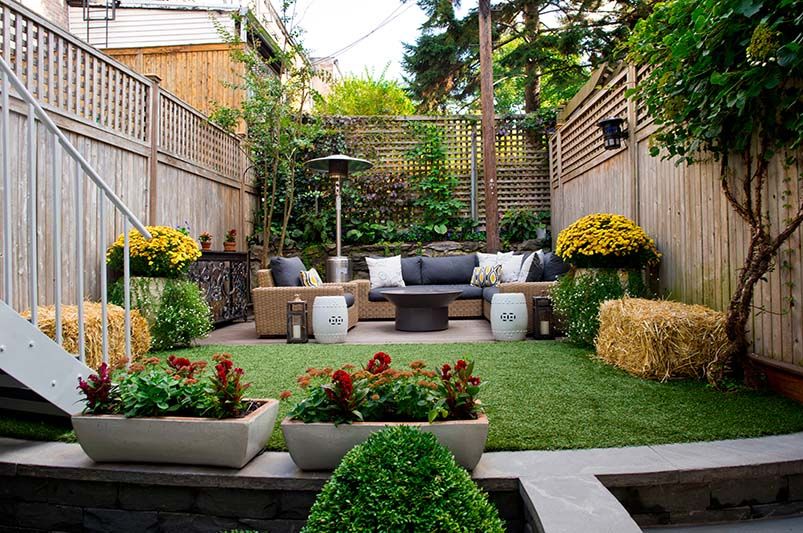
Vertical gardens are gaining popularity in landscaping. They offer a fresh, modern look. These gardens use vertical space effectively. They are ideal for urban settings. Vertical gardens also bring nature closer to home.
Space-saving Solutions
Vertical gardens are excellent for small spaces. They allow plants to grow upwards. This method saves ground space. You can even use walls or fences. Vertical gardens can transform dull walls into green, living art.
Here are some space-saving solutions for vertical gardens:
- Wall-mounted planters
- Hanging pots
- Vertical pallets
- Living walls
These options are easy to install. They also add beauty to any area. Vertical gardens are practical and stylish.
Design Ideas
Vertical gardens offer endless design possibilities. You can mix and match plants. Use different colors, textures, and sizes. This creates a visually appealing garden.
Consider these design ideas for your vertical garden:
- Herb wall garden: Grow fresh herbs like basil, thyme, and mint.
- Succulent frame: Use succulents to create a low-maintenance garden.
- Flower tower: Stack flowering plants for a burst of color.
- Vegetable wall: Grow vegetables like lettuce and spinach vertically.
These ideas can make your garden stand out. They are also functional. Vertical gardens can be a focal point in any landscape.
| Vertical Garden Type | Benefits |
|---|---|
| Wall-mounted planters | Saves ground space, easy to install |
| Hanging pots | Versatile, can be moved easily |
| Vertical pallets | Cost-effective, great for herbs |
| Living walls | Creates a green facade, improves air quality |
Vertical gardens are a smart choice. They save space and offer many design options. Transform your landscape with a vertical garden today.
Credit: www.shrubhub.com
Edible Gardens
Edible gardens are gaining popularity. They allow you to grow your own food. These gardens combine beauty and utility.
Growing Your Own Food
Growing your own food provides fresh produce. It also reduces grocery bills. Edible gardens can fit in small or large spaces.
Start with easy-to-grow plants. Use quality soil and organic fertilizers. This ensures healthy and tasty produce.
Popular Edible Plants
Some plants are very popular in edible gardens. These include vegetables, herbs, and fruits.
Vegetables:
- Tomatoes
- Lettuce
- Carrots
Herbs:
- Basil
- Mint
- Parsley
Fruits:
- Strawberries
- Blueberries
- Lemons
| Plant | Type | Growing Tips |
|---|---|---|
| Tomatoes | Vegetable | Needs full sun and regular watering |
| Basil | Herb | Plant in well-drained soil |
| Strawberries | Fruit | Plant in sunny spot |
Minimalist Designs
Minimalist designs are transforming modern landscaping. They focus on simplicity and elegance. The goal is to create spaces that are clean, functional, and beautiful. This trend is perfect for those who love a tidy and organized outdoor environment.
Simplified Plant Choices
Minimalist landscapes use fewer plant species. This reduces maintenance and creates a cohesive look. Native plants are often chosen for their low water needs and ease of care. Here are some top plant choices for minimalist designs:
- Succulents
- Grasses
- Boxwood shrubs
These plants are not only easy to maintain but also add texture and interest.
Clean Lines And Structures
Clean lines and structures are key in minimalist landscaping. Paths, patios, and garden beds are designed with straight edges and clear boundaries. This creates a sense of order and simplicity. Below is a table showing common materials used:
| Material | Usage |
|---|---|
| Concrete | Patios and paths |
| Steel | Edging |
| Gravel | Ground cover |
These materials offer a modern and clean aesthetic. They are also durable and easy to maintain.
In minimalist designs, less is more. Each element serves a purpose and enhances the space. This creates a serene and inviting outdoor area.
Natural Elements
Incorporating natural elements into your landscaping can bring a fresh, organic feel to your outdoor space. Adding natural features such as water, stone, and wood can create a serene and inviting atmosphere. Below, we explore how to integrate these elements effectively.
Incorporating Water Features
Water features can add a sense of tranquility to any garden. They also attract wildlife, adding a dynamic element to your landscape.
- Fountains: Small or large, fountains provide a calming sound.
- Ponds: Ponds can house fish and aquatic plants.
- Waterfalls: Create a naturalistic look with cascading water.
| Feature | Benefit |
|---|---|
| Fountains | Soothing sounds |
| Ponds | Supports wildlife |
| Waterfalls | Natural beauty |
Using Stone And Wood
Stone and wood add a rustic and natural feel to your landscape. These materials are durable and versatile.
- Stone Paths: Guide visitors through your garden with natural stone paths.
- Wooden Decks: Create outdoor living spaces with wooden decks.
- Rock Gardens: Use rocks to create unique garden features.
- Choose durable materials.
- Ensure proper installation.
- Maintain regularly.
Frequently Asked Questions
What Is The Trend In Landscaping In 2024?
In 2024, sustainable landscaping is the trend. Homeowners prefer native plants, water-saving designs, and eco-friendly materials. Smart technology like automated irrigation is also popular.
What Is The Most Low Maintenance Landscaping?
The most low maintenance landscaping includes native plants, drought-tolerant grasses, mulch, and hardscaping elements like rocks and pavers. These options require minimal watering and upkeep.
What Landscaping Adds Most Value?
Adding well-maintained lawns, native plants, and outdoor living spaces like patios or decks increases property value significantly.
What Are The Paver Trends For 2024?
Paver trends for 2024 include sustainable materials, geometric patterns, and mixed textures. Expect bold colors and larger paver sizes. Eco-friendly options are also popular.
Conclusion
Embracing current landscaping trends can transform your outdoor space. From sustainable practices to smart technology, the options are vast. Stay updated and choose what suits your style. Your landscape will reflect beauty and innovation. Start implementing these trends today and enjoy a fresh, modern outdoor environment.