Gardening in Texas requires drought-resistant plants and efficient water management. Choose native species to ensure your garden thrives.
Texas offers a unique climate for gardeners, with hot summers and mild winters. Selecting the right plants is crucial for a successful garden. Native species like Texas Sage, Bluebonnets, and Yucca adapt well to the local environment. Efficient water management is also essential due to frequent droughts.
Using drip irrigation and mulching can conserve water effectively. Raised beds and well-drained soil help plants flourish. Proper planning and maintenance will make your Texas garden a beautiful and sustainable space. Consider incorporating local flora and sustainable practices for a vibrant landscape. Adapt your garden to the Texas climate for long-term success.
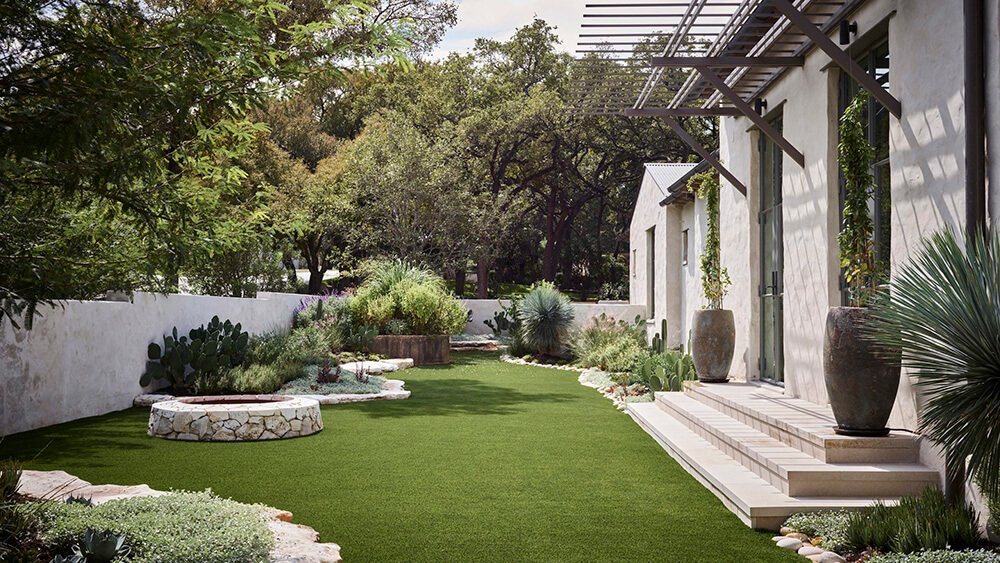
Credit: www.texasnativescapes.com
Climate Considerations
Gardening in Texas presents unique challenges and opportunities. The state’s diverse climate requires careful planning and adaptation. Understanding the climate considerations is crucial for successful landscape design. This section offers insights into the Texas weather and tips for adapting to seasonal changes.
Understanding Texas Weather
Texas has a variety of climates. The state experiences hot summers and mild winters. Rainfall varies significantly across regions. The western part is arid, while the east is humid. Knowing your local weather patterns helps in choosing the right plants.
- Hot Summers: Temperatures can soar above 100°F.
- Mild Winters: Rarely freezing, ideal for many plants.
- Rainfall Variability: Some areas get heavy rain, others very little.
Understanding these factors is key to successful gardening in Texas. Select plants that thrive in your specific climate zone.
Adapting To Seasonal Changes
Seasonal changes in Texas require gardeners to be flexible. Each season brings unique challenges and opportunities. Here’s how to adapt:
| Season | Tips |
|---|---|
| Spring | Prepare soil and start planting. Use mulch to retain moisture. |
| Summer | Water plants early in the morning. Provide shade for sensitive plants. |
| Fall | Plant cool-season vegetables. Clean up garden beds and compost leaves. |
| Winter | Protect plants from frost. Prune trees and shrubs. |
By adapting to these seasonal changes, you ensure a healthy and vibrant garden year-round.
Soil Preparation
Preparing the soil is crucial for successful gardening in Texas. The right soil preparation ensures healthy plant growth and a beautiful landscape. Let’s dive into the essential aspects of soil preparation, focusing on soil types and improving soil quality.
Soil Types In Texas
Texas has diverse soil types. Understanding these types helps in selecting the right plants.
- Clay Soil: Heavy and compact, retains water, but drains poorly.
- Sandy Soil: Light and drains quickly, but lacks nutrients.
- Loamy Soil: A mix of clay, sand, and silt, ideal for most plants.
- Caliche Soil: Hard, calcium-rich, and challenging for plant roots.
Improving Soil Quality
Improving soil quality involves several steps. Follow these tips for better soil health.
- Test Your Soil: Use a soil test kit to check pH and nutrient levels.
- Add Organic Matter: Compost, manure, and leaf mold enrich the soil.
- Ensure Proper Drainage: Use raised beds or amend with sand for better drainage.
- Maintain Soil pH: Adjust pH with lime (to raise) or sulfur (to lower).
| Soil Type | Characteristics | Improvement Tips |
|---|---|---|
| Clay | Heavy, retains water | Add sand, compost |
| Sandy | Drains quickly | Mix with loam, compost |
| Loamy | Balanced mix | Maintain with compost |
| Caliche | Hard, calcium-rich | Use raised beds |
By understanding and improving your soil, you can ensure a thriving garden in Texas. Happy gardening!
Plant Selection
Choosing the right plants is crucial for a thriving Texas garden. Texas has unique climate conditions. It can be hot and dry. Selecting the right plants helps save water and ensures your garden flourishes. Below, we discuss native plants and drought-resistant varieties for Texas gardens.
Native Plants
Native plants are plants that naturally occur in Texas. They are adapted to the local climate. They need less water and care than non-native plants. Here are some great native plants for your garden:
- Texas Sage: A hardy shrub with purple flowers. It blooms in summer.
- Blackfoot Daisy: A small, white flowered plant. It attracts butterflies.
- Bluebonnet: The state flower of Texas. It has beautiful blue blooms.
- Mexican Feathergrass: An ornamental grass with fine, delicate blades.
Native plants offer many benefits. They support local wildlife. They also require less fertilizer and pesticides. This makes them eco-friendly.
Drought-resistant Varieties
Drought-resistant plants thrive with little water. Texas often experiences droughts. These plants can handle dry conditions. Here are some drought-resistant varieties for Texas gardens:
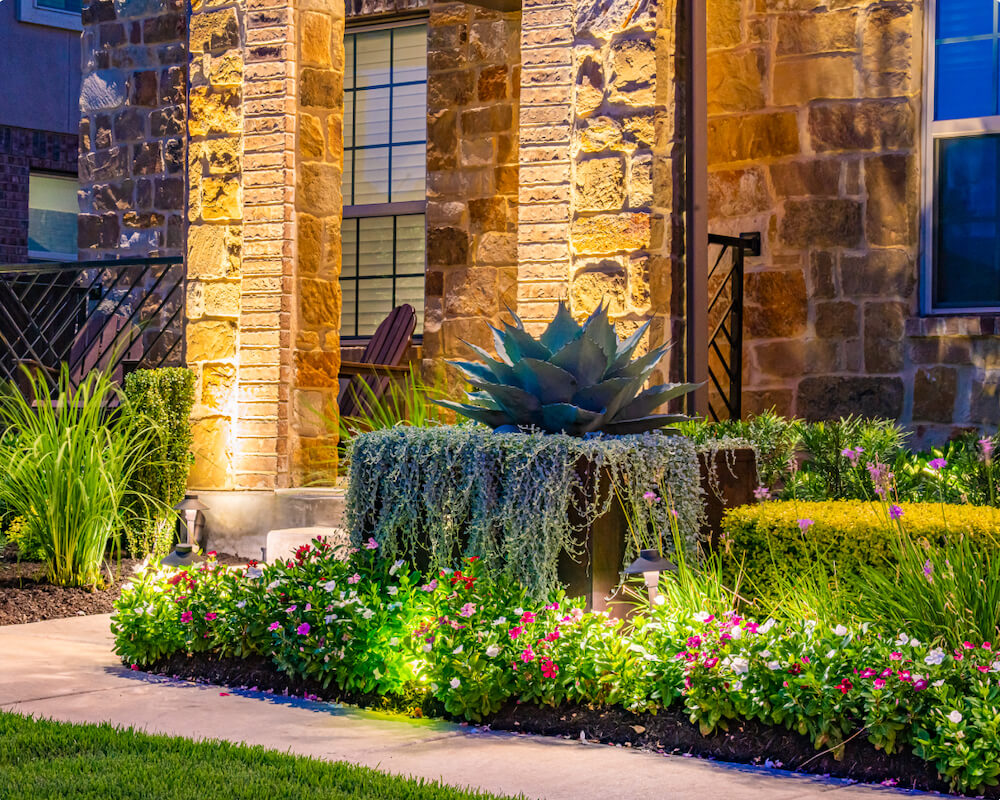
- Agave: A succulent plant with thick leaves. It needs minimal water.
- Lavender: An aromatic herb with purple flowers. It is very hardy.
- Yucca: A spiky plant with white flowers. It tolerates dry soil.
- Lantana: A colorful flowering plant. It attracts pollinators.
Drought-resistant plants reduce water usage. This is important in Texas. They also need less maintenance. This makes gardening easier.
| Plant | Type | Water Needs |
|---|---|---|
| Texas Sage | Native | Low |
| Agave | Drought-Resistant | Very Low |
| Bluebonnet | Native | Moderate |
| Lavender | Drought-Resistant | Low |
Watering Techniques
Effective watering techniques are crucial for successful gardening in Texas. The hot and dry climate demands efficient water usage. This section explores two key methods: Efficient Irrigation Systems and Rainwater Harvesting.
Efficient Irrigation Systems
Efficient irrigation systems save water and help plants thrive. Drip irrigation and soaker hoses are two popular options.
- Drip Irrigation: Delivers water directly to the plant roots. This reduces evaporation.
- Soaker Hoses: These hoses slowly release water along their length. They are perfect for garden beds.
Automating your irrigation system can further enhance efficiency. Use a timer to control watering schedules. Smart controllers adjust based on weather conditions. This ensures optimal water use.
Rainwater Harvesting
Rainwater harvesting is a sustainable way to water your garden. It reduces dependency on municipal water. Here’s how you can set up a basic system:
- Install Gutters: Ensure your roof has gutters to collect rainwater.
- Set Up a Barrel: Place a rain barrel under the downspout. This will store the water.
- Use a Filter: A filter prevents debris from entering the barrel.
Use harvested rainwater for your garden. It is free and beneficial for plants. This method is especially useful during droughts.
Combining these techniques can greatly improve your garden’s health. Efficient irrigation and rainwater harvesting are key to sustainable gardening in Texas.
Garden Layout
Designing a garden layout in Texas demands thoughtful planning. The hot climate and diverse soil types present unique challenges and opportunities. This guide will help you create a beautiful and functional garden space.
Zoning Your Garden
Dividing your garden into zones can maximize its utility. Consider creating areas for different activities and plant types.
- Relaxation Zone: Add a bench or hammock for a cozy retreat.
- Vegetable Zone: Plant vegetables in raised beds for better soil control.
- Flower Zone: Group colorful flowers to attract pollinators.
- Play Zone: Leave an open space for kids to play.
Creating Visual Interest
Visual interest keeps your garden engaging and beautiful. Use a mix of plants, textures, and heights to create a dynamic space.
- Layering Plants: Place taller plants at the back and shorter ones in front.
- Pathways: Use stone or wood chips to define walking paths.
- Water Features: Add a small fountain or birdbath for a focal point.
- Lighting: Use solar lights to illuminate pathways and features at night.
| Element | Purpose |
|---|---|
| Raised Beds | Improve soil quality and drainage |
| Mulch | Retain moisture and reduce weeds |
| Compost | Enrich soil with nutrients |
Maintenance Tips
Gardening in Texas can be challenging due to its unique climate. Proper maintenance ensures your garden thrives. Below are essential tips for keeping your Texas garden beautiful and healthy.
Pruning Best Practices
Pruning helps plants grow strong and stay healthy. It removes dead or damaged branches. Follow these tips for effective pruning:
- Use sharp, clean tools to prevent disease.
- Prune in late winter or early spring.
- Remove crossing branches to improve airflow.
- Cut just above a bud to encourage new growth.
Regular pruning also shapes your plants. This keeps your garden looking neat.
Pest Control Strategies
Pests can damage your plants and spread disease. Use these strategies to keep them at bay:
- Inspect your plants regularly to spot pests early.
- Encourage beneficial insects like ladybugs and spiders.
- Use natural remedies such as neem oil or insecticidal soap.
- Plant pest-resistant varieties to minimize problems.
Keeping your garden clean and removing debris helps reduce pest habitats.
| Pest | Natural Remedy |
|---|---|
| Aphids | Neem oil |
| Spider Mites | Insecticidal soap |
| Whiteflies | Yellow sticky traps |
By following these maintenance tips, your Texas garden will flourish.
Sustainable Practices
Gardening in Texas can be rewarding with the right sustainable practices. Using eco-friendly methods, you can create a beautiful garden. Below are some tips and tricks to help you maintain a sustainable garden.
Composting
Composting is essential for sustainable gardening. It reduces waste and enriches the soil. You can start composting with kitchen scraps and yard waste. Use a compost bin to keep it organized and tidy.
Here is a simple table to help you understand what to compost:
| Compostable Items | Non-Compostable Items |
|---|---|
| Fruit peels | Meat scraps |
| Vegetable scraps | Dairy products |
| Coffee grounds | Plastic |
| Grass clippings | Metal |
Follow these easy steps to start composting:
- Collect kitchen scraps and yard waste
- Layer brown and green materials
- Turn the compost regularly
- Keep the compost moist
Using Organic Fertilizers
Organic fertilizers improve soil health and reduce chemical use. These fertilizers release nutrients slowly, ensuring long-lasting benefits. They are safe for pets, children, and the environment.
Common types of organic fertilizers include:
- Compost
- Manure
- Bone meal
- Blood meal
- Fish emulsion
Benefits of using organic fertilizers:
- Enhance soil structure
- Increase water retention
- Promote healthy root growth
- Support beneficial microorganisms
Apply organic fertilizers according to the package instructions. This ensures optimal plant growth and soil health.
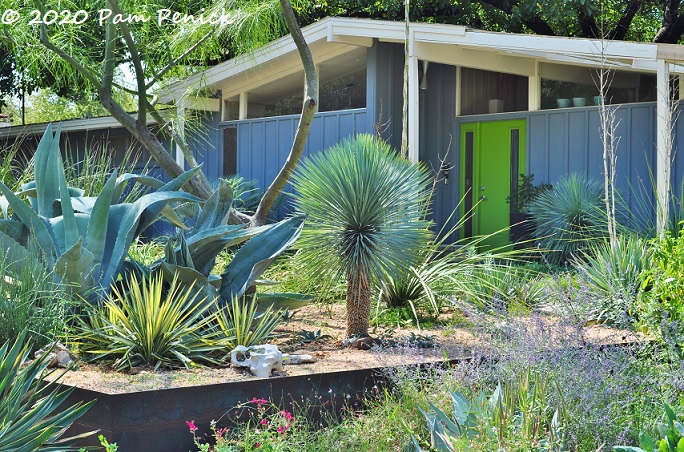
Credit: www.penick.net
Seasonal Planting
Gardening in Texas can be a rewarding experience. The state’s diverse climate allows for a variety of plants to thrive throughout the year. Understanding the best times to plant can ensure a vibrant garden all year round. Let’s delve into the ideal plants for each season.
Spring And Summer Plants
Spring and summer bring warmth and sunshine, perfect for planting colorful, sun-loving plants. Texas’ spring and summer seasons are ideal for growing a wide range of vegetables and flowers.
- Tomatoes: Plant in late spring for a summer harvest.
- Peppers: Both bell and hot peppers thrive in the heat.
- Marigolds: These flowers deter pests and add color.
- Zinnias: Bright and easy to grow, perfect for summer.
Consider using raised beds or containers for better soil control. Regular watering and mulching help retain moisture during hot Texas summers.
Fall And Winter Choices
Texas’ mild winters allow for a variety of cool-season crops and flowers. Fall is an excellent time for planting hardy plants that can withstand cooler temperatures.
- Broccoli: Plant in early fall for a winter harvest.
- Kale: Thrives in cooler weather and is very nutritious.
- Pansies: These flowers bloom throughout fall and winter.
- Snapdragons: Great for adding color to winter gardens.
Use frost cloths or row covers to protect tender plants during unexpected cold snaps. Planting in well-drained soil helps prevent root rot during wetter months.
Credit: agaveld.com
Frequently Asked Questions
What Are The 7 Steps To Landscape Design?
The 7 steps to landscape design are:1. Analyze the site. 2. Determine needs and desires. 3. Create functional diagrams. 4. Develop a design plan. 5. Select plants and materials. 6. Implement the design. 7. Maintain the landscape.
How Do You Grow A Successful Garden In Texas?
To grow a successful garden in Texas, choose drought-tolerant plants. Water deeply but infrequently. Use mulch to retain moisture. Plant during cooler months. Regularly check for pests and diseases.
What Are The 5 Basic Elements Of Landscape Design?
The 5 basic elements of landscape design are color, form, line, texture, and scale. Each element enhances the garden’s visual appeal.
How Do You Layout Plants For Landscaping?
To layout plants for landscaping, start by analyzing the space. Group plants with similar needs. Ensure proper spacing for growth. Add focal points and consider seasonal changes. Maintain balance and harmony in the design.
Conclusion
Transforming your Texas garden can be both rewarding and enjoyable. Utilize the tips and tricks shared in this post. Create a vibrant, sustainable landscape that thrives in Texas conditions. Remember, patience and creativity are key. Happy gardening!