
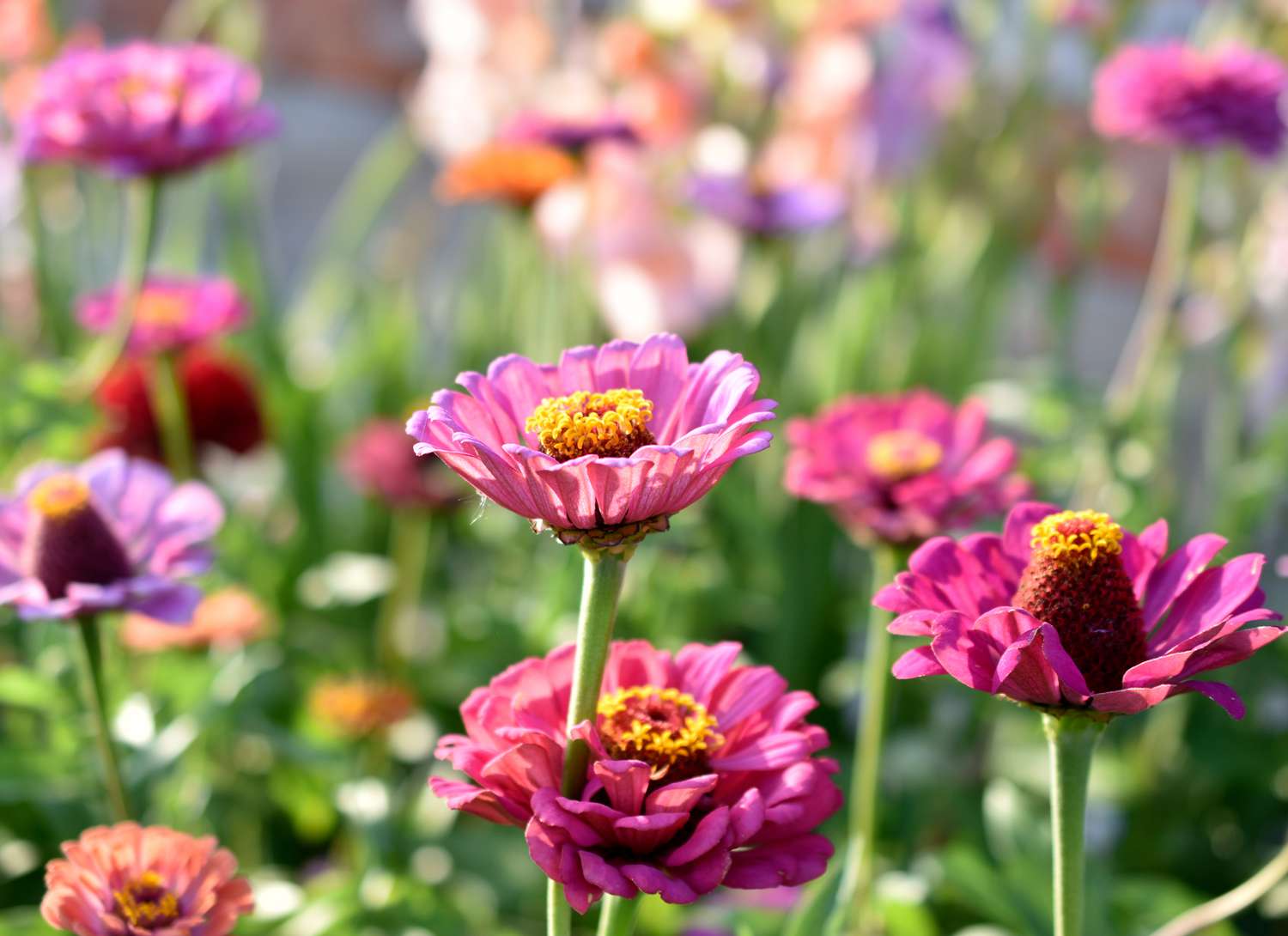
Upgrade your garden with annual flowers that thrive in full sun. These vibrant blooms bring color and life to any space.
Annual flowers for full sun are perfect for creating a lively and colorful garden. These plants are easy to grow and maintain, making them ideal for both novice and experienced gardeners. They bloom throughout the season, adding constant beauty to your outdoor space.
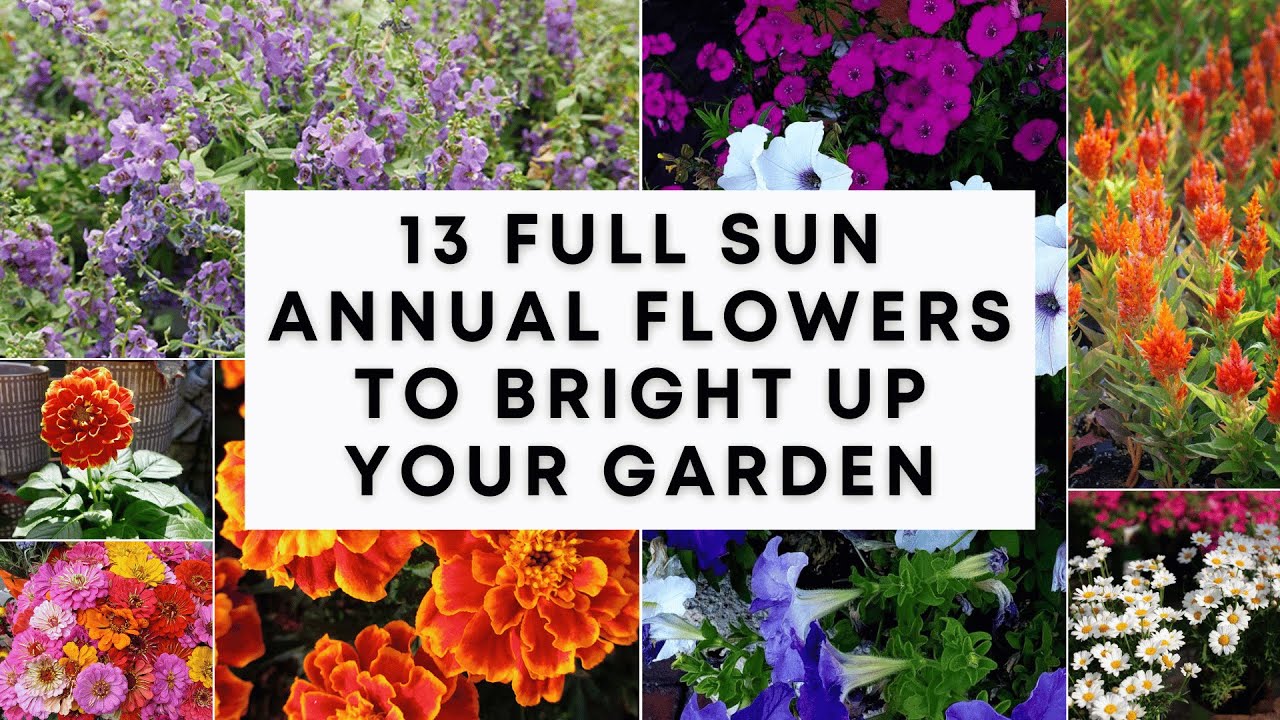
Popular choices include marigolds, petunias, and zinnias, which are known for their bright hues and resilience. To ensure your garden flourishes, choose flowers suited to your local climate and soil conditions. Regular watering and proper care will keep these annuals thriving, transforming your garden into a vibrant oasis.
Credit: www.provenwinners.com
Benefits Of Annual Flowers
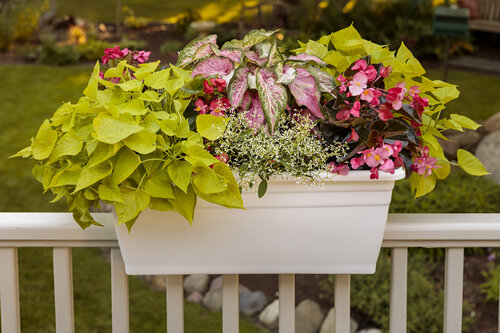
Annual flowers are a great way to upgrade your garden. They bloom all season, adding vibrant colors to your outdoor space. Here are some key benefits of planting annual flowers in your garden.
Seasonal Beauty
Annual flowers provide seasonal beauty that lasts for months. They start blooming in spring and continue until the first frost. This means you can enjoy bright, beautiful flowers all summer long.
- Vibrant Colors: Annuals come in a variety of colors.
- Variety of Species: Choose from many different types of flowers.
- Constant Blooms: Enjoy continuous blooms throughout the season.
Low Maintenance
Annual flowers are low maintenance, making them perfect for busy gardeners. They require minimal care once planted.
| Task | Frequency |
|---|---|
| Watering | Once a week |
| Fertilizing | Once a month |
| Weeding | As needed |
Annual flowers also help keep your garden looking neat. They do not require deadheading as often as perennials.
- Plant in full sun.
- Water regularly.
- Fertilize for best results.
By following these simple steps, you can enjoy a beautiful, low-maintenance garden all summer long.
Choosing The Right Flowers
Upgrading your garden with annual flowers for full sun can transform your outdoor space. Choosing the right flowers ensures vibrant blooms and a healthy garden. This section will help you pick the perfect flowers by considering climate and soil needs.
Climate Considerations
Different flowers thrive in different climates. Knowing your local climate is key. Some flowers love hot, sunny weather. Others prefer cooler temperatures. Consider these popular full sun annuals based on climate:
- Zinnias: Perfect for hot, dry climates.
- Marigolds: Thrive in warm, sunny areas.
- Petunias: Suitable for both warm and cooler climates.
Choose flowers that match your climate for the best results. Check your hardiness zone to ensure your plants will thrive.
Soil Preparation
Good soil is crucial for healthy flowers. Preparing the soil ensures your plants get the nutrients they need. Follow these steps to prepare your garden soil:
- Test the soil: Check pH levels and nutrient content.
- Amend the soil: Add compost or organic matter to improve quality.
- Ensure drainage: Make sure the soil drains well to prevent root rot.
Use a table to keep track of soil amendments:
| Soil Amendment | Purpose |
|---|---|
| Compost | Improves soil structure and fertility |
| Sand | Enhances drainage for heavy soils |
| Peat Moss | Increases moisture retention in sandy soils |
Proper soil preparation leads to healthier, more vibrant flowers. Make sure to water regularly and watch your garden flourish!
Top Annual Flowers For Full Sun
Brighten up your garden with the best annual flowers for full sun. These flowers are perfect for sunny spots and will add vibrant colors to your landscape. Explore the top choices that will thrive in the sunniest parts of your garden.
Marigolds
Marigolds are a favorite for sunny gardens. They are easy to grow and require little maintenance. Their bright yellow, orange, and red blooms can last all summer long.
- Varieties: French Marigolds, African Marigolds
- Sun Exposure: Full sun
- Soil Type: Well-drained soil
- Water Needs: Moderate
Marigolds also repel pests, making them a great choice for vegetable gardens. Plant them in borders, containers, or garden beds.
Petunias
Petunias are another excellent choice for sunny gardens. They come in a wide range of colors and patterns. Their trumpet-shaped flowers attract pollinators like bees and butterflies.
- Varieties: Grandiflora, Multiflora, Milliflora
- Sun Exposure: Full sun
- Soil Type: Well-drained soil
- Water Needs: Regular watering
Petunias can be planted in hanging baskets, window boxes, or garden beds. They provide a continuous display of blooms from spring to fall.
Planting Tips
Transform your garden with vibrant annual flowers that thrive in full sun. Follow these planting tips for a stunning display of color and beauty. Ensure you get the best results by paying attention to the timing and spacing of your plants.
Optimal Timing
Planting at the right time is crucial for success. Begin planting annual flowers after the last frost date. Check your local frost dates to know the perfect time. For most regions, late spring is ideal. Planting too early can damage the young plants.
Spacing Guidelines
Proper spacing allows flowers to grow healthily. Crowded plants compete for nutrients and sunlight. Follow these spacing guidelines for popular annual flowers:
| Flower | Spacing (in inches) |
|---|---|
| Marigold | 6-9 |
| Petunia | 12-18 |
| Zinnia | 9-12 |
| Sunflower | 18-24 |
Use a ruler or measuring tape for accuracy. Planting with the right spacing ensures each flower gets enough space to flourish.
Watering Strategies
Maintaining a vibrant garden of annual flowers in full sun requires effective watering strategies. Proper watering keeps flowers healthy and prevents wilting. Here are some strategies to keep your garden blooming beautifully.
Frequency
Watering frequency is crucial for annual flowers in full sun. Too much water can lead to root rot, while too little can cause wilting. Follow these guidelines:
- Daily Watering: During hot, dry days, water daily in the morning.
- Twice a Week: On cooler days, water about twice a week.
- Observe the Soil: Check soil moisture regularly by touching it.
Best Practices
Adopt these best practices to ensure your flowers thrive:
- Deep Watering: Water deeply to reach the root zone.
- Use Mulch: Mulch helps retain soil moisture.
- Avoid Leaves: Water the soil, not the leaves, to prevent disease.
- Morning Routine: Water in the morning to reduce evaporation.
| Practice | Benefit |
|---|---|
| Deep Watering | Promotes strong root growth |
| Use Mulch | Maintains soil moisture |
| Avoid Leaves | Reduces disease risk |
| Morning Routine | Minimizes water loss |
Credit: www.gardenia.net
Fertilization
Upgrading your garden with annual flowers for full sun requires proper fertilization. Fertilizers provide essential nutrients that help your flowers thrive. This section explores how to choose the right fertilizers and the best application methods.
Choosing Fertilizers
Choosing the right fertilizer is crucial for healthy flowers. Different flowers need different nutrients. Use a balanced fertilizer that contains nitrogen, phosphorus, and potassium. Look for a fertilizer with a 10-10-10 ratio. This means it has equal parts of each nutrient.
Organic fertilizers are also a great choice. They release nutrients slowly and improve soil health. Examples include compost, manure, and bone meal. Organic options are better for the environment too.
| Type of Fertilizer | Advantages | Disadvantages |
|---|---|---|
| Balanced (10-10-10) | Provides equal nutrients | Can be synthetic |
| Organic | Improves soil health | May have a strong odor |
Application Methods
Applying fertilizer correctly ensures your flowers get the nutrients they need. There are several methods to consider.
- Granular Fertilizers: Sprinkle around the base of the plant. Water thoroughly to help it absorb.
- Liquid Fertilizers: Mix with water and apply directly to the soil. This method provides quick nutrients.
- Slow-Release Fertilizers: Apply once or twice a season. These release nutrients over time.
Apply fertilizers early in the morning or late in the evening. Avoid midday heat to prevent burning the plants. Follow the instructions on the fertilizer package for the best results.
Pest And Disease Control
Upgrading your garden with annual flowers for full sun is exciting. Yet, pests and diseases can affect your beautiful blooms. Understanding how to manage these issues is crucial. Let’s dive into some helpful tips.
Common Pests
Several pests can target your annual flowers. Knowing them helps in quick action.
- Aphids: Tiny insects that suck sap from plants.
- Spider Mites: Small creatures that create webbing on leaves.
- Whiteflies: Small, white insects that fly when disturbed.
- Slugs and Snails: These pests eat leaves and flowers.
- Caterpillars: Larvae that chew on leaves and stems.
Preventative Measures
Preventing pests is easier than dealing with an infestation. Follow these simple steps:
- Regular Inspection: Check plants weekly for signs of pests.
- Proper Watering: Water in the morning to avoid damp conditions.
- Clean Debris: Remove fallen leaves and dead plants.
- Companion Planting: Plant herbs like basil to repel pests.
- Natural Predators: Encourage ladybugs and birds in your garden.
Below is a table summarizing the pests and their natural predators:
| Pest | Natural Predator |
|---|---|
| Aphids | Ladybugs |
| Spider Mites | Predatory Mites |
| Whiteflies | Parasitic Wasps |
| Slugs and Snails | Ground Beetles |
| Caterpillars | Birds |
By following these steps, you can enjoy a healthy, pest-free garden.
Credit: www.youtube.com
Seasonal Care
Annual flowers for full sun can brighten your garden. To keep them thriving, they need regular seasonal care. Following proper care practices ensures lush, vibrant blooms throughout the year.
Pruning Techniques
Pruning helps your flowers grow strong and healthy. Use sharp, clean tools to avoid damaging plants.
- Deadheading: Remove spent flowers to encourage more blooms.
- Pinching: Pinch off the tips to promote bushier growth.
- Thinning: Thin out crowded plants to improve air circulation.
Prune regularly for the best results. Always prune in the morning or evening, not during the heat of the day.
Winterizing
Winterizing is crucial for annual flowers in full sun. Protecting them from harsh weather ensures they thrive next season.
Follow these steps to winterize your garden:
- Remove dead or diseased plants.
- Mulch: Add a layer of mulch to insulate roots.
- Water: Water plants deeply before the first frost.
- Cover plants with frost cloths or blankets.
Check your plants regularly during winter. Ensure they are not stressed or damaged.
Frequently Asked Questions
What Is The Best Annual Flower To Plant In Full Sun?
Marigolds are the best annual flowers for full sun. They thrive in bright light and bloom all season.
How Do You Make A Flower Garden That Blooms All Year?
Plant a variety of perennial and annual flowers. Choose species with different blooming seasons. Ensure proper sunlight and soil conditions. Regularly water and fertilize your garden. Prune and deadhead flowers to encourage new blooms.
What Is The Most Heat Tolerant Annual Flower?
The most heat-tolerant annual flower is the Portulaca. It thrives in hot, sunny conditions and requires minimal water.
Can Annuals Be In Direct Sunlight?
Yes, many annuals thrive in direct sunlight. They need at least 6 hours of sunlight daily. Ensure proper watering to prevent drying out. Popular sun-loving annuals include marigolds, petunias, and zinnias.
Conclusion
Transform your garden with vibrant annual flowers for full sun. They offer stunning colors and easy maintenance. Choose varieties that thrive in sunlight. Your garden will become a bright, lively space. Enjoy the beauty and charm these flowers bring. Start planting today for a breathtaking outdoor oasis.