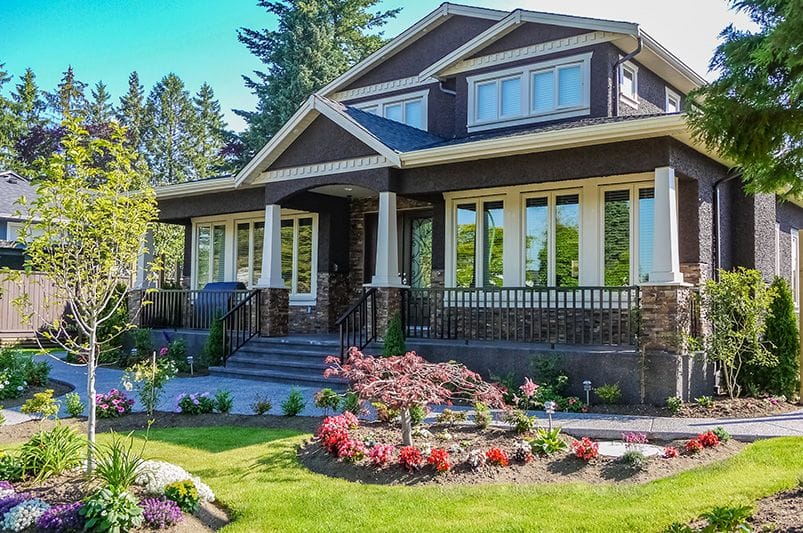
To create a climate-smart Maine landscape design, choose native plants and incorporate sustainable practices like rain gardens. This approach conserves water and enhances local biodiversity.
Climate-smart landscape design is essential for Maine’s changing environment. Native plants thrive in local conditions, reducing the need for watering and pesticides. Rain gardens help manage stormwater, preventing erosion and promoting groundwater recharge. Sustainable practices, such as composting and mulching, improve soil health and reduce waste.
By selecting perennials and shrubs, you create a low-maintenance garden that supports wildlife. Thoughtful planning, including proper plant placement and efficient irrigation, minimizes resource use. This holistic approach ensures your landscape remains beautiful and resilient, adapting to climate challenges while supporting the ecosystem.
Introduction To Climate-smart Landscaping
Creating a climate-smart landscape in Maine is essential. This approach helps to combat climate change and creates beautiful, sustainable spaces. Climate-smart landscaping focuses on conserving water, reducing waste, and supporting local ecosystems. It is crucial for maintaining a healthy environment.
The Importance Of Sustainable Design
Sustainable design is key to climate-smart landscaping. It minimizes environmental impact and maximizes resource efficiency. Here are some reasons why sustainable design is important:
- Reduces water usage
- Lowers maintenance costs
- Supports local wildlife
- Improves soil health
Using native plants and materials helps achieve these goals. They require less water and are more resilient to local conditions. Sustainable design also includes using organic fertilizers and compost. This reduces chemical runoff and promotes healthy plant growth.
Overview Of Maine’s Climate
Maine has a unique climate that influences landscape design. The state experiences cold winters and warm summers. Understanding Maine’s climate helps in selecting appropriate plants and materials.
| Season | Characteristics |
|---|---|
| Winter | Cold, snowy, with temperatures often below freezing |
| Spring | Cool, wet, with gradual warming |
| Summer | Warm, humid, with occasional heatwaves |
| Fall | Cool, dry, with colorful foliage |
Plant hardiness zones in Maine range from 3b to 6a. This diversity affects plant selection and placement. Choose plants that thrive in local conditions to ensure a successful landscape design.
Understanding these climate factors helps in creating a resilient landscape. It ensures that plants and materials can withstand Maine’s varied weather patterns.
Assessing Your Site
Creating a climate-smart landscape in Maine starts with assessing your site. Understanding your land’s unique characteristics helps in choosing the best plants. It also ensures efficient water use and soil health. Let’s dive into some key areas for assessment.
Soil Testing And Analysis
Soil testing is crucial for a thriving garden. A soil test reveals the soil’s pH level and nutrient content. Knowing these details helps you amend the soil effectively. Here are steps for soil testing:
- Collect soil samples from different areas of your garden.
- Mix the samples in a clean bucket.
- Send a sample to a local extension office for testing.
- Review the results to understand your soil’s needs.
Regular soil testing helps maintain soil health. Use organic matter and compost to enrich the soil. This promotes better plant growth and resilience.
Understanding Sunlight And Shade Patterns
Sunlight and shade patterns affect plant growth. Observe your garden throughout the day. Note which areas get full sun, partial sun, or shade. This helps in placing plants where they will thrive.
Consider the following:
- Full Sun: Areas receiving 6+ hours of direct sunlight.
- Partial Sun: Areas receiving 3-6 hours of sunlight.
- Shade: Areas receiving less than 3 hours of sunlight.
Track sunlight and shade patterns for a week. Use this information to design your garden layout. Choose plants suited to each area’s light conditions.
Understanding these patterns helps in creating a balanced landscape. It ensures all plants get the light they need to grow.
Choosing Native Plants
Creating a climate-smart landscape design in Maine involves selecting native plants. Native plants are adapted to the local environment. They require less water and maintenance. This makes them an eco-friendly choice. Let’s explore the benefits of native flora and identify top native plants for Maine.
Benefits Of Native Flora
Native flora offers numerous benefits for your landscape:
- Low Maintenance: Native plants are adapted to local conditions. They need less care.
- Water Conservation: They thrive on local rainfall. This reduces the need for extra watering.
- Wildlife Support: Native plants provide food and shelter for local wildlife.
- Disease Resistance: These plants are less prone to local pests and diseases.
- Soil Health: They help maintain and improve soil quality.
Top Native Plants For Maine
Here are some top native plants you can include in your Maine landscape:
| Plant Name | Type | Key Features |
|---|---|---|
| Eastern Red Columbine | Perennial Flower | Attracts hummingbirds, bright red flowers |
| Blue Flag Iris | Perennial Flower | Thrives in wet areas, blue-violet blooms |
| Lowbush Blueberry | Shrub | Edible berries, fall foliage |
| American Cranberrybush | Shrub | White flowers, red berries |
| White Pine | Tree | Evergreen, provides shelter for wildlife |
Incorporating these native plants will make your landscape both beautiful and sustainable. Native plants are the backbone of a climate-smart design.

Credit: joegardener.com
Water Management Strategies
Water is a precious resource. Managing it wisely in your landscape design is crucial. Here are some effective strategies to create a climate-smart Maine landscape.
Efficient Irrigation Systems
Efficient irrigation systems save water and keep plants healthy. Use drip irrigation to deliver water directly to plant roots. This method reduces water loss due to evaporation. It also minimizes runoff.
Install smart controllers for your irrigation system. These devices adjust watering schedules based on weather conditions. This ensures your plants get the right amount of water.
Consider using soaker hoses. They release water slowly and evenly. This helps the soil absorb water better. Group plants with similar water needs together. This way, you can water them more efficiently.
Rain Gardens And Swales
Rain gardens and swales are great for managing stormwater. They help reduce runoff and improve water quality.
Rain gardens are shallow depressions filled with native plants. They capture and filter rainwater. This helps recharge groundwater and reduces flooding. Native plants in rain gardens need less water and are more resilient.
Swales are shallow channels designed to slow down and capture runoff. They direct water to areas where it can infiltrate the soil. Swales can be lined with grass or other vegetation. This helps filter pollutants from the water.
Both rain gardens and swales can be decorative and functional. They enhance the beauty of your landscape while managing water efficiently.
| Feature | Benefits |
|---|---|
| Drip Irrigation | Saves water, reduces evaporation, minimizes runoff |
| Smart Controllers | Adjust watering schedules based on weather |
| Soaker Hoses | Even water distribution, better soil absorption |
| Rain Gardens | Captures and filters rainwater, recharges groundwater |
| Swales | Slows down runoff, directs water to infiltration areas |
- Group plants with similar water needs.
- Use native plants in rain gardens.
- Install smart controllers for irrigation systems.
- Consider soaker hoses for even water distribution.
- Design swales to capture and direct runoff.
Soil Health Improvement
Creating a climate-smart landscape in Maine starts with improving soil health. Healthy soil fosters plant growth and resilience. It also helps manage water effectively and sequesters carbon.
Composting Tips
Composting enriches the soil with essential nutrients. Follow these tips for effective composting:
- Choose a suitable compost bin: Select a bin that fits your space.
- Balance greens and browns: Mix equal parts of green (nitrogen-rich) and brown (carbon-rich) materials.
- Keep it moist: Water the compost to maintain a damp consistency.
- Turn it regularly: Aerate the compost by turning it every few weeks.
- Avoid meat and dairy: Stick to plant-based scraps to avoid odors.
Mulching For Moisture Retention
Mulching helps retain soil moisture, reduce weeds, and improve soil health. Here are some tips for effective mulching:
- Choose organic mulch: Use materials like straw, wood chips, or leaves.
- Apply a thick layer: Spread mulch 2-4 inches deep around plants.
- Avoid mulch contact with stems: Keep mulch a few inches away from plant stems to prevent rot.
- Replenish annually: Add new mulch each year to maintain its benefits.
Implementing these soil health improvement strategies will lead to a thriving, climate-smart Maine landscape. Healthy soil is the foundation for sustainable gardening practices.
Incorporating Hardscapes
Incorporating hardscapes into your landscape design helps create a sustainable and climate-smart garden. Hardscapes include non-living elements like walkways, patios, and retaining walls. These elements add structure and function to your garden while reducing water usage.
Sustainable Materials
Choosing sustainable materials for your hardscape projects is essential. Use recycled or locally sourced materials. These choices minimize your carbon footprint.
- Recycled concrete for walkways and patios
- Locally sourced stones for retaining walls
- Reclaimed wood for garden borders
These materials are eco-friendly and durable. They withstand Maine’s weather conditions.
Designing For Durability
Designing for durability ensures your hardscape elements last longer. This reduces maintenance and replacement costs.
- Use permeable pavers to allow water to seep through.
- Install drainage systems to prevent water pooling.
- Choose weather-resistant materials to withstand harsh winters.
These steps help maintain the integrity of your hardscape elements.
Incorporating hardscapes into your landscape design is a smart choice. It creates a functional and sustainable garden. Use these tips to enhance your Maine landscape.
Habitat Creation
Creating a climate-smart Maine landscape design involves more than just planting native species. It also includes habitat creation to support local wildlife. This section will guide you on how to attract pollinators and build bird-friendly spaces.
Attracting Pollinators
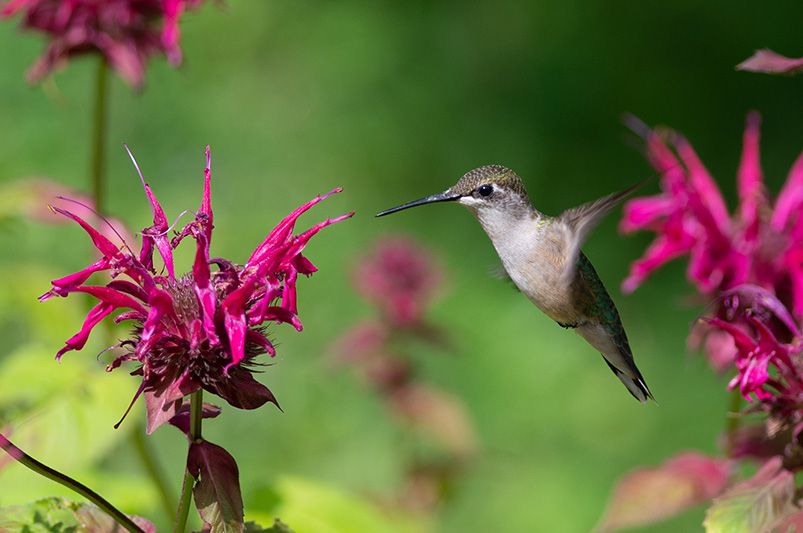
Pollinators like bees, butterflies, and hummingbirds are essential for a thriving garden. To attract them, plant a variety of native flowers that bloom throughout the year. This ensures a continuous food supply for these important creatures.
- Plant flowers like milkweed, coneflower, and goldenrod.
- Include herbs such as lavender and mint.
- Avoid using pesticides, which can harm pollinators.
Provide water sources like shallow dishes with pebbles. Pollinators need water for hydration and cooling. Create small habitat zones with dense plantings to offer shelter.
Building Bird-friendly Spaces
Birds help control pests and add life to your garden. To make your landscape bird-friendly, consider planting a mix of trees and shrubs that provide food and shelter.
- Include berry-producing plants like serviceberry and elderberry.
- Plant evergreen trees for year-round shelter.
- Install bird feeders and birdbaths.
Ensure that your birdbaths are shallow and clean them regularly. Birds need clean water to drink and bathe. Adding nesting boxes can encourage birds to make your garden their home.
Here’s a simple table to help you choose the right plants:
| Plant Type | Pollinator-Friendly | Bird-Friendly |
|---|---|---|
| Milkweed | Yes | No |
| Serviceberry | No | Yes |
| Lavender | Yes | No |
| Elderberry | No | Yes |
By focusing on habitat creation, you can support local wildlife and enhance your garden’s health and beauty.
Credit: www.shrubhub.com
Maintenance Best Practices
Creating a climate-smart landscape in Maine requires thoughtful maintenance. Proper care helps your garden thrive. Follow these best practices to ensure your landscape stays healthy and beautiful year-round.
Seasonal Care Routines
Maine’s climate varies across seasons. Adapting care routines is essential. Here’s a seasonal guide:
| Season | Care Tips |
|---|---|
| Spring | Clean up debris. Prune dead branches. Start planting native species. |
| Summer | Water plants deeply. Mulch to retain moisture. Watch for pests. |
| Fall | Collect fallen leaves. Plant cover crops. Prepare plants for winter. |
| Winter | Protect plants with burlap. Avoid salt damage. Plan for spring. |
Eco-friendly Pest Control
Pests can damage your landscape. Eco-friendly methods protect plants without harming the environment. Here are some tips:
- Introduce Beneficial Insects: Ladybugs and lacewings eat harmful pests.
- Use Neem Oil: This natural oil deters many insects.
- Companion Planting: Some plants repel pests. Plant marigolds to deter aphids.
- Physical Barriers: Use nets or row covers to protect plants.
- Homemade Sprays: Mix water with dish soap to spray on pests.
These methods are effective and safe for the environment.
Community And Resources
Creating a climate-smart landscape in Maine involves utilizing local community resources. Connecting with gardening groups and attending educational workshops can significantly enhance your efforts.
Local Gardening Groups
Local gardening groups are a valuable resource for any aspiring landscaper. These groups provide a wealth of knowledge and practical tips. You can learn from experienced gardeners who understand Maine’s unique climate.
- Networking Opportunities: Meet like-minded individuals passionate about sustainable gardening.
- Shared Resources: Exchange seeds, plants, and tools within the group.
- Support System: Get advice and moral support from fellow gardeners.
Educational Workshops
Educational workshops offer hands-on learning experiences. They cover various topics, from soil health to water conservation. These workshops often feature expert speakers and practical demonstrations.
- Soil Health Workshops: Learn how to improve soil quality.
- Water Conservation: Discover efficient irrigation techniques.
- Native Plants: Understand the benefits of using native plants.
Incorporating knowledge from these resources can lead to a thriving, climate-smart landscape. Always stay engaged with your local community to keep learning and improving.

Credit: www.gensler.com
Frequently Asked Questions
How To Design A Sustainable Landscape?
To design a sustainable landscape, choose native plants, reduce lawn areas, use compost, install rainwater systems, and incorporate energy-efficient lighting.
How Do You Draw A Landscape Plan?
Start by measuring the area. Sketch the layout, including existing structures. Add plants, paths, and features. Use symbols for clarity. Finalize with labels and notes.
How Does Climate Affect Landscape Design?
Climate impacts plant selection, water usage, and overall landscape design. Hot climates need drought-resistant plants, while cold climates require hardy species. Proper irrigation planning is crucial.
What Is An Environmental Landscape?
An environmental landscape is a designed outdoor space that integrates natural elements to promote ecological balance and sustainability.
Conclusion
Creating a climate-smart Maine landscape design is crucial for sustainability. Follow these tips to protect the environment. Embrace native plants, efficient irrigation, and thoughtful planning. Your landscape will thrive and contribute positively to the ecosystem. Start today and enjoy the benefits of a greener, smarter landscape.