
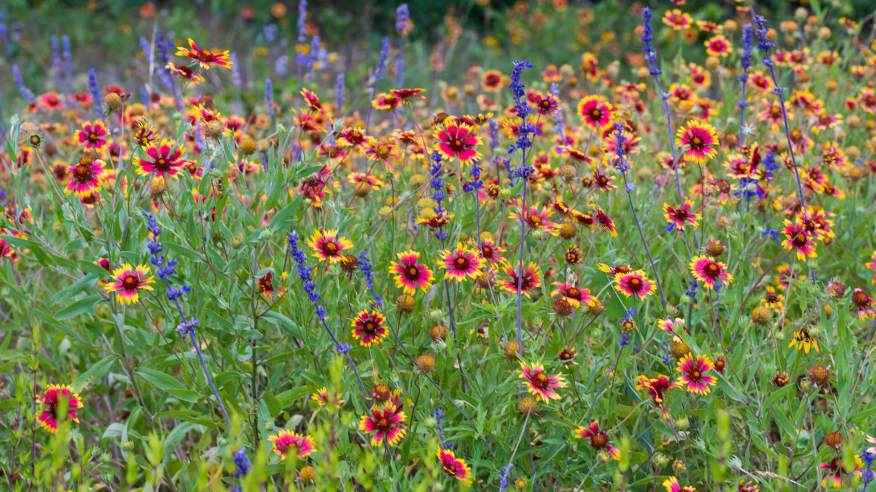
Rewilding your yard with native plants promotes biodiversity and supports thriving ecosystems. It creates a sustainable, low-maintenance garden.
Rewilding involves replacing traditional lawns with native plants that naturally thrive in your region. Native plants require less water, fertilizers, and pesticides, making them eco-friendly. They attract and support local wildlife, including birds, butterflies, and beneficial insects. This method not only enhances the beauty of your garden but also contributes to environmental conservation.
By creating a habitat for native species, you help restore the balance of local ecosystems. This approach fosters a healthier environment and can reduce garden maintenance costs. Embrace rewilding to transform your yard into a vibrant, sustainable oasis.

Credit: yardzen.com
Introduction To Rewilding
Rewilding your yard transforms it into a thriving ecosystem. This process involves planting native plants and encouraging wildlife. By doing so, you create a balanced environment that supports biodiversity.
Concept Of Rewilding
Rewilding means restoring natural habitats by using native plants. These plants are well-suited to your local climate and soil. They require less water and maintenance. This approach helps local wildlife thrive. Birds, bees, and butterflies return to your yard. You create a mini-ecosystem that benefits the environment.
Benefits Of Native Plants
Native plants offer many benefits:
- Low Maintenance: They need less water and care.
- Support Wildlife: They provide food and shelter.
- Improve Soil: Their roots prevent erosion.
- Save Money: Less water and fewer chemicals are needed.
Native plants are adapted to your local environment. This means they can survive extreme weather. They also resist pests and diseases better than non-native plants. By planting native species, you help the planet and your wallet.
| Native Plant | Attracts | Benefits |
|---|---|---|
| Milkweed | Butterflies | Supports Monarchs |
| Oak Tree | Birds | Provides Habitat |
| Goldenrod | Bees | Pollinates Crops |
Start small with a corner of your yard. Gradually add more native plants. Soon, you’ll see the benefits of rewilding your yard.
Credit: www.shrubhub.com
Planning Your Rewilding Project
Rewilding your yard with native plants creates a thriving ecosystem. It requires thoughtful planning. This section helps you begin your rewilding journey with confidence.
Assessing Your Yard
Start by understanding your yard’s current state. This includes:
- Soil type: Is your soil sandy, clay, or loamy?
- Sunlight: Which areas get full sun, partial sun, or shade?
- Water sources: Do you have natural water sources or need irrigation?
Use this information to choose plants suited to your yard’s conditions. A soil test can be helpful. It provides detailed information about nutrients and pH levels. Below is a simple table for soil types and suitable plants:
| Soil Type | Suitable Plants |
|---|---|
| Sandy | Grasses, Wildflowers |
| Clay | Ferns, Shrubs |
| Loamy | Trees, Perennials |
Setting Goals
Define what you want to achieve with your rewilding project. Here are some goals to consider:
- Increase biodiversity: Attract more birds, bees, and butterflies.
- Reduce maintenance: Less mowing, watering, and weeding.
- Improve soil health: Use compost and mulch.
Set specific and measurable goals. For example, “Plant 10 native species this year.” Clear goals guide your actions and measure progress.
Remember, rewilding is a journey, not a race. Enjoy the process and watch your yard transform into a vibrant, natural haven.
Choosing Native Plants
Choosing native plants is the first step in rewilding your yard. Native plants support local wildlife and create thriving ecosystems. They are adapted to your local climate and soil. This makes them easier to grow and maintain.
Identifying Local Species
Identify which plants are native to your area. Research online or visit a local nursery. You can also contact local gardening clubs for advice. Native plants vary by region, so it’s important to get accurate information.
- Check online databases like the USDA Plant Database.
- Visit local botanical gardens for plant guides.
- Talk to local experts for recommendations.
Make a list of native plants you want to include. Choose a variety of species for diversity. This will help support a range of local wildlife.
Sourcing Native Plants
Once you’ve identified local species, the next step is sourcing them. You have several options for finding native plants.
| Source | Benefits |
|---|---|
| Local Nurseries | Offer a range of native plants. Staff can provide expert advice. |
| Online Retailers | Convenient and often have extensive catalogs. |
| Plant Sales and Swaps | Great for finding rare species. Support local growers. |
Ensure the plants are pesticide-free. This is crucial for creating a safe habitat. Look for organic or sustainably grown options.
Buying locally helps support your community. It also ensures the plants are suited to your local conditions.
Consider growing native plants from seeds. This is a cost-effective option. It also allows you to start plants indoors and transplant them later.
- Order seeds from reputable suppliers.
- Start seeds indoors in seed trays.
- Transplant seedlings to your yard when they’re ready.
Choose a variety of plants for different seasons. This ensures that your yard provides food and shelter year-round. Your efforts will create a vibrant, thriving ecosystem.
Credit: www.shrubhub.com
Preparing The Soil
Preparing the soil is the first step in rewilding your yard. Healthy soil helps native plants grow strong. It also supports thriving ecosystems. Let’s explore how to test and improve your soil.
Testing Soil Health
Testing soil health is crucial. You need to know your soil’s pH level. This tells you if the soil is acidic or alkaline. Most native plants prefer slightly acidic soil. You can buy a soil test kit online or at a garden center.
Here is how you can test your soil:
- Collect soil samples from different areas of your yard.
- Mix the samples together in a clean container.
- Follow the instructions on your soil test kit.
Testing your soil also shows nutrient levels. Important nutrients include nitrogen, phosphorus, and potassium. These nutrients help plants grow.
Improving Soil Quality
Improving soil quality makes it easier for plants to thrive. Start by removing weeds and debris. Weeds compete with native plants for nutrients and water.
Next, add organic matter to your soil. Organic matter includes compost, leaf litter, and grass clippings. These materials improve soil structure and add nutrients.
Here is a simple table showing the benefits of different organic materials:
| Organic Material | Benefits |
|---|---|
| Compost | Enriches soil, improves drainage |
| Leaf Litter | Retains moisture, adds nutrients |
| Grass Clippings | Boosts nitrogen, suppresses weeds |
Mulching is another effective way to improve soil quality. Mulch keeps the soil moist and cool. It also prevents weed growth. Use wood chips or straw as mulch.
Finally, consider using cover crops. Cover crops like clover and rye add nutrients and prevent erosion. They also attract beneficial insects.
Planting Techniques
Rewilding your yard with native plants can create a thriving ecosystem. Using the right planting techniques ensures your garden flourishes. Here’s how to get started with optimal planting times, watering, and mulching.
Optimal Planting Times
Planting at the right time maximizes growth and survival. Native plants usually thrive when planted during specific seasons.
- Spring: Many plants establish roots before summer heat.
- Fall: Cooler temperatures and rain help young plants grow.
- Winter: Some plants need cold to break dormancy.
Check local guidelines for best planting times for your area. Timing ensures your plants adapt well to their environment.
Watering And Mulching
Proper watering and mulching techniques are vital for plant health. They help retain moisture and protect roots.
Use these tips for effective watering:
- Deep Watering: Water deeply to encourage root growth.
- Morning Watering: Morning watering reduces evaporation.
- Consistent Schedule: Water regularly, especially in dry periods.
Mulching helps retain soil moisture and control weeds:
- Use organic mulch like straw or wood chips.
- Apply a 2-3 inch layer around plants.
- Keep mulch away from plant stems to prevent rot.
These techniques create a stable environment for your native plants.
Creating Habitats
Creating a vibrant habitat in your yard promotes thriving ecosystems. By rewilding with native plants, you support local wildlife. This section will guide you on creating habitats that benefit your local environment.
Attracting Pollinators
Pollinators are vital for a healthy garden. They help plants reproduce and ensure biodiversity. Consider these steps to attract pollinators:
- Plant native flowers: Choose varieties that bloom at different times.
- Avoid pesticides: They harm beneficial insects like bees and butterflies.
- Provide water sources: A shallow dish with pebbles can be a great addition.
Creating a pollinator-friendly yard enhances the ecosystem. Bees, butterflies, and birds will thrive in your garden.
Providing Shelter
Wildlife needs safe places to live and hide. Native plants offer excellent shelter for many creatures. Here are ways to provide shelter:
- Plant dense shrubs: They offer cover for small animals.
- Leave leaf litter: It provides habitat for insects and small mammals.
- Install birdhouses: Birds need safe nesting spots.
Creating shelter in your yard supports diverse wildlife. Small animals, insects, and birds will find safe spaces to live.
Benefits of Rewilding Your Yard:
| Benefit | Description |
|---|---|
| Increased Biodiversity | Supports a variety of species and strengthens the ecosystem. |
| Better Soil Health | Native plants improve soil structure and fertility. |
| Water Conservation | Native plants often require less water than non-native species. |
Rewilding your yard creates a thriving habitat and supports local wildlife.
Maintaining Your Rewilded Yard
Rewilding your yard with native plants creates a thriving ecosystem. Maintaining this environment ensures it remains healthy and vibrant. Regular care helps preserve the natural beauty and ecological balance.
Sustainable Practices
Adopt sustainable practices to keep your yard eco-friendly. Use compost and organic fertilizers to nourish the soil. Avoid chemical pesticides as they harm beneficial insects.
Consider setting up a rainwater collection system. This helps conserve water and supports your native plants. Mulching is another excellent practice. It retains soil moisture and suppresses weeds.
Plant a variety of native species. This encourages biodiversity and resilience. Native plants adapt better to local conditions, requiring less maintenance.
Remember to prune and trim plants regularly. This promotes healthy growth and prevents overcrowding.
Pest Management
Effective pest management is crucial for a thriving yard. Encourage natural predators like birds and ladybugs. These help control pest populations naturally.
Introduce beneficial insects such as bees and butterflies. They play a vital role in pollination and pest control.
Use companion planting techniques. Some plants repel pests naturally. For example, marigolds deter aphids and nematodes.
If pests become a problem, use organic solutions. Neem oil and insecticidal soap are safe and effective options.
Maintain plant health by ensuring proper watering and sunlight. Healthy plants are more resistant to pests and diseases.
| Sustainable Practice | Benefit |
|---|---|
| Composting | Enriches soil naturally |
| Rainwater Collection | Conserves water |
| Mulching | Retains soil moisture |
| Pruning | Promotes healthy growth |
Maintaining your rewilded yard requires dedication. Sustainable practices and effective pest management are key. Enjoy the beauty and benefits of your thriving ecosystem.
Community And Education
Rewilding your yard with native plants benefits the environment. It also strengthens your community and promotes learning. Engage your neighbors and share educational resources to make this journey more rewarding. Together, you can create thriving ecosystems.
Involving Neighbors
Invite your neighbors to join your rewilding efforts. Host small gatherings to discuss the benefits of native plants. Show them how native plants support local wildlife and reduce maintenance. Share plants and seeds to get everyone started. Work together on community garden projects. This creates a sense of unity and shared purpose.
- Host workshops to educate neighbors.
- Share native plant seeds and cuttings.
- Create a community garden space.
- Organize neighborhood clean-up events.
Educational Resources
Access to educational resources is crucial for successful rewilding. Provide your community with books, websites, and local expert contacts. Create a shared library of resources. Host educational events with guest speakers. Share online courses and webinars. Encourage learning and sharing of knowledge.
| Resource | Description | Link |
|---|---|---|
| Local Extension Office | Expert advice on native plants. | Visit Here |
| Online Native Plant Database | Comprehensive plant information. | Visit Here |
| Community Workshops | Hands-on learning experiences. | Visit Here |
Involving your neighbors and sharing educational resources can make rewilding your yard a community effort. It not only enhances your local ecosystem but also fosters a sense of community and shared responsibility.
Long-term Benefits
Rewilding your yard with native plants creates a thriving ecosystem. This offers many long-term benefits for both the environment and your personal space. Let’s explore how this practice can significantly improve biodiversity and climate resilience.
Biodiversity Increase
Rewilding your yard supports local wildlife. Native plants attract birds, insects, and small animals. This creates a balanced ecosystem. More species in your yard means more pollinators. Pollinators help your garden thrive.
Consider planting a variety of native species. This ensures that different animals can find food and shelter. Use the table below to see some examples:
| Plant | Attracts |
|---|---|
| Milkweed | Monarch Butterflies |
| Goldenrod | Bees |
| Oak Trees | Birds and Squirrels |
More biodiversity means a healthier yard. It also helps combat pests naturally. Birds and insects keep pests in check. This reduces the need for chemical pesticides.
Climate Resilience
Native plants are adapted to your local climate. They need less water and care. This makes your garden more sustainable. During droughts, native plants survive better than non-native species.
Using native plants also helps reduce soil erosion. Their roots hold the soil in place. This prevents loss of nutrients and keeps your yard fertile.
Here are some key climate resilience benefits:
- Drought Tolerance: Native plants require less water.
- Soil Health: Strong roots prevent erosion.
- Less Maintenance: Native plants need less upkeep.
Creating a climate-resilient yard saves you time and resources. It also helps the environment by conserving water and reducing the need for fertilizers.
Frequently Asked Questions
Why Is Rewilding Controversial?
Rewilding is controversial due to potential conflicts with land use, local economies, and existing wildlife. Critics worry about unforeseen ecological impacts.
What Is Rewilding A Yard?
Rewilding a yard involves restoring it to a natural state. It promotes native plants, wildlife, and biodiversity. This process reduces maintenance and supports local ecosystems.
What Are The Best Plants For Rewilding?
Native grasses, wildflowers, shrubs, and trees are ideal for rewilding. Consider species like oak, willow, and wild rose.
How Do Native Plants Help The Ecosystem?
Native plants support the ecosystem by providing habitat for wildlife. They stabilize soil, prevent erosion, and improve water quality. Native plants require less water and maintenance. They also support local pollinators like bees and butterflies. These plants enhance biodiversity and resilience to climate change.
Conclusion
Transform your yard into a haven for native plants. Support local wildlife and create thriving ecosystems. Embrace rewilding and enjoy a vibrant, sustainable garden. Your efforts will benefit the environment and enhance your outdoor space. Start small, make a big impact, and watch nature flourish in your backyard.