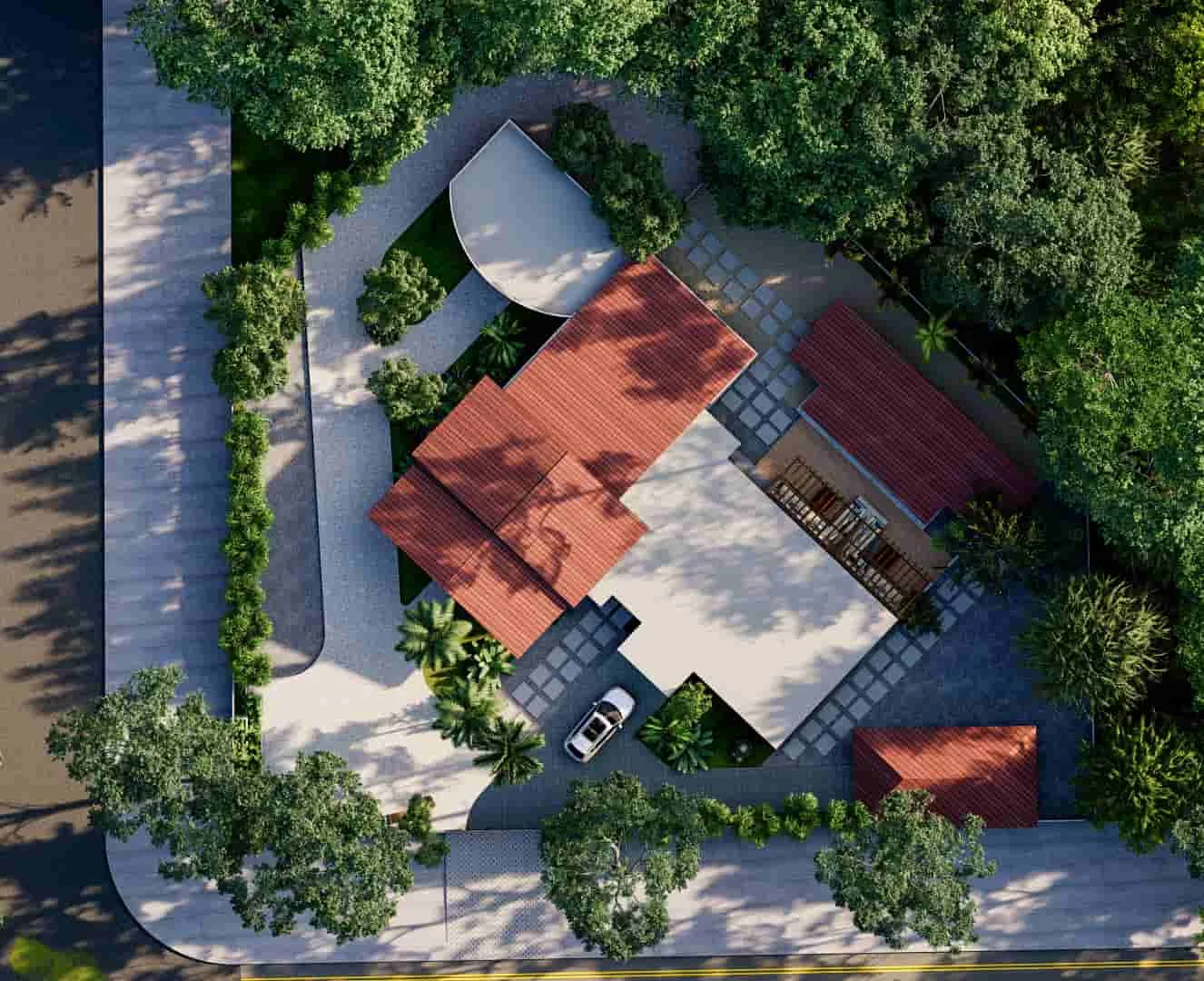
Elements of landscape design include line, form, texture, color, and scale. These components create visually appealing and functional outdoor spaces.
Landscape design blends artistry and functionality to transform outdoor environments. Line guides the viewer’s eye and defines spaces, while form provides structure and shape. Texture adds depth and contrast, enhancing visual interest. Color influences mood and highlights focal points, creating harmony or contrast.
Scale ensures balance and proportion, making spaces feel inviting and cohesive. Understanding these elements allows designers to craft stunning landscapes that meet aesthetic and practical needs. Thoughtful application of these principles results in outdoor areas that are both beautiful and functional, enhancing the overall living experience.
The Essence Of Landscape Design
Landscape design is both an art and a science. It blends creativity with practical elements. The essence of landscape design lies in creating spaces that are both beautiful and functional. This balance ensures that outdoor areas are not just visually appealing but also serve a purpose.
Balancing Aesthetics And Functionality
Every element in landscape design should serve a dual purpose. It must look good and be useful. For example, a garden path should lead somewhere important. It should also enhance the garden’s beauty. This balance ensures that spaces are enjoyable and practical.
Consider planting trees that provide shade. These trees should also add beauty to the yard. Using native plants can reduce maintenance and attract wildlife. This approach ensures that the garden thrives with minimal effort.
| Element | Aesthetic Value | Functional Value |
|---|---|---|
| Garden Path | Enhances visual appeal | Leads to key areas |
| Trees | Adds beauty | Provides shade |
| Native Plants | Attractive | Low maintenance |
Embracing The Natural Environment
Working with nature is crucial in landscape design. It ensures that the garden looks natural and sustainable. Use plants that thrive in the local climate. They will require less water and care. This helps in maintaining the garden easily.
Consider using rocks and stones found in the area. These elements blend well with the surroundings. They add a natural touch to the design. Using local materials also reduces costs and supports the environment.
- Choose native plants.
- Use local materials.
- Design with the climate in mind.
Integrating the natural environment into landscape design creates harmony. It results in spaces that are both beautiful and sustainable.
Key Principles Guiding Landscape Layout
The art of landscape design combines nature and culture. To create a beautiful garden, certain principles guide the design. These principles ensure a balanced and harmonious outdoor space. Let’s explore these key principles.
Unity And Harmony
Unity and harmony connect all parts of the landscape. This principle ensures that everything in the garden works together. Use similar colors, shapes, and textures to create unity. Grouping plants with the same needs also adds harmony. Think of the garden as one big picture where everything fits.
Scale And Proportion
Scale and proportion relate to the size of objects in the landscape. Large trees should not overshadow small plants. Use a mix of small, medium, and large plants. This creates a balanced view. Furniture and decorations should match the garden’s size. Proper scale makes the garden feel comfortable.
Balance And Symmetry
Balance and symmetry provide stability in the landscape. There are two types of balance: symmetrical and asymmetrical.
| Type | Description |
|---|---|
| Symmetrical | Both sides of the garden are the same. This creates a formal look. |
| Asymmetrical | Different elements balance each other. This gives a natural and relaxed feel. |
Use these types to create visual interest. Balance ensures no part of the garden feels too heavy or too empty.
Starting With A Solid Plan
Creating a beautiful landscape begins with a solid plan. A detailed plan ensures that all elements work together seamlessly. It helps avoid costly mistakes and saves time.
Site Analysis And Assessment
First, evaluate the site’s current state. Consider the soil quality, sunlight, and existing plants. Identify areas with poor drainage or erosion. Note any structures, paths, or utilities that could impact your design.
| Factors | Details |
|---|---|
| Soil Quality | Check for nutrient levels and pH balance |
| Sunlight | Track sun exposure throughout the day |
| Drainage | Identify areas with standing water |
Defining Objectives And User Needs
Next, define the goals for your landscape. Consider who will use the space and how. Do you want a garden for vegetables or a playground for kids? List all your objectives clearly.
- Family Needs: Safe play areas for children
- Gardening Goals: Space for flowers and vegetables
- Relaxation: Comfortable seating areas
Set priorities among your objectives. This helps in making decisions during the design process. Align your goals with the site’s capabilities for a successful landscape design.
The Role Of Plants In Landscaping
Plants are the heart of any landscape design. They bring life, color, and texture to outdoor spaces. With the right selection, plants can transform an ordinary yard into a lush paradise.
Selection Criteria
Choosing the right plants is crucial. Here are some key factors:
- Climate Compatibility: Select plants that thrive in your local climate.
- Soil Type: Ensure the soil supports the plant’s growth.
- Maintenance Level: Decide how much care the plants will need.
- Sunlight Requirements: Match plants to the available sunlight.
Color, Texture, And Form
Plants offer a variety of colors, textures, and forms. These elements enhance the landscape’s visual appeal.
Color: Use flowers and foliage to create vibrant displays. Mix and match colors for a dynamic look.
Texture: Combine plants with different leaf textures. This adds depth and interest.
Form: Select plants with diverse shapes. Incorporate round, spiky, and cascading forms for variety.
Seasonal Variation And Interest
Plants can provide year-round interest. Here’s how to plan for each season:
| Season | Plant Features |
|---|---|
| Spring | Bright blooms and fresh foliage |
| Summer | Full blooms and lush growth |
| Autumn | Colorful leaves and late blooms |
| Winter | Evergreens and interesting bark |
By considering these factors, you can create a landscape that is beautiful throughout the year.
Incorporating Hardscape Elements
Hardscape elements add structure and functionality to your landscape design. These features include pathways, walls, fences, water features, and sculptures. They can transform a basic garden into a stunning outdoor space. Read on to discover how to incorporate these elements effectively.
Paths And Walkways
Paths and walkways guide visitors through your garden. They create a flow that leads from one area to another. Materials like stone, brick, or concrete are often used. Choose materials that match your overall landscape design.
- Stone paths offer a natural look.
- Brick walkways provide a classic appearance.
- Concrete paths are durable and versatile.
Walls And Fences
Walls and fences offer privacy and define boundaries. They can also serve as decorative elements. Materials include wood, metal, and stone. Select materials that complement your garden’s style.
- Wooden fences give a rustic feel.
- Metal fences are modern and sleek.
- Stone walls add a touch of elegance.
Water Features And Sculptures
Water features and sculptures add a focal point to your garden. Water elements like fountains and ponds bring tranquility. Sculptures can be artistic or whimsical. Both elements enhance the visual appeal.
- Fountains create soothing sounds.
- Ponds attract wildlife.
- Sculptures express personal style.
Lighting And Its Impact
Lighting is a key element in landscape design. It enhances beauty and functionality. Well-planned lighting transforms outdoor spaces. It adds safety, highlights features, and creates ambiance. Let’s explore its impact in detail.
Safety And Security
Outdoor lighting improves safety and security. Paths and steps become visible. It reduces the risk of trips and falls. Lights deter intruders by eliminating dark spots. Homeowners feel safer.
- Path lights guide the way.
- Motion sensors detect movement.
- Wall lights brighten entry points.
Accentuating Features
Lighting accentuates landscape features. Trees, statues, and water elements stand out. Spotlights highlight focal points. Uplights create dramatic effects.
| Feature | Lighting Type |
|---|---|
| Trees | Uplights |
| Statues | Spotlights |
| Water Features | Underwater Lights |
Creating Ambiance
Lighting sets the mood in outdoor spaces. Soft lights create a cozy atmosphere. String lights add a festive touch. Candles and lanterns bring warmth.
- Use dimmers for adjustable light levels.
- Choose warm-colored bulbs for a relaxing feel.
- Combine different light sources for variety.
In landscape design, lighting is essential. It enhances safety, highlights features, and creates ambiance. Thoughtful lighting transforms outdoor spaces.
Sustainability In Landscape Design
Creating a sustainable landscape is crucial for the environment. Sustainable designs reduce waste and conserve resources. They promote biodiversity and help the planet. Let’s explore some key elements of sustainability in landscape design.
Water Conservation Strategies
Water is a precious resource. Conserving water in your landscape is vital. Here are some strategies:
- Drip Irrigation: Delivers water directly to plant roots. Reduces evaporation and runoff.
- Rain Barrels: Collect and store rainwater for later use. Easy to install and maintain.
- Xeriscaping: Uses drought-tolerant plants. Requires less water and maintenance.
Native Plantings
Native plants are adapted to local conditions. They need less water, fertilizer, and pesticides. Benefits of native plantings include:
- Low Maintenance: Native plants thrive in local soil and climate.
- Biodiversity: Support local wildlife and pollinators.
- Cost-Effective: Reduce the need for watering and chemicals.
Eco-friendly Materials
Using eco-friendly materials in your landscape design is essential. These materials reduce environmental impact. Some examples are:
| Material | Benefits |
|---|---|
| Recycled Wood: | Reduces deforestation. Gives new life to old materials. |
| Permeable Pavers: | Allow water to filter through. Reduce runoff and erosion. |
| Natural Stone: | Durable and long-lasting. Blends well with the environment. |
Maintenance Considerations
Designing a beautiful landscape is just the first step. Ensuring it stays stunning requires regular maintenance. Understanding the different aspects of upkeep can help you keep your landscape vibrant and healthy year-round.
Ease Of Upkeep
Choosing low-maintenance plants can save you time and energy. Look for plants that thrive in your climate. Native plants often need less water and care. Consider installing automatic irrigation systems. These systems water your plants efficiently. Mulching helps retain moisture and reduces weeds.
A simple garden design with fewer plant types can also cut down on chores. Group plants with similar needs together. This makes watering and feeding easier.
Seasonal Adjustments
Your landscape will change with the seasons. Spring and summer need more watering and trimming. In fall, focus on cleaning fallen leaves and preparing for winter.
A seasonal checklist can be very helpful.
| Season | Tasks |
|---|---|
| Spring | Plant new flowers, trim bushes, check irrigation |
| Summer | Water regularly, mow lawn, deadhead flowers |
| Fall | Rake leaves, prune trees, mulch garden beds |
| Winter | Protect plants, remove snow, plan for spring |
Long-term Growth Planning
Think about how your plants will grow over time. Trees and shrubs can become very large. Plan for their mature size to avoid overcrowding.
Use a mix of perennials and annuals for continuous bloom. Perennials return each year, while annuals add seasonal color. Regularly update your garden layout to keep it fresh.
Consider the lifespan of your plants. Some may need replacing after a few years. Create a schedule for planting and replacing. This ensures your landscape stays lively and attractive.
Innovations And Trends
Landscape design is evolving rapidly. New trends and technologies are transforming outdoor spaces. Let’s explore the latest innovations in landscape design.
Technological Advancements
Technology is revolutionizing landscape design. Smart irrigation systems save water and keep plants healthy. They adjust water levels based on weather data. Drones offer aerial views for better planning. Designers can see the entire area from above. 3D printing allows for custom garden decorations. Create unique sculptures and garden elements easily.
Emerging Design Concepts
New design concepts are reshaping landscapes. Edible gardens are gaining popularity. People love growing their own food. Native plantings are another trend. These plants require less maintenance and support local wildlife. Sustainable landscaping focuses on eco-friendly practices. It includes rain gardens and green roofs.
The Future Of Outdoor Spaces
Outdoor spaces are becoming more functional and beautiful. Multi-use areas combine play, relaxation, and dining. Biophilic design connects people with nature. It includes natural elements like water features and plants. Outdoor tech integration is on the rise. Smart lighting and sound systems enhance the outdoor experience.
| Trend | Description |
|---|---|
| Smart Irrigation | Saves water and adjusts to weather |
| Drones | Provides aerial views for planning |
| 3D Printing | Creates custom garden decorations |
| Edible Gardens | Allows people to grow their own food |
| Native Plantings | Supports local wildlife and requires less maintenance |
| Sustainable Landscaping | Focuses on eco-friendly practices |
| Multi-use Areas | Combines play, relaxation, and dining |
| Biophilic Design | Connects people with nature |
| Outdoor Tech Integration | Enhances the outdoor experience |
- Smart Irrigation
- Drones for Planning
- 3D Printing in Gardens
- Edible Gardens
- Native Plantings
- Sustainable Practices
- Multi-use Outdoor Areas
- Biophilic Design
- Outdoor Tech Integration
- Save water with smart irrigation.
- Plan better with drone views.
- Create unique decorations with 3D printing.
- Grow your own food with edible gardens.
- Support wildlife with native plantings.
- Use sustainable landscaping practices.
- Combine functions in multi-use areas.
- Connect with nature through biophilic design.
- Enhance your space with outdoor tech.
Case Studies Of Exceptional Designs
Landscape design can transform spaces into stunning works of art. By studying exceptional designs, we gain insight into what makes these spaces special. Let’s explore some of the best examples in various settings.
Residential Showcases
Residential landscapes often reflect the personality of the homeowner. Here are some standout examples:
- The Modern Oasis: This backyard features a sleek pool, minimalistic plants, and cozy seating.
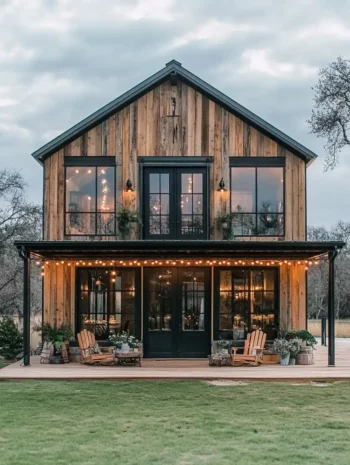
- Rustic Retreat: A garden with native plants, a small pond, and a wooden deck.
- Urban Jungle: Vertical gardens, water features, and natural stone pathways create a lush environment.
These designs use different elements to create unique and inviting spaces.
Public And Community Spaces
Public spaces serve as communal gathering spots. Exceptional designs often include:
| Location | Key Features |
|---|---|
| Central Park, New York | Lush lawns, water bodies, and walking paths. |
| Millennium Park, Chicago | Interactive sculptures, gardens, and open spaces. |
| High Line, New York | Elevated park, native plants, and seating areas. |
These parks blend nature and urban elements beautifully.
Award-winning Landscape Projects
Some projects receive awards for their innovative designs. Here are a few:
- Gardens by the Bay, Singapore: Features futuristic structures, diverse plants, and stunning light displays.
- Park Güell, Barcelona: Known for its colorful tiles, serpentine bench, and fantastic views.
- Butchart Gardens, Canada: Famous for its themed gardens, vibrant flowers, and tranquil settings.
These award-winning projects set standards for excellence in landscape design.
Frequently Asked Questions
What Are The Seven 7 Landscape Elements?
The seven landscape elements are line, form, color, texture, scale, space, and focal point. These elements create balance and harmony in landscape design.
What Are The Basic Design Elements Of Landscape Design?
The basic design elements of landscape design are line, form, texture, color, and scale. These elements create harmony and balance.
What Are The Five Elements Considered In A Natural Landscape?
The five elements of a natural landscape are landforms, vegetation, water bodies, climate, and wildlife.
What Are The 7 Steps To Landscape Design?
The 7 steps to landscape design are: site analysis, assessing needs, creating functional diagrams, developing design concepts, selecting materials, finalizing design plans, and implementing the design.
Conclusion
Mastering landscape design elements can transform any outdoor space. Focus on balance, unity, and color harmony. Use texture and form to create interest. Incorporate these principles for a stunning landscape. Your garden will become an inviting, beautiful retreat. Embrace these tips to enhance your outdoor living experience.
Happy gardening!