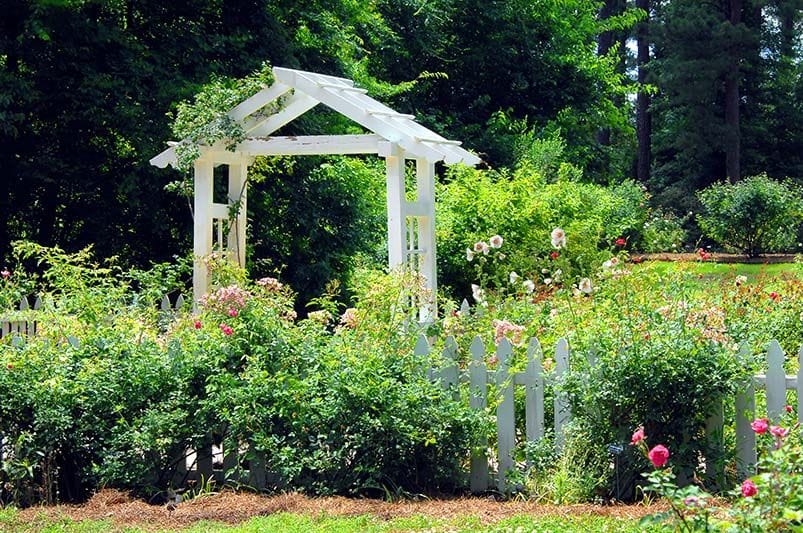
Gardening in Louisiana requires thoughtful landscape design to thrive in the state’s unique climate. Use native plants and create shaded areas.
Louisiana’s hot, humid climate presents both challenges and opportunities for gardeners. Native plants like azaleas and magnolias thrive in this environment, offering vibrant color and resilience. Shaded areas are essential to protect delicate plants from intense sunlight. Raised garden beds improve drainage, crucial in Louisiana’s often wet conditions.
Incorporating water features like ponds or fountains can help manage excess water and add aesthetic appeal. Thoughtful plant selection and strategic design ensure a flourishing garden that enhances your outdoor space. Embrace Louisiana’s natural beauty by blending local flora and sustainable practices for a stunning, low-maintenance landscape.
Climate Considerations
Gardening in Louisiana offers unique challenges and opportunities due to its climate. Understanding the climate is crucial for successful landscape design.
Weather Patterns
Louisiana experiences a humid subtropical climate. Summers are hot and humid, while winters are mild. Rainfall is abundant throughout the year.
To thrive, choose plants that can handle high humidity and heavy rainfall. Consider plants like azaleas, camellias, and gardenias, which love moisture.
Protect your garden from hurricanes and tropical storms. Use wind-resistant plants and sturdy structures.
Soil Types
Louisiana’s soil varies greatly. The main types include clay, sandy, and loamy soils.
| Soil Type | Characteristics | Suitable Plants |
|---|---|---|
| Clay | Heavy, retains water | Daylilies, Bearded Iris |
| Sandy | Drains quickly, low nutrients | Lavender, Sage |
| Loamy | Well-draining, fertile | Tomatoes, Peppers |
Test your soil to determine its type. Use amendments like compost to improve soil quality.
Consider raised beds for better control over soil conditions. Raised beds help manage drainage and soil composition.
Native Plants
Gardening in Louisiana offers a unique opportunity to create stunning landscapes with native plants. These plants thrive in the local climate and soil, making them a smart choice for any garden. Below, we explore some of the top choices and provide essential planting tips.
Top Choices
Choosing the right native plants can transform your garden. Here are some top choices that flourish in Louisiana:
- Louisiana Iris – Known for its vibrant colors and ease of growth.
- Southern Magnolia – A majestic tree with fragrant white flowers.
- Butterfly Weed – Attracts butterflies and adds a splash of orange.
- Swamp Milkweed – Supports monarch butterflies and thrives in wet areas.
- Black-Eyed Susan – Bright yellow flowers that bloom throughout summer.
Planting Tips
Planting native plants correctly ensures they grow strong and healthy. Here are some planting tips:
- Soil Preparation: Test your soil and add compost if needed.
- Planting Time: Plant in early spring or fall for best results.
- Watering: Water deeply but infrequently to encourage deep roots.
- Mulching: Apply mulch to retain moisture and reduce weeds.
- Spacing: Space plants according to their mature size to prevent overcrowding.
With these tips, your Louisiana garden will thrive with native plants. Enjoy the beauty and benefits they bring to your landscape.
Water Features
Adding water features can transform your Louisiana garden. They create a serene and attractive environment. Consider incorporating ponds, fountains, and irrigation systems. These elements will enhance the beauty and functionality of your garden.
Ponds And Fountains
Ponds and fountains are perfect for a relaxing atmosphere. A pond can house fish and aquatic plants. Adding a fountain creates a soothing sound that masks noise pollution.
- Ponds: Provide habitat for wildlife, improve garden aesthetics.
- Fountains: Add elegance and tranquility, reduce stress.
Ensure proper maintenance to keep water clean. Use natural stones and plants around the edges. This will blend the water feature with the natural landscape.
Irrigation Systems
Irrigation systems are crucial for garden health. They ensure plants get the right amount of water. There are different types of irrigation systems available.
| Irrigation Type | Benefits |
|---|---|
| Drip Irrigation | Efficient water use, reduces evaporation, targets plant roots. |
| Sprinkler Systems | Easy to install, covers large areas, programmable. |
Choose the best system for your garden needs. Regularly check for leaks and clogs. This keeps your irrigation system running smoothly.

Credit: www.pinterest.com
Outdoor Living Spaces
Creating outdoor living spaces in Louisiana can enhance your garden’s appeal. The warm climate allows for year-round enjoyment of your outdoor areas. With the right design, you can transform your yard into a functional and beautiful extension of your home.
Patios And Decks
Patios and decks are essential for any outdoor living space. A well-designed patio offers a place to relax and enjoy nature. Decks provide an elevated area with a great view of your garden.
- Material Choices: Use durable materials like stone or composite wood. These materials withstand Louisiana’s humidity and heat.
- Shade Solutions: Consider adding a pergola or umbrella. This provides shade and comfort during hot summer days.
- Lighting: Use outdoor lights to extend usability into the evening. String lights and lanterns create a cozy atmosphere.
Furniture And Decor
Choosing the right furniture and decor can make your outdoor space inviting. Comfortable seating, colorful cushions, and unique decor items add personality and style.
- Seating Options: Invest in weather-resistant chairs and sofas. Look for materials like wicker, metal, or treated wood.
- Tables: A sturdy table is essential for dining and entertaining. Opt for materials that can handle moisture and sun exposure.
- Decorative Elements: Add potted plants, outdoor rugs, and decorative pillows. These items bring color and texture to your space.
Outdoor Kitchens And Fire Pits
Outdoor kitchens and fire pits enhance your backyard experience. They provide a focal point for gatherings and extend your living space.
- Grills and Ovens: A built-in grill or pizza oven makes cooking outdoors a delight. Choose stainless steel appliances for durability.
- Fire Pits: A fire pit adds warmth and ambiance. Opt for a gas or wood-burning model depending on your preference.
- Seating Around Fire Pits: Arrange seating around the fire pit for a cozy gathering spot. Use benches or outdoor chairs with cushions.
Designing outdoor living spaces in Louisiana can be a rewarding project. With thoughtful planning, your garden can become a haven for relaxation and entertainment.
Seasonal Gardening
Gardening in Louisiana offers a delightful experience throughout the year. With its rich soil and diverse climate, you can enjoy a thriving garden in every season. Let’s explore some landscape design ideas for each season to keep your garden looking vibrant and healthy.
Spring And Summer
Spring in Louisiana is the perfect time to plant a variety of flowers and vegetables. The weather is warm but not too hot, making it ideal for new growth. Consider adding vibrant flowers like azaleas, camellias, and irises to bring color to your garden. You can also plant vegetables like tomatoes, peppers, and cucumbers for a summer harvest.
- Flowers: Azaleas, Camellias, Irises
- Vegetables: Tomatoes, Peppers, Cucumbers
During the summer, the heat can be intense, so choose plants that thrive in high temperatures. Sunflowers, marigolds, and zinnias are excellent choices for flowers. For vegetables, try planting okra, eggplants, and sweet potatoes. Ensure your garden gets plenty of water and mulch to retain moisture.
- Flowers: Sunflowers, Marigolds, Zinnias
- Vegetables: Okra, Eggplants, Sweet Potatoes
Fall And Winter
In fall, the cooler temperatures provide an excellent opportunity for planting hardy flowers and vegetables. Mums, pansies, and asters add vibrant colors to your garden. Vegetables like kale, broccoli, and carrots grow well in the cooler weather.
- Flowers: Mums, Pansies, Asters
- Vegetables: Kale, Broccoli, Carrots
Winter in Louisiana is mild compared to other regions. You can still maintain a beautiful garden with the right plants. Consider planting winter-blooming flowers like camellias and winter jasmine. Vegetables such as spinach, lettuce, and collard greens thrive in the winter months.
- Flowers: Camellias, Winter Jasmine
- Vegetables: Spinach, Lettuce, Collard Greens

Credit: id.pinterest.com
Wildlife-friendly Gardens
Creating a wildlife-friendly garden in Louisiana is both rewarding and beneficial. It invites birds, bees, and butterflies to your landscape. This not only enhances the beauty but also supports local ecosystems. Here, we share some exciting ideas for a wildlife-friendly garden.
Attracting Birds
To attract birds, provide food, water, and shelter. Plant native trees like oak and pine. These trees offer nesting sites and food. Use bird feeders with seeds like sunflower and millet. A birdbath can also attract many species. Ensure it has clean water daily.
- Plant native trees like oak and pine
- Set up bird feeders with seeds
- Add a birdbath with clean water
Pollinator Plants
Pollinator plants are essential for attracting bees and butterflies. Choose plants that bloom at different times. This ensures a constant food source. Some excellent choices are milkweed, coneflowers, and black-eyed Susans. These plants thrive in Louisiana’s climate.
| Plant | Blooming Season |
|---|---|
| Milkweed | Summer |
| Coneflowers | Spring to Fall |
| Black-eyed Susans | Summer to Fall |
Creating a wildlife-friendly garden is easy with these tips. Enjoy the beauty and benefits it brings!
Sustainable Practices
Gardening in Louisiana offers unique challenges and rewards. Embracing sustainable practices ensures your garden thrives while protecting the environment. Let’s explore some essential sustainable practices.
Composting
Composting is a key sustainable practice. It enriches the soil and reduces waste. Collect kitchen scraps like fruit peels and coffee grounds. Add yard waste such as leaves and grass clippings. Create a balanced compost pile by mixing “greens” and “browns”. Keep the pile moist and turn it regularly. This process produces rich, fertile compost for your garden.
- Use kitchen scraps: fruit peels, coffee grounds
- Add yard waste: leaves, grass clippings
- Mix “greens” and “browns” for balance
- Keep moist and turn regularly
Water Conservation
Water conservation is critical in Louisiana’s hot climate. Efficient water use keeps your garden healthy and saves resources. Install rain barrels to collect rainwater. Use this water for your plants. Employ drip irrigation systems to minimize water waste. Mulch around plants to retain moisture and reduce evaporation.
| Water Conservation Tips |
|---|
| Install rain barrels |
| Use drip irrigation |
| Mulch around plants |
These sustainable practices ensure a thriving garden. They also protect Louisiana’s natural resources.
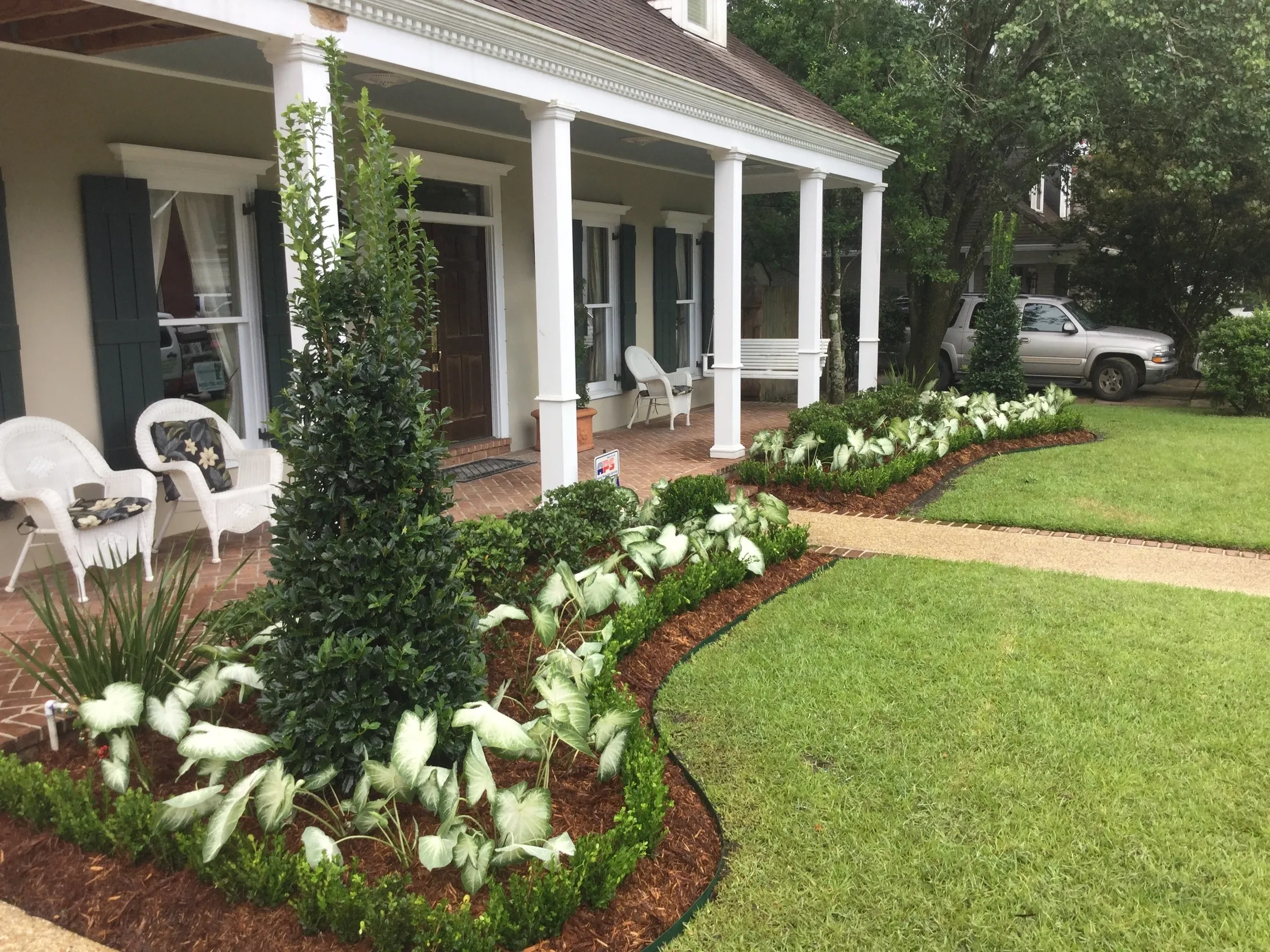
Credit: cclanddesign.com
Maintenance Tips
Gardening in Louisiana can be a rewarding experience. Keeping your landscape beautiful requires regular maintenance. Below are some essential tips to help you maintain a vibrant and healthy garden.
Pruning And Trimming
Pruning and trimming are crucial for plant health. Trim dead or diseased branches regularly. This helps plants grow stronger. Use clean, sharp tools to avoid plant damage.
Prune flowering shrubs after they bloom. This encourages new growth. Always cut at a 45-degree angle. This prevents water from pooling on the cut.
Fruit trees need special attention. Prune them in late winter. This helps them produce more fruit. Always remove suckers and water sprouts first.
Pest Control
Pests can damage your garden. Regular inspection helps identify pests early. Look under leaves and on stems. Common pests in Louisiana include aphids and caterpillars.
Use organic pesticides for a safer garden. Neem oil is effective against many pests. Always follow the instructions on the label.
Natural predators can help control pests. Ladybugs eat aphids. Attracting birds can also help. They eat many harmful insects.
For severe infestations, consider professional help. They can provide targeted solutions. Always choose environmentally friendly options.
| Common Pests | Control Methods |
|---|---|
| Aphids | Neem oil, ladybugs |
| Caterpillars | Hand-picking, Bacillus thuringiensis |
| Spider Mites | Insecticidal soap, water spray |
Frequently Asked Questions
What Are The 7 Steps To Landscape Design?
The 7 steps to landscape design are: site analysis, design planning, selecting plants, creating a focal point, laying pathways, adding lighting, and installing irrigation.
What Are The 5 Basic Elements Of Landscape Design?
The 5 basic elements of landscape design are line, form, texture, color, and scale. Each element contributes to the overall aesthetic and functionality. Line defines spaces, form shapes structures, texture adds depth, color creates mood, and scale ensures balance.
How Do I Design My Backyard Layout?
Start by measuring your space. Create zones for dining, relaxing, and gardening. Choose plants that suit your climate. Use pathways for flow. Add lighting for ambiance.
How Do I Make My Backyard Look Professionally Landscaped?
To make your backyard look professionally landscaped, start with a clear plan. Use native plants, add mulch, and incorporate lighting. Create focal points with water features or garden art. Regularly maintain your garden by pruning and weeding.
Conclusion
Designing a garden in Louisiana can be rewarding. Embrace native plants and creative layouts. Experiment with vibrant colors and unique textures. Keep maintenance in mind for lasting beauty. Whether you’re a novice or an expert, these tips can transform your landscape.
Start today and create your perfect outdoor oasis.