
Gardening in Missouri requires understanding the climate and soil conditions. Choose native plants and maintain proper watering schedules.
Missouri’s diverse climate offers unique gardening opportunities and challenges. Spring and fall are the best seasons for planting, while summers can be hot and humid. Selecting native plants ensures better adaptability to local conditions. Soil testing is essential to determine pH levels and nutrient needs.
Mulching helps retain soil moisture and control weeds. Regular watering, especially during dry spells, is crucial for plant health. Organic fertilizers and compost can boost soil fertility. By following these tips, you can create a thriving garden in Missouri’s variable weather. Happy gardening!
Credit: www.417mag.com
Missouri’s Climate And Soil
Gardening in Missouri offers a unique experience due to its diverse climate and soil. Understanding Missouri’s climate and soil is essential for successful gardening. This section will provide valuable insights and tips to help you navigate the seasonal changes and soil types in Missouri.
Seasonal Changes
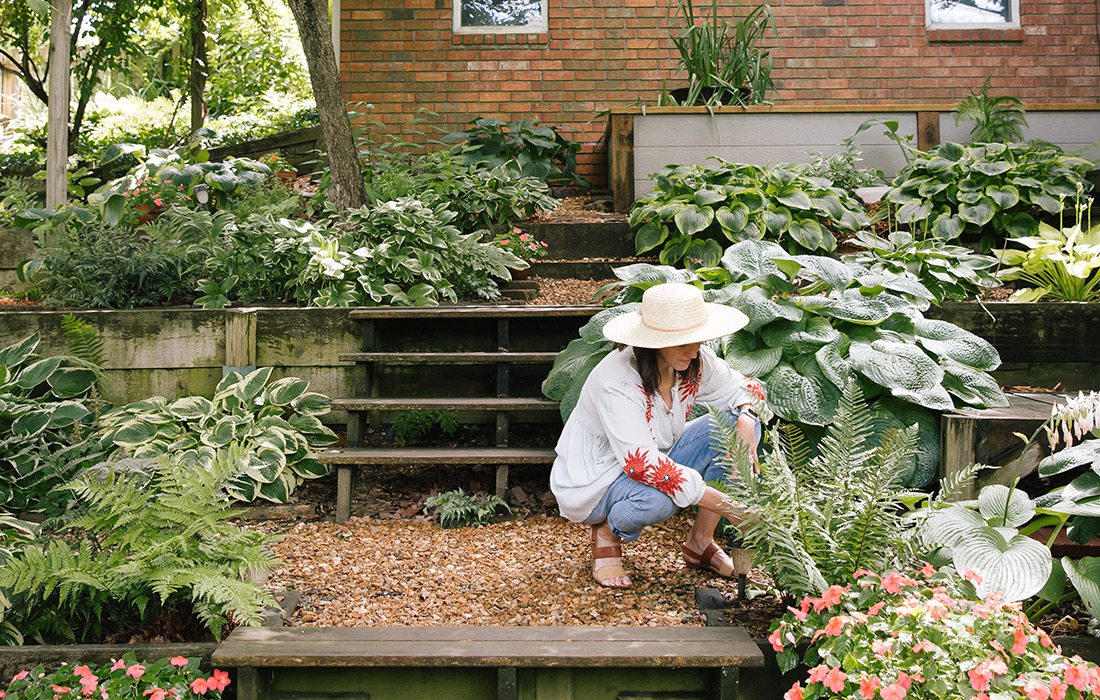
Missouri experiences distinct seasons, each affecting gardening differently. Winters are cold, with temperatures often dipping below freezing. This period is ideal for preparing soil and planning your garden.
Spring brings warmer temperatures and frequent rain. This is the best time to plant cool-season crops like lettuce and peas.
Summers are hot and humid, making it perfect for heat-loving plants like tomatoes and peppers. Ensure you water regularly to combat the heat.
Fall offers cooler temperatures and less humidity. This is the ideal time for planting fall crops like broccoli and carrots.
Soil Types
Missouri’s soil varies greatly depending on the region. Understanding your soil type is crucial for selecting the right plants.
| Region | Soil Type | Characteristics |
|---|---|---|
| Northern Missouri | Clay | Heavy, retains moisture, hard to work |
| Central Missouri | Loam | Well-draining, rich in nutrients, easy to work |
| Southern Missouri | Sandy | Drains quickly, low in nutrients, requires frequent watering |
Testing your soil can help determine its type and nutrient levels. Use organic matter to improve soil quality and ensure healthy plant growth.
Tips:
- Use compost to enrich soil.
- Mulch to retain moisture and control weeds.
- Rotate crops to prevent soil depletion.
Credit: www.shrubhub.com
Choosing The Right Plants
Gardening in Missouri can be a rewarding experience. The state’s diverse climate offers many planting options. Choosing the right plants ensures a thriving garden. This section covers essential tips to help you succeed.
Native Species
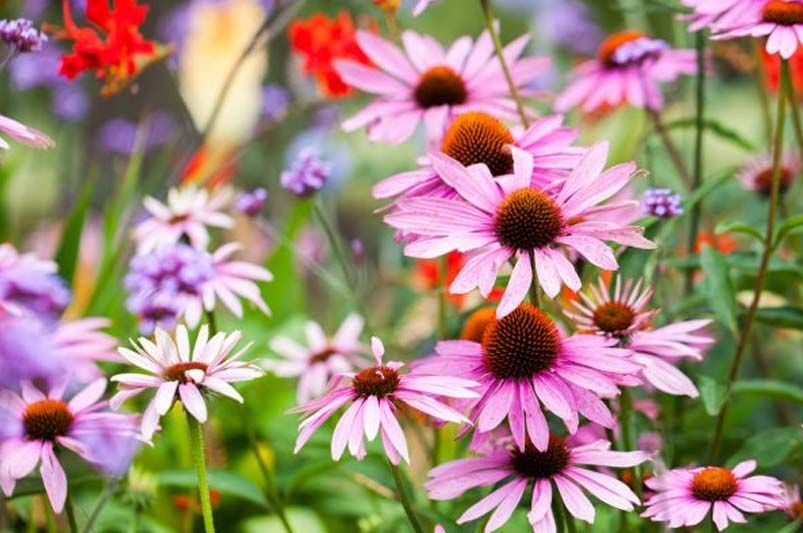
Native species adapt well to Missouri’s climate. They need less water and fewer chemicals. Consider these popular native plants:
- Purple Coneflower – A beautiful flower that attracts pollinators.
- Eastern Redbud – A tree that blooms in early spring.
- Black-Eyed Susan – A hardy flower with bright yellow petals.
These plants provide color and support local wildlife. Native species also resist local pests and diseases.
Hardiness Zones
Understanding hardiness zones helps select the best plants. Missouri spans zones 5b to 7a. Check the USDA Plant Hardiness Zone Map for specifics.
| Zone | Average Minimum Temperature (°F) |
|---|---|
| 5b | -15 to -10 |
| 6a | -10 to -5 |
| 6b | -5 to 0 |
| 7a | 0 to 5 |
Plants suited to your zone will thrive. Use this information to guide your choices.
Planting Techniques
Planting techniques are crucial for a thriving garden in Missouri. Using the right methods can make a big difference. Here, we discuss two essential techniques: Raised Beds and Companion Planting.
Raised Beds
Raised beds are a great way to grow plants. They offer better drainage and soil control. Here are some tips:
- Materials: Use wood, bricks, or stones to build your raised bed.
- Soil: Use high-quality soil and compost. This ensures nutrients.
- Size: Keep the beds 3-4 feet wide for easy access.
Raised beds warm up faster in spring. This helps early planting. They also reduce weeds and pests. Below is a simple table for raised bed benefits:
| Benefit | Details |
|---|---|
| Better Drainage | Prevents waterlogging and root rot. |
| Soil Control | Easy to amend and improve soil quality. |
| Faster Warming | Allows for early planting in spring. |
Companion Planting
Companion planting involves growing different plants together. This technique offers many benefits. Here are some examples:
- Tomatoes and Basil: Basil repels pests from tomatoes.
- Carrots and Onions: Onions deter carrot flies.
- Beans and Corn: Beans fix nitrogen, benefiting corn.
Companion planting can improve growth and reduce pests. It also uses space efficiently. Below is a list of common pairings:
- Marigolds: Protect many plants from pests.
- Garlic: Repels aphids and other insects.
- Radishes: Help deter cucumber beetles.
Use these techniques to enhance your Missouri garden. Happy gardening!
Watering Strategies
Watering your garden properly is crucial for healthy plants. In Missouri, the weather can be unpredictable. This makes effective watering strategies essential. Let’s explore some methods to keep your garden thriving.
Irrigation Systems
Using an irrigation system can save time and water. Drip irrigation and soaker hoses are popular choices. These systems deliver water directly to the plant roots.
Drip irrigation systems are efficient and reduce water waste. They help prevent overwatering, which can harm plants.
Soaker hoses are another great option. They allow water to seep slowly into the soil. This ensures deep root growth and healthier plants.
| System Type | Benefits |
|---|---|
| Drip Irrigation | Reduces water waste, prevents overwatering |
| Soaker Hoses | Encourages deep root growth, easy to install |
Rainwater Harvesting
Collecting rainwater is an eco-friendly way to water your garden. This method can save money and resources. Rainwater is free of chemicals found in tap water.
Install a rain barrel to collect runoff from your roof. Use this water during dry spells to keep your garden lush.
Follow these simple steps to set up a rainwater harvesting system:
- Choose a rain barrel with a secure lid.
- Place the barrel under a downspout.
- Attach a hose to the spigot for easy watering.
This method provides a sustainable water source. Your plants will thank you!
Fertilizing Methods
Gardening in Missouri can be a rewarding experience with the right fertilizing methods. Fertilizers provide essential nutrients for plant growth. Understanding the difference between organic and synthetic options can help you choose the best method for your garden.
Organic Options
Organic fertilizers are made from natural materials. They improve soil structure and encourage beneficial microbes. Here are some common organic options:
- Compost: Decomposed organic matter. It provides a balanced nutrient mix.
- Manure: Animal waste. It enriches soil with nitrogen, phosphorus, and potassium.
- Bone Meal: Ground animal bones. It is high in phosphorus.
- Fish Emulsion: Liquid fertilizer from fish waste. It is rich in nitrogen.
Using organic fertilizers can improve long-term soil health. They release nutrients slowly, ensuring plants get a steady supply.
Synthetic Choices
Synthetic fertilizers are man-made and provide immediate nutrients. They are available in various forms such as granules, liquids, and spikes. Here are some popular synthetic choices:
- Granular Fertilizers: Slow-release options that feed plants over time.
- Liquid Fertilizers: Quick-release solutions for immediate nutrient uptake.
- Fertilizer Spikes: Easy-to-use spikes placed in the soil.
Synthetic fertilizers are convenient and effective. They offer precise nutrient control and quick results. But, overuse can harm soil and water quality.
Choosing the right fertilizing method depends on your garden’s needs. Both organic and synthetic options have their benefits. Consider using a combination for the best results.
Credit: www.downtownjoplin.com
Pest And Disease Control
Gardening in Missouri can be a delight, but pests and diseases can be a challenge. Effective pest and disease control ensures healthy, thriving plants. Let’s explore some useful tips and tricks.
Natural Predators
Using natural predators is an eco-friendly way to manage pests. These beneficial insects help control harmful bugs.
- Ladybugs: They eat aphids, mites, and other pests.
- Praying Mantises: These insects consume caterpillars, beetles, and flies.
- Lacewings: Their larvae feed on aphids, thrips, and whiteflies.
Encouraging these predators in your garden can reduce the need for chemicals. Planting flowers like marigolds and sunflowers attracts these helpful insects.
Chemical Solutions
Sometimes, natural methods aren’t enough. Chemical solutions can help control pests and diseases when used correctly.
| Chemical | Target Pests | Usage Tips |
|---|---|---|
| Insecticidal Soap | Aphids, mites, whiteflies | Apply early morning or late evening. |
| Neem Oil | Caterpillars, beetles, fungi | Spray on both sides of leaves. |
| BT (Bacillus thuringiensis) | Caterpillars, larvae | Use on young plants for best results. |
Always read labels and follow instructions. Overuse can harm plants and beneficial insects.
Seasonal Maintenance
Gardening in Missouri requires mindful seasonal maintenance to ensure a thriving garden. Each season brings unique tasks that help your garden flourish. From spring preparation to fall cleanup, understanding these activities is key to a beautiful, productive garden.
Spring Preparation
Spring marks the beginning of the gardening season in Missouri. Preparing your garden in spring sets the stage for success.
- Soil Testing: Test your soil to determine its nutrient needs.
- Weed Removal: Clear out weeds to prevent competition for nutrients.
- Compost Application: Add compost to enrich the soil.
- Tool Check: Sharpen and clean garden tools for efficient use.
Spring preparation involves more than just soil and tools. Planting the right crops at the right time is crucial.
| Crop | Planting Time |
|---|---|
| Tomatoes | Mid-April |
| Peppers | Late April |
| Lettuce | Early March |
Fall Cleanup
Fall cleanup is essential for a healthy garden. Removing debris and preparing for winter protects your plants and soil.
- Leaf Removal: Rake and remove fallen leaves to prevent mold.
- Pruning: Prune dead or diseased branches to promote growth.
- Mulching: Add mulch to insulate plant roots from cold.
- Tool Storage: Clean and store tools to prevent rust.
Fall cleanup also includes protecting tender plants. Cover them with burlap or frost blankets to shield from frost.
By following these seasonal maintenance tips, your Missouri garden will thrive through every season.
Gardening Resources
Gardening in Missouri offers a unique experience due to its diverse climate. Access to the right resources can make your gardening journey smoother. Here, we provide valuable information about local nurseries and extension programs to help you succeed.
Local Nurseries
Local nurseries are a treasure trove for gardeners. They offer a wide variety of plants suited for Missouri’s climate. These nurseries also provide expert advice on plant care.
Here are some top local nurseries in Missouri:
- Missouri Wildflowers Nursery – Specializes in native plants.
- Bowood Farms – Offers a wide range of garden plants and accessories.
- Greenscape Gardens – Known for its sustainable gardening practices.
Visiting local nurseries can provide inspiration and essential gardening supplies. You can also get insights into seasonal plant varieties.
Extension Programs
Extension programs are a fantastic resource for Missouri gardeners. These programs offer free or low-cost education on various gardening topics. They are usually run by universities or local governments.
Key extension programs in Missouri include:
- University of Missouri Extension – Offers workshops, online courses, and publications.
- St. Louis County Extension – Provides community gardening projects and advice.
- Greene County Extension – Focuses on sustainable gardening practices.
These programs often feature expert advice, workshops, and community events. You can learn about soil health, pest control, and plant selection. Extension programs are invaluable for both novice and experienced gardeners.
Utilizing these resources can elevate your gardening skills and knowledge. Local nurseries and extension programs offer the tools and expertise you need.
Frequently Asked Questions
When Should I Start Planting My Garden In Missouri?
Start planting your garden in Missouri after the last frost date, typically around mid-April to early May. Check local frost dates.
How Often Should You Water Your Garden In Missouri?
Water your garden in Missouri 1-2 times a week. Adjust based on rainfall and soil moisture. Avoid overwatering.
What Foods Grow Best In Missouri?
Tomatoes, corn, soybeans, and wheat grow best in Missouri. The state’s climate also supports apples, peaches, and melons.
What Should I Do First In My Garden?
First, clear debris and weeds. Test the soil for pH levels. Add compost to enrich the soil. Plan your garden layout. Finally, plant suitable flowers and vegetables.
Conclusion
Gardening in Missouri can be a rewarding experience with the right tips and tricks. Remember to consider local climate conditions. Choose plants suited to Missouri’s weather. Regularly water and fertilize your garden. With patience and care, your Missouri garden will flourish beautifully.
Happy gardening!