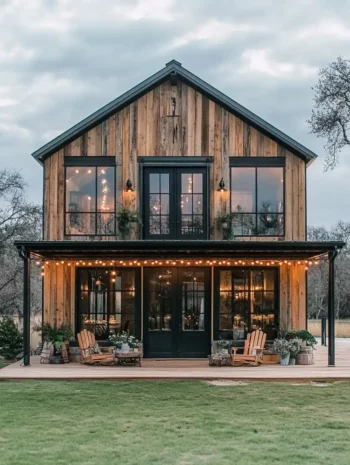

Computerized design has streamlined landscaping by enhancing precision and creativity. It allows for accurate planning and visualization.
Landscaping has transformed with the advent of computerized design tools. These tools offer landscape architects and designers unparalleled accuracy, enabling them to create intricate and detailed plans efficiently. Computerized design software allows for easy adjustments and modifications, saving time and reducing errors.
Designers can visualize entire landscapes before any physical work begins, ensuring the final product meets client expectations. This technology also facilitates the integration of various elements like plants, hardscapes, and water features seamlessly. With these advancements, computerized design has revolutionized the landscaping industry, making the design process more efficient, creative, and reliable.
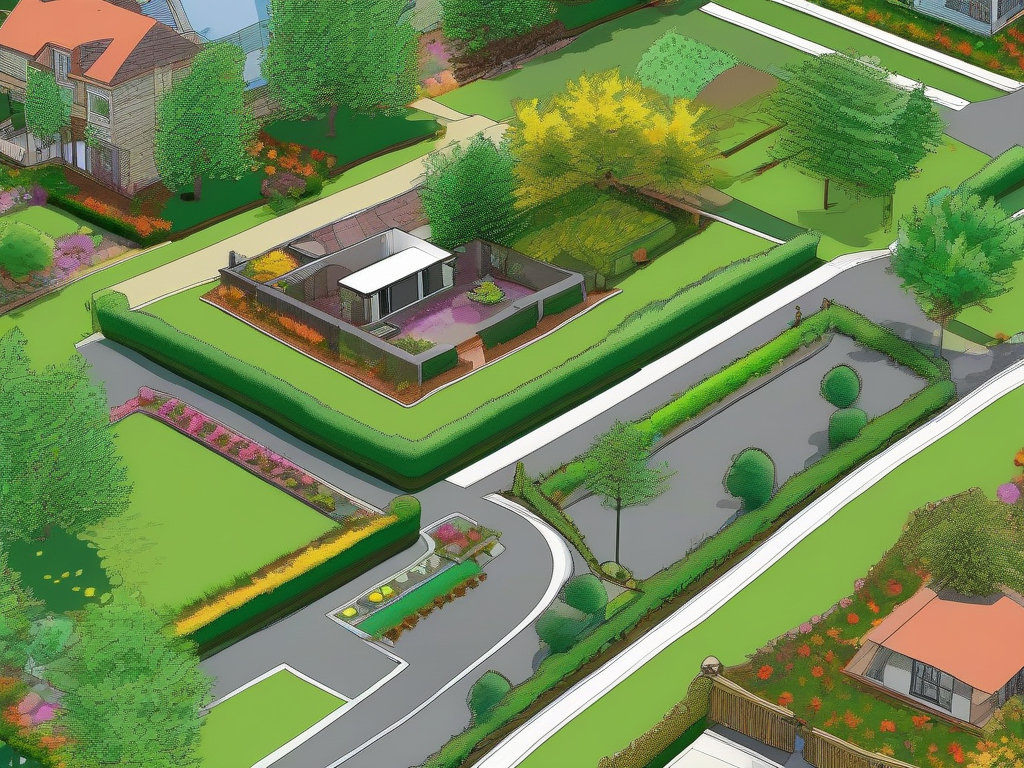
Credit: sourcednextdoor.com
Introduction To Computerized Design In Landscaping
Computerized design has changed modern landscaping. It brings accuracy and creativity. Landscapers now use digital tools for detailed plans. This means better results for gardens and yards.
Rise Of Digital Tools
The rise of digital tools has been crucial. Tools like CAD (Computer-Aided Design) are now common. They help in making precise layouts. With these tools, landscapers can visualize the final look. Digital tools also allow easy changes to designs. This flexibility saves time and effort.
Importance In Modern Landscaping
Computerized design is vital for modern landscaping. It ensures accuracy in every detail. Landscapers can create 3D models of gardens. These models help clients see the finished project before starting. Digital designs also help in planning irrigation and lighting. This means more efficient and sustainable gardens.
| Advantages | Benefits |
|---|---|
| Accuracy | Precise measurements and layouts |
| Flexibility | Easy to make changes |
| Visualization | 3D models for better understanding |
| Efficiency | Better planning of resources |
- Accuracy: Digital tools bring precise measurements.
- Flexibility: Designs can be easily changed.
- Visualization: 3D models help in better understanding.
- Efficiency: Resources are planned better.
- Digital tools improve accuracy.
- They offer great flexibility in design.
- Visualization is enhanced with 3D models.
- Overall efficiency is significantly improved.
Credit: sourcednextdoor.com
Enhancing Visualization
Computerized design has revolutionized landscaping. It has improved how we visualize outdoor spaces. This technology allows landscapers to create detailed plans. Clients can see their dream gardens before any work begins. Below, we explore how 3D modeling and virtual walkthroughs enhance visualization.
3d Modeling
3D modeling brings landscape designs to life. Landscapers use software to create three-dimensional images. These images show every detail of the proposed design.
- Plants and trees
- Walkways and patios
- Water features
Clients can see the height, depth, and texture. It helps them understand the final look better. They can request changes before any physical work starts. This saves time and money.
Virtual Walkthroughs
Virtual walkthroughs offer an immersive experience. Clients can explore their future garden in a virtual space. They can walk along paths and view plants up close.
- Load the design on a computer or tablet
- Navigate through the landscape using a mouse or touch screen
- Observe how different elements interact
These walkthroughs help clients make informed decisions. They can visualize the space in all seasons. It provides a clearer picture than 2D drawings.
| Feature | Benefit |
|---|---|
| 3D Modeling | Detailed and realistic images |
| Virtual Walkthroughs | Immersive and interactive experience |
With these tools, computerized design makes landscaping more precise. It enhances visualization and improves client satisfaction.
Precision And Accuracy
Computerized design has revolutionized landscaping by enhancing precision and accuracy. This technology ensures that every detail is meticulously planned and executed, leading to stunning landscapes. Let’s explore how computerized design achieves this through detailed measurements and error reduction.
Detailed Measurements
With computerized design, landscapers can take detailed measurements of the area. This ensures every element fits perfectly. Designers use advanced software to map out the entire landscape. They can measure spaces, slopes, and elevations with pinpoint accuracy.
A table can illustrate the types of measurements taken:
| Measurement Type | Description |
|---|---|
| Area | Calculates the total surface of the landscape. |
| Perimeter | Measures the boundary length of the landscape. |
| Elevation | Determines the height differences within the landscape. |
| Slope | Evaluates the gradient or incline of the land. |
These measurements ensure that all elements, from plants to pathways, are perfectly placed.
Error Reduction
Computerized design significantly reduces errors in landscaping projects. Human error is minimized because the software calculates and plans every detail.
Some common errors reduced by computerized design include:
- Miscalculating space requirements for plants.
- Incorrect placement of irrigation systems.
- Improper alignment of pathways and structures.
A computerized design ensures every aspect of the landscape aligns perfectly. This leads to smoother project execution and a more beautiful final result.
In summary, computerized design has dramatically improved landscaping through its precision and accuracy. This technology ensures that every detail is meticulously planned and executed.
Time Efficiency
Computerized design has transformed the landscaping industry. It has greatly improved time efficiency. Designers now complete tasks faster and with greater accuracy. This innovation saves time, effort, and costs for both designers and clients.
Quicker Design Processes
With computerized design, creating a landscape plan is quicker. Designers use software to draw plans quickly. They no longer rely on manual drawings. This reduces the time spent on drafting.
Software tools offer pre-made templates and elements. Designers can drag and drop these elements into place. This speeds up the design process. It allows for faster project initiation and completion.
Streamlined Revisions
Computerized design simplifies the revision process. Clients often request changes to the initial plan. Manually, this was time-consuming. With software, designers can make changes instantly.
Designers use layers and elements in the software. They can adjust specific parts without redrawing the entire plan. This makes revisions quick and easy.
Here’s a table showing the benefits:
| Manual Design | Computerized Design |
|---|---|
| Time-consuming revisions | Instant revisions |
| Manual drafting | Quick templates |
| High error rate | Enhanced accuracy |
Computerized design also keeps a history of changes. Designers can track and revert to previous versions easily. This ensures no design elements are lost or mismanaged.
Cost Savings
Computerized design has revolutionized landscaping by significantly reducing costs. This technology helps landscape architects and homeowners save money in various ways. Let’s explore how computerized design aids in budget planning and resource management to achieve cost savings.
Budget Planning
With computerized design, creating a detailed budget plan becomes easier. The software allows users to estimate costs accurately. You can input various elements like plants, materials, and labor. The program then calculates the total cost.
- Accurate Estimates: The software provides precise cost estimates.
- Avoids Overruns: Helps in avoiding unexpected expenses.
- Financial Control: Keeps you within your budget limits.
By using these tools, you can plan your landscaping project more efficiently. This helps in preventing costly mistakes and ensuring you stick to your budget.
Resource Management
Resource management is another area where computerized design shines. The software helps in efficient use of resources. It allows for better planning and allocation of materials.
| Resource | Benefit |
|---|---|
| Water | Optimal irrigation planning saves water costs. |
| Plants | Choosing the right plants reduces replacement costs. |
| Materials | Efficient material use prevents waste. |
Proper resource management ensures that nothing goes to waste. This can lead to significant cost savings in the long run. Additionally, it promotes sustainability in landscaping projects.
Customization And Flexibility
Computerized design has revolutionized the landscaping industry. It allows for unparalleled customization and flexibility. Homeowners and designers can now create tailored landscapes. These designs can be easily adapted to changing needs and preferences.
Tailored Designs
Computerized landscaping tools enable the creation of tailored designs. Every garden can be unique. You can choose specific plants, paths, and water features. These tools allow for precise placement. This ensures every element fits perfectly in the space.
- Custom plant selection
- Unique path designs
- Personalized water features
With this technology, designers can visualize the final outcome. Clients can see 3D models of their gardens. This helps make informed decisions and adjustments before any physical work begins.
Adaptable Plans
Adaptable plans are another benefit of computerized design. Landscapes are living spaces. They change with seasons and personal tastes. Computerized tools make it easy to update designs. Users can modify elements without starting from scratch.
For example, you can swap plants as seasons change. Or, you might add a new patio area. These changes can be made quickly and efficiently. This flexibility ensures that your landscape remains fresh and functional.
| Feature | Benefit |
|---|---|
| Seasonal Plant Swaps | Keep your garden vibrant all year |
| Adding New Features | Enhance functionality and aesthetic appeal |
| Quick Modifications | Save time and effort |
In summary, computerized design offers unmatched customization and flexibility. It allows for the creation of unique, adaptable landscapes that meet evolving needs and preferences.
Sustainability
Computerized design has revolutionized landscaping with a focus on sustainability. This modern approach ensures that landscapes are both beautiful and eco-friendly. Let’s explore how computerized design contributes to sustainable landscaping.
Eco-friendly Designs
Computerized design tools help create eco-friendly designs by using native plants. Native plants require less water and maintenance. These tools also suggest drought-tolerant plants. This reduces the need for irrigation.
Design software can simulate sunlight patterns. This helps in placing plants that need specific light conditions. It ensures optimal growth and health of the plants.
Moreover, computerized design aids in creating green spaces. These spaces reduce the urban heat island effect. It makes cities cooler and more pleasant to live in.
Resource Optimization
With computerized design, resource optimization becomes easier. Efficient use of water, soil, and energy is possible.
Design software can calculate the exact amount of water needed. This prevents over-watering and conserves water resources. It can also suggest the best irrigation methods.
Soil analysis tools help in understanding soil quality. They recommend the best plants and fertilizers to use. This ensures healthy growth and reduces waste.
Energy-efficient lighting can be integrated into the landscape. Solar-powered lights are a great example. They reduce energy consumption and are environmentally friendly.
| Resource | Optimization Method |
|---|---|
| Water | Precise irrigation and drought-tolerant plants |
| Soil | Soil analysis and appropriate plant selection |
| Energy | Solar-powered and energy-efficient lighting |
By focusing on sustainability, computerized design ensures that landscapes are not only beautiful but also kind to the environment. These advanced tools make it easier to create and maintain sustainable landscapes.
Future Of Landscaping With Technology
Technology has transformed many industries, including landscaping. With computerized design, landscaping has moved into a new era. This transformation opens up endless possibilities for the future of landscaping.
Emerging Trends
In recent years, several trends have emerged in computerized landscaping. These trends are shaping the future of how we design outdoor spaces.
- 3D Modeling: Advanced software allows designers to create 3D models of landscapes. This helps clients visualize their future outdoor spaces.
- Augmented Reality (AR): AR tools let users see virtual plants and features in their real yards using their phones or tablets.
- Smart Irrigation Systems: These systems use sensors to optimize water usage. They ensure plants get the right amount of water at the right time.
Potential Innovations
The future of landscaping holds many exciting innovations. These technologies will make landscaping more efficient and creative.
- AI-Powered Design: Artificial Intelligence can suggest plant combinations and layouts based on soil and climate data.
- Robotics: Robots can handle repetitive tasks like mowing and trimming. This frees up time for more creative design work.
- Sustainable Materials: New materials are being developed that are both eco-friendly and durable. These materials can reduce the carbon footprint of landscaping projects.
These trends and innovations are just the beginning. The future of landscaping with technology is bright and full of possibilities.

Credit: www.google.com
Frequently Asked Questions
What Is One Of The Main Improvements That Computer-aided Drafting Brought To The Construction Process?
One main improvement of computer-aided drafting in construction is increased accuracy in design. This reduces errors and saves time.
What Are The Two Main Functions Of Computer Design?
The two main functions of computer design are hardware architecture and software development. Hardware architecture involves creating physical components. Software development focuses on programming and systems integration.
What Does Computer Design Do?
Computer design creates digital models and layouts for various applications, enhancing functionality, aesthetics, and user experience. It involves software tools to draft, simulate, and optimize designs efficiently.
Why Is Visualization An Important Ability For Landscape Architects?
Visualization helps landscape architects design and communicate ideas effectively. It aids in planning, client presentations, and project approvals.
Conclusion
Computerized design has revolutionized landscaping, making it more efficient and precise. It enhances creativity and ensures better project outcomes. Homeowners and professionals benefit from realistic visualizations and streamlined processes. Embracing this technology leads to stunning, sustainable landscapes. Stay ahead by integrating computerized design into your landscaping projects for remarkable results.