To design a landscape front yard, start by planning the layout and selecting suitable plants. Focus on functionality and aesthetics.
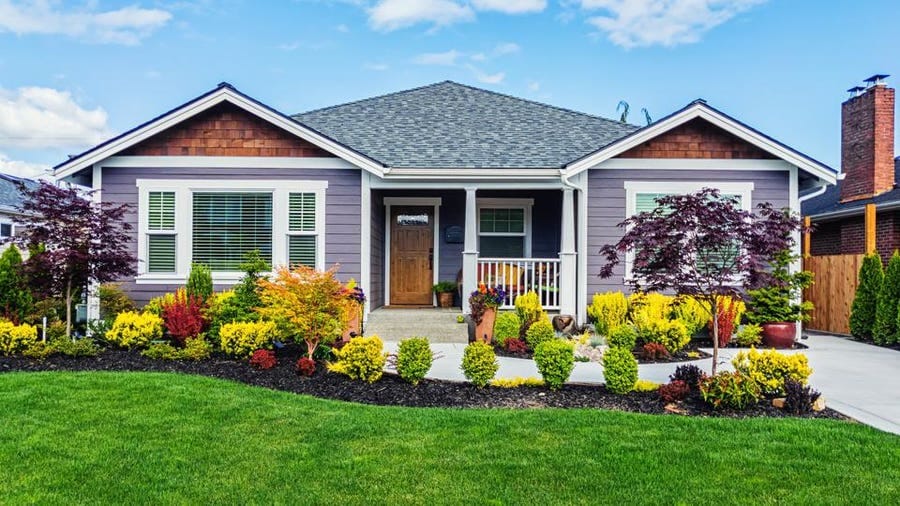
Creating an inviting and functional front yard landscape requires thoughtful planning. Begin by assessing your space and identifying focal points like pathways, flower beds, or water features. Choose plants that thrive in your climate, ensuring a mix of colors and textures.
Incorporate elements such as seating areas, lighting, and decorative pieces to enhance the visual appeal. Regular maintenance is key to keeping your front yard looking its best. By combining practical design with personal touches, you can create a welcoming and attractive outdoor space that enhances your home’s curb appeal.
:max_bytes(150000):strip_icc()/small-front-yard-landscaping-ideas-reconsider-barriers-getty-0723-068cef9ed0934c1dab2e25f11de1a5fa.jpg)
Credit: www.marthastewart.com
Assessing Your Space
Before designing your landscape front yard, you need to assess your space. This step helps you understand the area you will work with. It is crucial for creating a beautiful and functional design.
Measuring The Area
Start by measuring the area of your front yard. Use a measuring tape for accuracy. Measure the length and width of your yard.
Note down these measurements. Create a rough sketch of your yard on paper. This sketch will guide you in the design process.
Consider any slopes or uneven areas. They can affect your design. Measure any pathways or driveways too.
Identifying Existing Features
Next, identify the existing features in your front yard. These features can include:
- Trees
- Shrubs
- Flower beds
- Water features
- Walkways
Make a list of these features. Note their location on your sketch.
Are there any structures like sheds or fences? Include them in your list and sketch.
Identifying these features helps in planning your new design. You can decide what to keep, move, or remove.
By assessing your space, you lay the foundation for a successful landscape design. It helps you understand the potential and limitations of your front yard.
Setting A Budget
Designing a beautiful front yard can be exciting. But first, you need to set a budget. Knowing how much you can spend helps plan better. Let’s break down the steps to create a budget for your landscape project.
Cost Estimation
Start by estimating the costs. Make a list of everything you need. This includes plants, soil, tools, and decorations. Research the average prices. You can create a simple table to organize your costs.<table border=”1″
Prioritizing Expenses
Next, prioritize your expenses. Decide what’s most important. Maybe you want lots of flowers. Or perhaps you need a new walkway. List your priorities in order. This helps you stay within your budget.
- Essential plants and trees
- Soil and fertilizers
- Basic gardening tools
- Decorative elements
Stick to your list. Buy the most important items first. This way, you won’t overspend. If there’s money left, get the extras.
Remember, setting a budget makes your project smoother. It prevents surprises and keeps you on track. Happy landscaping!
“`Choosing A Style
Choosing a style for your front yard landscape is essential. It sets the tone for your home’s exterior. You can opt for a modern design or a traditional look. Each style offers unique elements and charm.
Modern Designs
Modern designs focus on clean lines and simplicity. They often feature minimalistic elements. Use geometric shapes and sleek materials like concrete and steel.
- Plants: Opt for low-maintenance plants. Succulents and ornamental grasses work well.
- Pathways: Create straight or angular pathways. Use materials like stone or concrete.
- Lighting: Use LED lights for a contemporary feel. Place them along pathways and focal points.
| Element | Material |
|---|---|
| Pathways | Concrete, Stone |
| Fencing | Metal, Wood |
| Decor | Minimalistic Sculptures |
Traditional Looks
Traditional looks are timeless and elegant. They often feature classic elements. Think of symmetrical designs and lush greenery.
- Plants: Use flowering plants and shrubs. Roses and hydrangeas are popular choices.
- Pathways: Create curved pathways. Use materials like brick or cobblestone.
- Lighting: Use classic lanterns. Place them along pathways and near entrances.
| Element | Material |
|---|---|
| Pathways | Brick, Cobblestone |
| Fencing | Wood, Wrought Iron |
| Decor | Classic Statues, Fountains |
:strip_icc()/100028819-7f200248585c4d49b287a05a21ca23ca.jpg)
Credit: www.bhg.com
Selecting Plants
Designing your front yard involves selecting the right plants. The right plants enhance beauty and ensure sustainability. Focus on native plants and seasonal flowers for the best results.
Native Plants
Native plants thrive in your local climate. They require less water and maintenance. Choose plants that are naturally found in your region.
- Easier to maintain
- Resistant to local pests
- Support local wildlife
Examples of native plants:
| Plant Name | Region |
|---|---|
| Black-eyed Susan | North America |
| California Poppy | Western USA |
Seasonal Flowers
Seasonal flowers add color to your front yard. They bloom at different times of the year. This ensures your yard looks vibrant all year round.
- Spring: Tulips, Daffodils
- Summer: Sunflowers, Marigolds
- Autumn: Chrysanthemums, Asters
- Winter: Pansies, Winter Jasmine
Make sure to rotate these flowers each season. This keeps your front yard always looking fresh and lively.
Incorporating Hardscaping
Hardscaping plays a crucial role in landscape design. It includes non-living elements like stones, bricks, and wood. These elements add structure and functionality to your front yard. Let’s explore some key hardscaping elements.
Pathways And Walkways
Pathways guide visitors through your garden. They also protect your grass and plants from foot traffic. Materials like gravel, stone, or brick work well. Choose materials that match your home’s style.
Here are some tips for designing pathways:
- Width: Ensure the path is wide enough for two people.
- Curves: Add gentle curves for a natural look.
- Lighting: Install lights for safety and beauty.
Patios And Decks
Patios and decks create outdoor living spaces. They are perfect for relaxing and entertaining. Use materials like wood, stone, or concrete. Choose durable and weather-resistant options.
Consider these factors for your patio or deck:
- Size: Ensure it fits your furniture and activities.
- Location: Place it where you get good views.
- Shade: Add umbrellas or pergolas for comfort.
Adding Water Features
Adding water features to your landscape front yard can transform it into a serene oasis. Water features like fountains and ponds bring soothing sounds and visual appeal. They also attract birds and butterflies, adding life to your garden.
Fountains
Fountains are a popular choice for many front yards. They come in various styles and sizes to suit any design. A small tabletop fountain can be a simple yet elegant addition. Larger, tiered fountains make a grand statement.
Fountains are easy to maintain. They require regular cleaning to remove algae and debris. Use a water pump to keep the water circulating and fresh. You can find solar-powered fountains, which are eco-friendly and reduce energy costs.
To install a fountain:
- Choose a level spot in your yard.
- Dig a hole for the base.
- Place the fountain and connect the pump.
- Fill with water and plug in the pump.
Ponds
Ponds add a natural touch to your front yard. They provide a habitat for fish and aquatic plants. Ponds can vary in size from small garden ponds to larger koi ponds.
Creating a pond involves more planning and effort than installing a fountain. You need to consider the pond’s location, size, and depth. Ensure the pond gets some sunlight for plant growth but not too much to prevent algae overgrowth.
Steps to build a pond:
- Mark the pond’s shape with a rope or hose.
- Excavate the area to the desired depth.
- Lay a pond liner to prevent water loss.
- Fill the pond with water and add plants and fish.
Ponds also need regular maintenance. Clean the filter, remove debris, and check the water quality. Installing a pond pump will help keep the water circulating and aerated.
Both fountains and ponds can enhance the beauty of your front yard. Choose the one that fits your style and maintenance preference.
Lighting Your Yard
Lighting your yard can transform your landscape front yard. It adds beauty and ensures safety after dark. Different types of lighting serve various purposes. This section will guide you on accent lighting and security lighting.
Accent Lighting
Accent lighting highlights specific features of your yard. Use it to showcase plants, trees, or pathways. It creates a focal point and adds depth to your landscape.
Consider using spotlights or well lights for this purpose. Place them at the base of plants or structures. You can also use downlighting from trees. It mimics natural moonlight and looks magical.
- Spotlights
- Well lights
- Downlighting
| Lighting Type | Best Use |
|---|---|
| Spotlights | Highlight trees, statues |
| Well lights | Illuminate pathways |
| Downlighting | Mimic moonlight |
Security Lighting
Security lighting ensures your yard is safe at night. It deters intruders and prevents accidents. Use motion sensor lights for this purpose.
Position them near entry points like doors and windows. Floodlights are a great option for wide coverage. They light up large areas and provide maximum visibility.
- Motion sensor lights
- Floodlights
| Lighting Type | Best Use |
|---|---|
| Motion sensor lights | Near entry points |
| Floodlights | Wide area coverage |

Credit: arborhilllandscaping.com
Maintenance Tips
Maintaining a beautiful landscape front yard requires consistent care. Proper maintenance ensures your yard stays lush and vibrant. Below are essential tips to keep your landscape in top shape.
Watering Schedule
Watering is crucial for plant health. Establish a regular watering schedule to keep your plants hydrated.
- Early Morning Watering: Water your plants early in the morning. This helps prevent evaporation.
- Frequency: Water your yard 2-3 times a week. Adjust based on weather conditions.
- Deep Watering: Ensure the water reaches the roots. This promotes deeper root growth.
- Mulching: Use mulch to retain moisture. It also helps reduce weed growth.
Pruning And Trimming
Regular pruning and trimming keep your plants healthy and beautiful. Follow these guidelines:
| Task | Details |
|---|---|
| Pruning Shrubs: | Prune shrubs in early spring. Remove dead or diseased branches. |
| Trimming Hedges: | Trim hedges regularly to maintain their shape. Avoid cutting too much at once. |
| Deadheading Flowers: | Remove spent blooms from flowering plants. This encourages new growth. |
| Tree Trimming: | Trim trees to remove dead branches. This prevents disease and promotes growth. |
By following these maintenance tips, your landscape front yard will thrive. Regular care is the key to a stunning and healthy yard.
Frequently Asked Questions
How To Landscape A Front Yard For Beginners?
Start with a simple plan. Choose easy-to-maintain plants. Use mulch to retain moisture. Add a focal point like a tree. Maintain regularly.
What Are The 7 Steps To Landscape Design?
The 7 steps to landscape design are: site analysis, project planning, design preparation, plant selection, hardscape installation, planting, and maintenance.
How Do I Create A Landscape Layout?
To create a landscape layout, go to your document settings. Select the layout or orientation option. Choose landscape. Save changes.
How To Design A Beautiful Front Yard?
To design a beautiful front yard, choose a focal point, add colorful plants, create pathways, use lighting, and maintain regularly.
Conclusion
Creating a beautiful landscape front yard enhances your home’s curb appeal. Follow the tips and let your creativity shine. Remember, planning and choosing the right plants are key. With thoughtful design, your front yard can become a stunning outdoor space.
Start today and transform your front yard into a welcoming oasis.