To landscape your yard, start by planning your design and choosing suitable plants. Next, prepare the soil and install features.
Transforming your yard into a beautiful landscape involves thoughtful planning and creativity. Begin by sketching a design that includes elements like flower beds, trees, and walkways. Choose plants that thrive in your climate and soil type. Preparing the soil is crucial for plant health, so enrich it with compost or other organic matter.
Incorporate features like garden paths, water elements, or seating areas to add functionality and charm. Regular maintenance, such as watering, pruning, and mulching, will keep your landscape thriving. With careful planning and attention, you can create a stunning outdoor space that enhances your home’s curb appeal.
Laying The Groundwork
Creating a beautiful yard starts with proper planning. This step is crucial for a successful landscaping project. We’ll break down the essential steps to lay a strong foundation for your yard.
Assessing Your Space
First, evaluate your yard’s current state. Take note of the following:
- Soil type
- Sunlight exposure
- Drainage patterns
- Existing plants and structures
Understanding these elements helps you make informed decisions. Soil type affects plant choices and drainage. Sunlight exposure determines which plants thrive. Drainage patterns influence water management. Existing plants and structures can be integrated or replaced.
Setting Goals And Budget
Next, set clear goals and a budget for your landscaping project. Define what you want to achieve:
- Create a relaxing space
- Grow a vegetable garden
- Add a play area for kids
- Enhance curb appeal
Establishing goals helps focus your efforts. A well-defined budget ensures you stay on track financially. Break down your budget into categories:
| Category | Estimated Cost |
|---|---|
| Plants and trees | $200 – $500 |
| Soil and mulch | $50 – $150 |
| Tools and equipment | $100 – $300 |
| Labor | $200 – $600 |
Having a detailed budget prevents overspending. It also ensures you allocate resources efficiently. With goals and budget in place, you’re ready for the next steps in landscaping.
Credit: www.realestatespokane.com
Design Principles For Beginners
Landscaping your yard can transform your outdoor space. Understanding basic design principles helps create a beautiful yard. Let’s explore some simple yet effective guidelines.
Choosing A Theme
Choosing a theme gives your yard a cohesive look. Start by deciding the style you prefer.
| Theme | Characteristics |
|---|---|
| Modern | Sleek lines, minimalistic plants |
| Rustic | Natural materials, wildflowers |
| Tropical | Bright colors, lush greenery |
Pick plants and decorations that match your chosen theme. This creates a unified and pleasing look.
Balancing Elements
Balancing elements in your yard means distributing features evenly. This makes the space look harmonious and inviting.
- Use both tall and short plants.
- Mix different textures and colors.
- Balance hardscapes like rocks with softscapes like grass.
Balance also includes using symmetry. For example, place similar plants on either side of a path.
Creating Focal Points
Creating focal points draws attention to specific areas in your yard. This can be a statue, a fountain, or a unique plant.
Focal points should be eye-catching but not overwhelming. They guide the viewer’s gaze and add interest.
- Choose something special or unique.
- Position it where it can be easily seen.
- Surround it with simpler elements to make it stand out.
Use these principles to design a yard that is both beautiful and functional. Happy landscaping!
Selecting The Right Plants
Choosing the right plants is key to a beautiful yard. The right plants thrive in your climate and soil. They also need less water and care. This section helps you pick the best plants.
Native Species Benefits
Native plants are great for your yard. They are used to the local soil and weather. This makes them easier to grow and keep healthy.
- Less water needed
- Fewer pests and diseases
- Support local wildlife
Native plants also help the environment. They give food and shelter to local animals. They also help keep the local ecosystem balanced.
Seasonal Considerations
Think about the seasons when choosing plants. Some plants look best in spring. Others may bloom in summer or fall.
| Season | Plant Type |
|---|---|
| Spring | Tulips, Daffodils |
| Summer | Roses, Sunflowers |
| Fall | Chrysanthemums, Asters |
| Winter | Evergreens, Holly |
Planting for all seasons keeps your yard lively all year round. It also ensures something is always blooming.
Maintenance Requirements
Some plants need more care than others. Make sure you have time for plant care.
- Watering: Some plants need water daily. Others need less.
- Pruning: Trim plants to keep them healthy.
- Fertilizing: Add nutrients to the soil for plant growth.
- Weeding: Remove weeds to prevent competition for resources.
Choose plants that fit your lifestyle. Busy people may want low-maintenance plants. Those with more time can pick plants needing extra care.
:strip_icc()/backyard-deck-orange-umbrellas-ecfa5611-6d83853c8fa849caa45f8477bb17ae3d.jpg)
Credit: www.bhg.com
Structural Elements In Landscaping
Creating a beautiful yard involves more than just plants and flowers. Adding structural elements can enhance the overall look and functionality. These elements can provide a framework for your garden.
Incorporating Pathways
Pathways guide visitors through your garden. They can lead to focal points or hidden corners. Use materials like gravel, stone, or brick for a natural look.
- Gravel pathways are easy to install and maintain.
- Stone pathways give a rustic feel.
- Brick pathways are durable and elegant.
Design curved pathways for a more organic feel. Straight pathways offer a formal look. Consider the width of the pathway. Ensure two people can walk side by side.
Using Walls And Fences
Walls and fences provide privacy and structure. They can also be decorative elements. Use different materials to match your garden style.
| Material | Benefits |
|---|---|
| Wood | Natural look, versatile |
| Stone | Durable, rustic charm |
| Metal | Modern, sleek |
Install a wooden fence for a cozy feel. Use stone walls for a timeless look. Metal fences add a modern touch. Combine materials for a unique design.
Adding Water Features
Water features add tranquility to any garden. They can be as simple or elaborate as you like. Consider the space and budget before choosing.
- Fountains: Easy to install, various styles available.
- Ponds: Create a habitat for fish and plants.
- Waterfalls: Add a dramatic focal point.
Position water features where they are visible and accessible. Use water plants to enhance the look. Regular maintenance keeps water features clean and functional.
Lawn Care Basics
Creating a beautiful yard starts with understanding lawn care basics. Your lawn is the centerpiece of your yard. A well-maintained lawn boosts your home’s curb appeal.
Soil Preparation
Healthy soil is the foundation of a lush lawn. Start by testing the pH of your soil. You can use a home testing kit or send a sample to a local lab.
Based on the results, add lime to raise pH or sulfur to lower it. Incorporate organic matter like compost to improve soil structure. This will help the roots grow strong and deep.
Grass Selection
Choose the right grass for your region. Warm-season grasses are best for hot climates. Cool-season grasses thrive in cooler areas.
| Climate | Grass Type |
|---|---|
| Warm | Bermuda, Zoysia |
| Cool | Fescue, Kentucky Bluegrass |
Watering And Feeding
Water your lawn deeply but less often. This encourages deep root growth. Aim for about 1 inch of water per week.
- Water early in the morning.
- Avoid watering at night to prevent fungus.
Feed your lawn with a balanced fertilizer. Use a 3-1-2 ratio of nitrogen, phosphorus, and potassium. Follow the instructions on the fertilizer package for best results.
Diy Garden Projects
Transforming your yard can be fun and easy. DIY garden projects make it possible. You can add style and function to your space. Here are some projects to get you started.
Building Raised Beds
Raised beds are perfect for growing vegetables and flowers. They help with better soil drainage and less bending over. Follow these steps to build your own raised bed:
- Choose a sunny spot in your yard.
- Decide on the size of your bed.
- Gather your materials: wood, screws, and soil.
- Assemble the wooden frame.
- Fill the frame with nutrient-rich soil.
- Plant your favorite vegetables or flowers.
With a raised bed, gardening becomes easier and more enjoyable.
Creating A Rock Garden
A rock garden adds a unique touch to your yard. It requires little maintenance and looks stunning. Here’s how to create one:
- Pick a spot with good drainage.
- Clear the area of grass and weeds.
- Place a layer of landscape fabric to prevent weeds.
- Add a variety of rocks and stones.
- Plant drought-resistant plants between the rocks.
Enjoy a beautiful and low-maintenance garden with these steps.
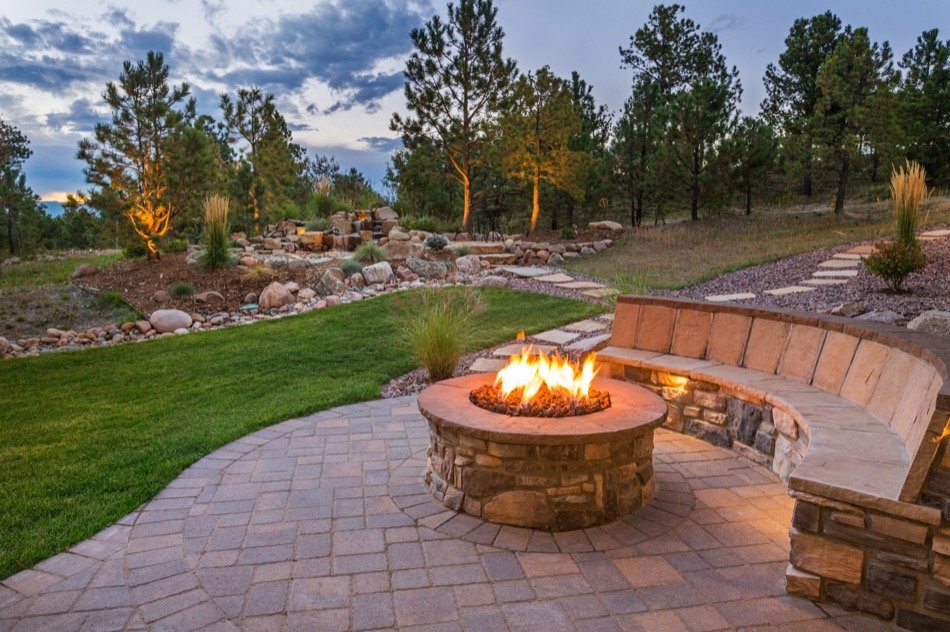
Installing A Fire Pit
An outdoor fire pit is great for family gatherings. It provides warmth and a cozy atmosphere. Follow these steps to install one:
- Choose a safe location away from structures.
- Mark the area for your fire pit.
- Dig a shallow hole about 6 inches deep.
- Fill the hole with gravel for drainage.
- Arrange fire-resistant bricks or stones in a circle.
- Add a metal fire ring for added safety.
Light up your evenings with a warm and inviting fire pit.
Sustainable Practices
Landscaping your yard with sustainable practices helps the environment and saves money. By using eco-friendly methods, you can create a beautiful and healthy garden. Explore some key techniques to make your yard both green and sustainable.
Implementing Xeriscaping
Xeriscaping involves choosing plants that need less water. This reduces your water usage significantly. Here are some tips to start xeriscaping:
- Choose native plants that thrive in your climate.
- Group plants with similar water needs together.
- Use mulch to retain soil moisture.
These steps help you create a low-maintenance and water-efficient garden.
Composting And Mulching
Using compost and mulch can enrich your soil and reduce waste. Composting involves recycling organic material like food scraps and leaves. Follow these steps:
- Start a compost pile in your yard.
- Add green and brown materials in layers.
- Turn the pile regularly to speed up decomposition.
Once your compost is ready, use it to improve soil health. Mulching helps retain moisture and reduce weeds. Spread mulch around your plants to keep the soil cool and healthy.
Water Conservation Techniques
Water conservation is crucial for a sustainable yard. Here are some effective techniques:
- Install a drip irrigation system to deliver water directly to the roots.
- Water your plants early in the morning to reduce evaporation.
- Collect rainwater in barrels for later use.
These methods help you save water and keep your plants healthy.
Maintaining Your Landscape
Maintaining your landscape is crucial for a beautiful yard. Proper care ensures plants thrive and the yard looks neat. A well-maintained yard also increases property value.
Regular Upkeep Schedule
Creating a regular upkeep schedule is essential. This schedule should include:
- Weekly mowing: Keep grass at an optimal height.
- Watering plants: Ensure plants get enough water.
- Weeding: Remove weeds to prevent competition.
- Pruning: Trim plants for healthy growth.
Consistency is key for a vibrant landscape.
Seasonal Tasks
Different seasons require specific tasks. Each season brings unique needs:
| Season | Tasks |
|---|---|
| Spring |
|
| Summer |
|
| Fall |
|
| Winter |
|
Dealing With Pests
Pests can ruin a beautiful landscape. Effective pest control is essential. Here are some steps:
- Identify the pest: Determine what is causing damage.
- Choose a method: Use natural or chemical treatments.
- Apply treatments: Follow instructions for safe use.
- Monitor results: Ensure pests are gone.
Regular checks help catch issues early.
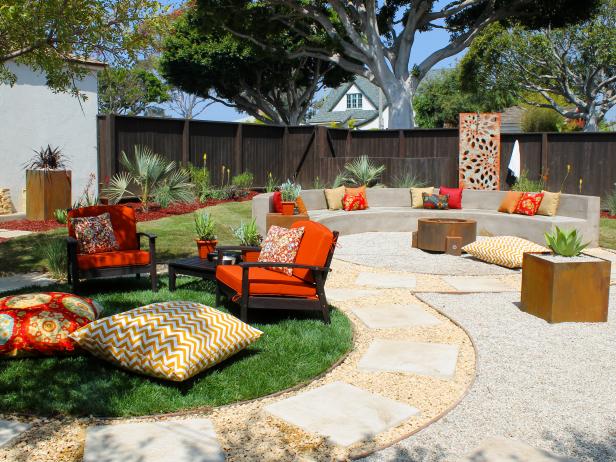
Credit: www.hgtv.com
Frequently Asked Questions
What Are The 7 Steps To Landscape Design?
The 7 steps to landscape design are: assess needs, create a plan, choose plants, design focal points, add structures, install irrigation, and maintain regularly.
How To Landscape A Backyard On A Budget?
Start with a plan. Use low-cost materials like mulch and gravel. Plant native, drought-resistant plants. DIY projects save money. Shop sales and reuse items.
How To Start Landscaping From Scratch?
Start by planning your design and budget. Clear the area of debris and weeds. Prepare the soil for planting. Choose suitable plants and materials. Plant and maintain regularly.
How To Landscape A Front Yard For Beginners?
Start with a plan and sketch your design. Choose plants suited to your climate. Add pathways and lighting. Use mulch for weed control. Maintain regularly.
Conclusion
Transforming your yard into a beautiful landscape is achievable with planning and creativity. Start with a vision, choose the right plants, and maintain regularly. Use these tips to create a serene outdoor space. Enjoy the process and watch your yard flourish into a peaceful retreat.
Happy landscaping!