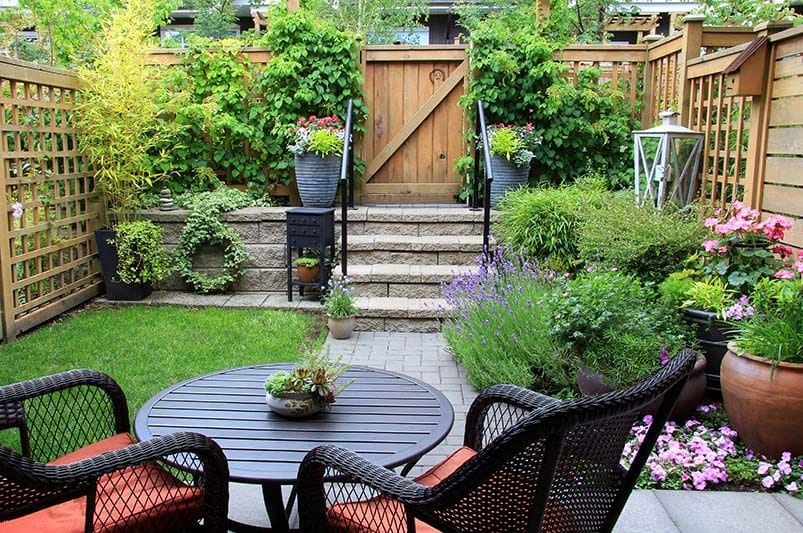
Maximize your small yard by using vertical gardening and multi-functional furniture. These strategies create space and enhance visual appeal.
Small yard landscaping can be challenging, but it presents unique opportunities for creativity. You don’t need a large area to craft a beautiful, functional outdoor space. Focus on vertical gardening to make the most of limited ground space. Use wall-mounted planters, trellises, and hanging baskets to add greenery without crowding.
Multi-functional furniture, like benches with storage or foldable tables, saves space while adding utility. Combining these elements helps create a cozy and efficient yard. Simple, thoughtful design choices can turn a small yard into a charming retreat. With careful planning, even the tiniest yard can become a welcoming outdoor haven.
Maximizing Space
Maximizing space in a small yard can be a fun challenge. With clever ideas, you can transform your yard into a beautiful and functional area. Below are some tips to help you make the most out of your small yard landscaping ideas.
Vertical Gardening
Vertical gardening is a great way to use your small yard space. It allows you to grow plants upwards rather than outwards. This method is perfect for small yards.
- Use trellises for climbing plants.
- Install wall planters.
- Hang pots and baskets.
Vertical gardening also adds a unique visual appeal. Your walls and fences can come alive with greenery. This method maximizes ground space for other activities.
Multi-functional Furniture
Multi-functional furniture is key in a small yard. Choose furniture that serves more than one purpose. This saves space and adds convenience.
| Furniture | Functions |
|---|---|
| Bench | Seating, Storage |
| Foldable Table | Dining, Extra space |
| Convertible Sofa | Seating, Sleeping |
Benches with storage can hide garden tools. Foldable tables can expand for guests but take less space when not in use. Convertible sofas provide seating during the day and a sleeping area at night.
With smart choices, your small yard can be both beautiful and practical.
Choosing The Right Plants
When planning your small yard landscaping, choosing the right plants is crucial. The right selection can transform your limited space into a lush, vibrant oasis. Let’s explore the best plant choices for your yard.
Native Species
Native plants are great for small yards. They are adapted to your local climate and soil. This means they need less water and care. Here are some benefits:
- Low Maintenance: Native plants thrive with minimal care.
- Supports Wildlife: They attract local birds and insects.
- Eco-Friendly: They reduce the need for fertilizers and pesticides.
Consider planting these native species:
| Plant Name | Benefit |
|---|---|
| Bluebells | Beautiful blue flowers in spring |
| Milkweed | Attracts butterflies |
| Redbud Tree | Early spring blooms |
Dwarf Varieties
Dwarf plants are perfect for small yards. They provide the beauty of larger plants but take up less space. Here are some popular dwarf varieties:
- Dwarf Japanese Maple: Offers stunning red foliage.
- Dwarf Boxwood: Ideal for small hedges or borders.
- Dwarf Hydrangea: Blooms with beautiful clusters of flowers.
Benefits of dwarf plants include:
- Space-Saving: Perfect for limited space.
- Easy to Manage: Simple to prune and maintain.
- Versatile: Fits well in containers or garden beds.
Choosing dwarf varieties ensures your yard stays manageable and attractive.
Creating Focal Points
Making a small yard look beautiful can be challenging. One effective way to enhance your space is by creating focal points. These draw attention and make the yard seem larger. Here are some ideas to help you start.
Water Features
Adding a water feature can make your yard more attractive. Even small water fountains can create a calm atmosphere. The sound of water is very relaxing. It also attracts birds, adding life to your yard. Choose a water feature that fits your yard’s size. A small pond or a simple bird bath can work wonders.
Statement Plants
Statement plants are large plants that catch the eye. They can be a tree, a bush, or a tall plant. These plants should stand out from the rest. Use them to create a natural focal point. Place them where they can be seen easily. This could be at the center or at a corner of your yard.
Here are some popular statement plants:
- Japanese Maple
- Bamboo
- Topiary Bushes
- Ornamental Grasses
Remember, focal points help make your small yard look unique and inviting. Choose elements that reflect your style and enjoy your beautiful space!
Using Color Wisely
Using color wisely can transform your small yard into a vibrant oasis. Colors can create moods, draw attention, and even make spaces appear larger. By selecting the right colors, you can maximize the beauty of your small yard.
Color Schemes
Choosing the right color schemes is crucial. For small yards, opt for a unified color palette. This keeps the space from feeling chaotic. Use a combination of cool and warm colors to add depth and interest.
- Cool colors like blues and greens create a calming effect.
- Warm colors like reds and yellows make the space feel lively.
A monochromatic scheme can make the yard look bigger. For instance, different shades of green can create a cohesive look. Use contrasting colors for focal points. This draws the eye to specific areas.
Seasonal Blooms
Planting seasonal blooms ensures your yard looks vibrant all year round. Choose plants that bloom in different seasons. This keeps your yard colorful throughout the year.
| Season | Blooming Plants |
|---|---|
| Spring | Tulips, Daffodils |
| Summer | Roses, Sunflowers |
| Fall | Chrysanthemums, Asters |
| Winter | Pansies, Camellias |
Use flowering shrubs for year-round color. Examples include hydrangeas and azaleas. Evergreen plants also keep the yard looking lush during winter.
By using color wisely, you can make your small yard feel larger and more inviting. Choose the right color schemes and seasonal blooms to enhance your landscaping efforts.
Incorporating Hardscapes
Incorporating hardscapes into your small yard can transform the space. Hardscapes are non-living elements like pathways, patios, and walls. They add structure and functionality to your yard. Properly planned hardscapes can make a small yard feel larger and more inviting. Here are some ideas to get you started.
Pathways
Pathways provide structure and direction in your yard. They help guide visitors through your garden. Choose materials like stone, brick, or gravel.
- Stone Pathways: Natural stones blend seamlessly with your garden. They create a rustic, organic look.
- Brick Pathways: Bricks offer a classic and timeless appeal. They are durable and easy to maintain.
- Gravel Pathways: Gravel is budget-friendly and easy to install. It provides good drainage and prevents weeds.
Make sure your pathway is wide enough for easy movement. Curved paths create a sense of mystery and exploration.
Patios
Patios extend your living space into the outdoors. They are perfect for dining, relaxing, or entertaining guests.
- Concrete Patios: Concrete is versatile and durable. You can stamp or stain it for a unique look.
- Wood Decks: Wood decks bring warmth and a natural feel. They are ideal for elevated spaces.
- Flagstone Patios: Flagstone offers a natural, rugged appearance. It is slip-resistant and durable.
Enhance your patio with comfortable furniture and a fire pit. Add potted plants for a touch of greenery.
:strip_icc()/back-yard-fire-pit-deck-bc1d716b-f8ac9935591e4699828efa7821bb6c17.jpg)
Credit: www.bhg.com
Lighting Techniques
Lighting can transform your small yard into a magical retreat. With the right techniques, your yard can look bigger and more inviting. Let’s explore some effective lighting methods to enhance your small yard landscaping ideas.
Ambient Lighting
Ambient lighting provides general illumination for your yard. It creates a warm and welcoming atmosphere. You can use string lights, lanterns, or solar-powered LED lights. They are easy to install and energy-efficient.
| Lighting Type | Features |
|---|---|
| String Lights | Flexible, easy to hang, and create a cozy ambiance |
| Lanterns | Portable, decorative, and offer soft lighting |
| Solar-powered LED Lights | Eco-friendly, cost-effective, and require no wiring |
Accent Lighting
Accent lighting highlights specific features in your yard. It draws attention to plants, statues, or water features. Use spotlights, uplights, or pathway lights to create focal points.
- Spotlights: Direct a beam of light on an object. Great for trees or sculptures.
- Uplights: Shine light upwards. Ideal for highlighting plant bases.
- Pathway Lights: Illuminate walkways. They add safety and beauty.
Combining ambient and accent lighting creates depth and dimension. Use these techniques to make your small yard shine.
Sustainable Practices
Sustainable Practices can help you create a beautiful small yard while caring for the earth. By using eco-friendly methods, you can make your yard lovely and healthy.
Rainwater Harvesting
Rainwater Harvesting is a smart way to save water. You can collect rainwater in barrels. Use this water to nourish your plants. Follow these steps to set up a rainwater harvesting system:
- Place a barrel under your gutter’s downspout.
- Install a screen to keep out leaves and bugs.
- Add a spigot at the bottom for easy water access.
Using rainwater reduces your water bill. It also helps your plants grow strong.
Composting
Composting turns kitchen scraps and yard waste into rich soil. This soil boosts plant growth. Follow these steps to start composting:
- Choose a compost bin or make a pile in a corner of your yard.
- Add green materials like fruit peels and vegetable scraps.
- Add brown materials like dry leaves and paper.
- Turn the compost every few weeks to mix it up.
Composting reduces waste and creates healthy soil. Your plants will love it!
| Sustainable Practice | Benefit |
|---|---|
| Rainwater Harvesting | Save water and reduce bills |
| Composting | Reduce waste and enrich soil |
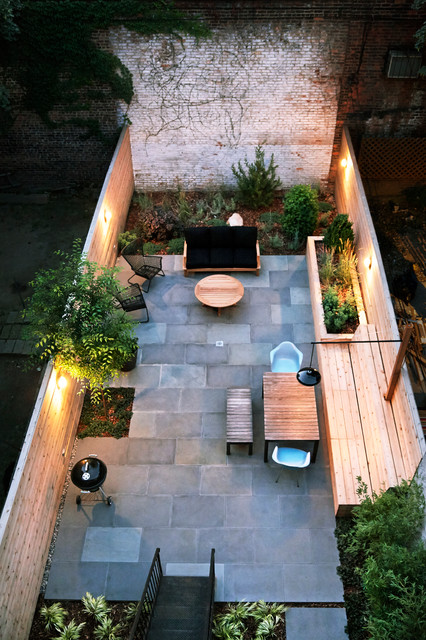
Credit: www.houzz.com
Maintaining Your Yard
Maintaining your yard is crucial for keeping it beautiful and healthy. Regular care helps your small yard shine. This section covers important aspects of yard maintenance.
Regular Pruning
Pruning is essential to keep your plants healthy. Cut back dead or overgrown branches. This encourages new growth and keeps your yard neat. Use sharp tools to avoid damaging your plants. Regular pruning also helps prevent diseases.
Soil Health
Healthy soil is the foundation of a vibrant yard. Test your soil regularly to check its pH levels. Use organic compost to enrich the soil. This improves plant growth and resilience. Ensure proper drainage to prevent waterlogging. Healthy soil supports strong roots and beautiful plants.
:strip_icc()/small-garden-ideas-1-finding-lovely-august-in-the-garden-71ea62602c36498a887be9d1bd39cb45.jpeg)
Credit: www.mydomaine.com
Frequently Asked Questions
How Do I Maximize My Small Backyard?
Maximize your small backyard by using vertical gardening, multi-functional furniture, and compact plants. Create cozy seating areas and add mirrors for a spacious feel. Optimize lighting for evening use.
How To Make A Small Yard Functional?
Maximize a small yard by using vertical gardening, multi-functional furniture, and compact plants. Create defined zones for seating, dining, and play. Use mirrors to create an illusion of space and add proper lighting for ambiance. Keep the design simple and clutter-free.
How Do You Arrange A Small Yard?
Arrange a small yard by using vertical gardening, compact furniture, and multi-purpose spaces. Add layers with plants and decorative items. Create cozy zones for relaxation. Keep pathways clear to maximize space. Use mirrors to create the illusion of a larger area.
How Can I Make My Backyard Beautiful On A Low Budget?
Add colorful plants and flowers. Use DIY garden décor. Create a cozy seating area with budget-friendly furniture. Incorporate solar lights. Maintain cleanliness and trim regularly.
Conclusion
Maximizing your small yard’s potential can transform it into a beautiful, functional space. By using creative landscaping ideas, you can enhance its beauty and utility. Remember to plan carefully, choose the right plants, and utilize vertical space. Embrace these tips to enjoy a stunning and inviting outdoor area.