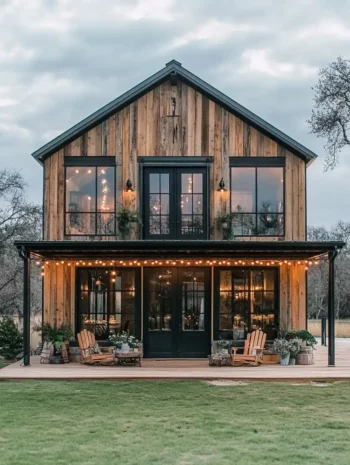
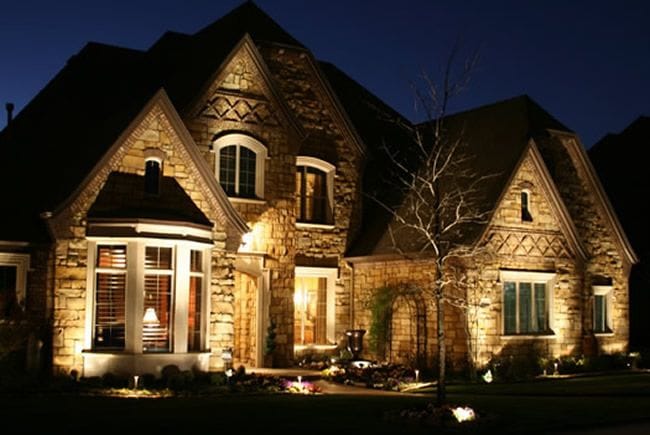
Exterior lighting enhances your home’s safety and highlights its architectural features. Proper lighting creates a welcoming atmosphere and boosts curb appeal.
Choosing the right exterior lighting involves understanding different types of fixtures and their purposes. Pathway lights guide visitors safely to your door, while spotlights accentuate landscaping. Wall-mounted lights provide security and style near entrances. Energy-efficient options, like LED lights, offer long-lasting performance.
Consider the placement of lights to avoid dark spots and ensure even illumination. Motion sensors and timers add convenience and security, automatically turning lights on and off. Investing in quality exterior lighting not only improves functionality but also elevates the aesthetic appeal of your home, making it more inviting for guests and safer for residents.
Introduction To Exterior Lighting
Exterior lighting is essential for any home. It enhances safety, security, and aesthetics. Proper lighting can transform your outdoor space. Understanding exterior lighting helps you make informed choices.
Why Exterior Lighting Matters
Exterior lighting serves many important purposes. It illuminates pathways, driveways, and entryways. This reduces the risk of trips and falls. It also deters intruders by brightening dark areas.
Additionally, it highlights your home’s architectural features. This increases its curb appeal. Well-placed lights can also create a welcoming atmosphere for guests.
Benefits Of Proper Lighting
| Benefit | Description |
|---|---|
| Safety | Reduces accidents by lighting up paths and stairs. |
| Security | Deters potential burglars and intruders. |
| Aesthetics | Enhances the beauty of your home and garden. |
| Usability | Makes outdoor spaces usable at night. |
Proper lighting also boosts your home’s value. It makes outdoor areas more functional. You can enjoy barbecues, parties, and quiet evenings outside.
Types Of Exterior Lighting
Understanding exterior lighting for your home can make a big difference. The right lighting adds beauty and safety to your outdoor spaces. There are different types of exterior lighting. Each type serves a unique purpose. Let’s explore the main types of exterior lighting.
Ambient Lighting
Ambient lighting provides overall outdoor light. It helps set the mood in your yard. This lighting is usually soft and gentle. It’s perfect for relaxing evenings outside.
- Pathway lights
- Post lights
- Hanging lights
Use ambient lighting to brighten large areas. It creates a warm and inviting atmosphere.
Task Lighting
Task lighting helps you see specific areas clearly. This type of lighting is bright and focused. Use it for tasks like grilling, walking up steps, or working on projects.
- Security lights
- Deck lights
- Outdoor wall lights
Task lighting adds safety and functionality to your outdoor spaces.
Accent Lighting
Accent lighting highlights special features. It draws attention to plants, trees, or artwork. This type of lighting is often decorative and stylish.
- Spotlights
- Uplights
- Landscape lights
Use accent lighting to create focal points in your yard. It adds depth and drama to your landscape.
| Type | Examples | Purpose |
|---|---|---|
| Ambient Lighting | Pathway lights, Post lights, Hanging lights | Overall light, Mood setting |
| Task Lighting | Security lights, Deck lights, Outdoor wall lights | Focused light, Safety and functionality |
| Accent Lighting | Spotlights, Uplights, Landscape lights | Highlight features, Decorative |
Choosing The Right Fixtures
Understanding exterior lighting for your home can be exciting. Choosing the right fixtures can make your home look beautiful. It also adds safety and security. Here, we will explore three types of fixtures: wall-mounted, pathway lights, and spotlights/floodlights.
Wall-mounted Fixtures
Wall-mounted fixtures are great for lighting doorways and patios. They add charm and safety. These fixtures are mounted directly on walls. They come in various designs and styles.
Benefits of Wall-Mounted Fixtures:
- Enhance curb appeal
- Provide focused lighting
- Easy to install and maintain
Pathway Lights
Pathway lights illuminate walkways and driveways. They guide your steps at night. These lights are usually installed along the ground.
Benefits of Pathway Lights:
- Improve safety by lighting pathways
- Add a decorative touch to your garden
- Low energy consumption
Spotlights And Floodlights
Spotlights and floodlights are used for highlighting specific areas. Spotlights focus on one spot. Floodlights cover a larger area with bright light.
Benefits of Spotlights and Floodlights:
- Highlight architectural features
- Increase security with bright illumination
- Durable and weather-resistant
| Type | Primary Use | Benefits |
|---|---|---|
| Wall-Mounted Fixtures | Doorways, patios | Enhance curb appeal, focused lighting |
| Pathway Lights | Walkways, driveways | Improve safety, decorative touch |
| Spotlights and Floodlights | Highlight areas, security | Highlight features, increase security |
Choosing the right fixtures can transform your home’s exterior. Make it beautiful, safe, and secure.

Credit: www.lightmyhouse.net
Energy-efficient Options
Choosing energy-efficient options for exterior lighting saves money and the environment. Modern technologies offer many choices to suit your needs and preferences.
Led Lights
LED lights are a popular choice for exterior lighting. They use less energy and last longer than traditional bulbs. LED lights come in various colors and brightness levels. They are perfect for highlighting pathways, gardens, and architectural features.
Benefits of LED lights:
- Low energy consumption
- Long lifespan
- Environmentally friendly
- Available in different colors and intensities
Solar-powered Lights
Solar-powered lights are another excellent energy-efficient option. These lights use solar panels to charge during the day. At night, they provide free, renewable energy. Solar lights are easy to install since they don’t need wiring.
Advantages of solar-powered lights:
- Cost-effective
- Easy installation
- Environmentally friendly
- Low maintenance
Motion Sensors
Motion sensors are a smart addition to any exterior lighting setup. They activate lights only when movement is detected. This feature conserves energy and enhances security. Motion sensors are ideal for entryways, driveways, and backyards.
Key benefits of motion sensors:
- Energy savings
- Enhanced security
- Convenience
- Longevity of light bulbs
Installation Tips And Tricks
Installing exterior lighting enhances the beauty and safety of your home. This guide provides essential tips and tricks for a successful installation. You’ll learn about planning, safety, and whether to DIY or hire a professional.
Planning Your Layout
Proper planning is crucial for exterior lighting. Start by identifying the key areas you want to illuminate. Common areas include pathways, doorways, and garden features.
- Measure the areas you plan to light up.
- Sketch a rough layout on paper.
- Consider the type of lights you want to use.
Use a mix of lighting types for a balanced look. For example, use floodlights for large areas and spotlights for specific features. Solar lights are eco-friendly and easy to install. Make sure to check the power sources available near the planned lighting areas.
Safety Precautions
Safety should always be your top priority. Here are some safety tips:
- Turn off the power before starting any electrical work.
- Use weather-resistant fixtures and materials.
- Wear insulated gloves to avoid electric shocks.
- Keep a safe distance from flammable materials.
Ensure all electrical connections are secure and protected from moisture. Use proper tools and follow the manufacturer’s instructions. It’s important to double-check all connections for safety.
Diy Vs. Professional Installation
Deciding between DIY and professional installation depends on your skills and budget. Let’s look at the pros and cons of each option.
| DIY Installation | Professional Installation |
|---|---|
|
|
DIY installation is ideal if you have basic electrical knowledge. It saves money and allows you to work at your own pace. Ensure you follow all safety guidelines and use the right tools.
Professional installation offers peace of mind. Professionals have the expertise to handle complex installations. They also provide warranties, ensuring long-term reliability.

Credit: www.creativeinteriorsanddesign.com
Enhancing Curb Appeal
Exterior lighting can transform your home’s look. Proper lighting boosts your home’s curb appeal. It makes your home inviting and beautiful. Let’s explore how to achieve this.
Highlighting Architectural Features
Use lights to show off your home’s unique features. Place lights under windows, arches, or columns. This creates shadows and depth. It draws attention to the beauty of your home.
Consider using spotlights or uplights. Spotlights are ideal for tall structures. Uplights work well for shorter features. Both create dramatic effects.
Here’s a simple table to guide you:
| Feature | Recommended Light |
|---|---|
| Windows | Uplight |
| Columns | Spotlight |
| Arches | Spotlight |
Using Color Temperature
Color temperature affects the mood of your home. Warm light feels cozy and inviting. Cool light is modern and clean.
Use warm lights for living areas. Use cool lights for pathways and driveways. This creates balance and harmony.
- Warm Light (2700K-3000K): Best for living spaces
- Cool Light (3500K-4100K): Ideal for functional areas
- Daylight (5000K-6500K): Use sparingly
Seasonal Decorations
Change your lighting with the seasons. Use string lights for holidays. Add lanterns for autumn. Swap colors for different celebrations.
Seasonal lights make your home feel festive. They also show your personal style.
- Spring: Pastel string lights
- Summer: Bright lanterns
- Fall: Warm-toned lanterns
- Winter: Cool string lights
Enhance your home with thoughtful lighting choices. It’s easy and fun to do.
Security Considerations
Understanding exterior lighting is crucial for your home’s security. Proper lighting can deter intruders and enhance your safety. Let’s delve into some important security considerations.
Deterring Intruders
Bright lights can scare away intruders. They prefer darkness to hide. Use motion-sensor lights to catch them off guard. These lights turn on when they sense movement. This sudden light can make intruders think twice.
Strategic Placement
Place lights at all entry points. This includes doors, windows, and garages. Light up pathways and driveways too. Use lights to eliminate dark spots around your home. Keep bushes and trees well-lit. Intruders can hide behind them.
Integration With Security Systems
Combine lights with security cameras. This improves your home’s safety. Cameras work better in good lighting. Connect lights to your alarm system. If lights detect motion, the alarm can sound. This can alert you immediately.
| Security Feature | Benefit |
|---|---|
| Motion-Sensor Lights | Startle and scare intruders |
| Well-Lit Entry Points | Reduce hiding spots |
| Integrated Systems | Enhanced overall security |
Maintenance And Upkeep
Exterior lighting enhances the beauty and security of your home. To keep your lights functioning well, regular maintenance is essential. This section covers the basics of keeping your exterior lighting in top shape.
Regular Cleaning
Dust and dirt can accumulate on your lights. This reduces their brightness. Regular cleaning ensures they shine brightly.
- Use a soft cloth to wipe the fixtures.
- For stubborn dirt, use mild soap and water.
- Check for cobwebs and remove them.
Replacing Bulbs
Bulbs can burn out over time. Replacing bulbs promptly keeps your lighting effective.
- Turn off the power before replacing bulbs.
- Choose the correct wattage for your fixtures.
- Dispose of old bulbs properly.
Weatherproofing
Outdoor lights face harsh weather conditions. Weatherproofing your lights ensures they last longer.
| Task | Frequency |
|---|---|
| Check seals and gaskets | Twice a year |
| Inspect for water damage | After heavy rains |
| Apply protective coatings | Annually |
By following these steps, your exterior lights will stay in excellent condition. Proper maintenance and upkeep ensure your home remains well-lit and secure.

Credit: www.cllandscape.com
Frequently Asked Questions
How Do I Choose Outdoor Lighting For My House?
Choose outdoor lighting by considering your needs, style, and security. Opt for energy-efficient LED lights. Highlight pathways and key features. Select weather-resistant fixtures. Ensure proper placement for balanced illumination.
How To Mix And Match Exterior Lighting?
Mix and match exterior lighting by combining different styles, such as wall lights, string lights, and pathway lights. Ensure consistent color temperature and material. Focus on key areas like doorways, pathways, and seating areas. Balance functionality and aesthetics for a cohesive look.
What Are The Recommended Lighting Levels For Exterior Lighting?
Recommended lighting levels for exterior lighting range from 0. 5 to 5 foot-candles. Pathways need 1-2 foot-candles. Security areas require 5 foot-candles.
What Lights Are Best For Outside The House?
LED lights, solar-powered lights, and motion sensor lights are best for outside the house. They offer energy efficiency and security.
Conclusion
Enhancing your home’s exterior lighting boosts safety and beauty. Choose the right fixtures for functional and aesthetic appeal. Remember, proper lighting can transform your outdoor space into a welcoming haven. Invest time in planning and enjoy the enhanced ambiance and security it brings to your home.