
Plant grass seed in early fall or spring for optimal growth. These seasons provide ideal temperatures and moisture levels.
Planting grass seed at the right time ensures a lush, healthy lawn. Early fall offers cooler temperatures and frequent rain, perfect for seed germination. Spring is also suitable due to warming soil and increased daylight, encouraging strong root development. Avoid summer planting as heat and dry conditions can hinder growth.
Choose high-quality seeds for best results. Proper timing, combined with good soil preparation and regular watering, promotes a beautiful, resilient lawn. Whether you’re repairing patches or starting anew, seeding in fall or spring maximizes success and minimizes maintenance.
Optimal Planting Times
Planting grass seed at the right time is crucial. This ensures healthy growth and a lush, green lawn. Knowing the optimal planting times can make all the difference.
Spring Advantages
Spring offers many advantages for planting grass seed. The soil warms up, which helps seeds germinate quickly. The weather is also mild, creating ideal conditions for growth.
- Warmer soil: Promotes faster germination.
- Mild weather: Reduces stress on new grass.
- Plentiful rain: Ensures seeds stay moist.
Planting in spring allows grass to establish before summer heat. This helps the grass survive and thrive during hot months.
Fall Benefits
Fall is another excellent time to plant grass seed. The soil remains warm from summer, aiding germination. Cooler air temperatures reduce stress on new grass.
- Warm soil: Continues to promote germination.
- Cooler air: Lessens stress on new grass.
- Less weed competition: Helps grass grow stronger.
Fall planting gives grass time to root before winter. This results in a stronger lawn when spring arrives.
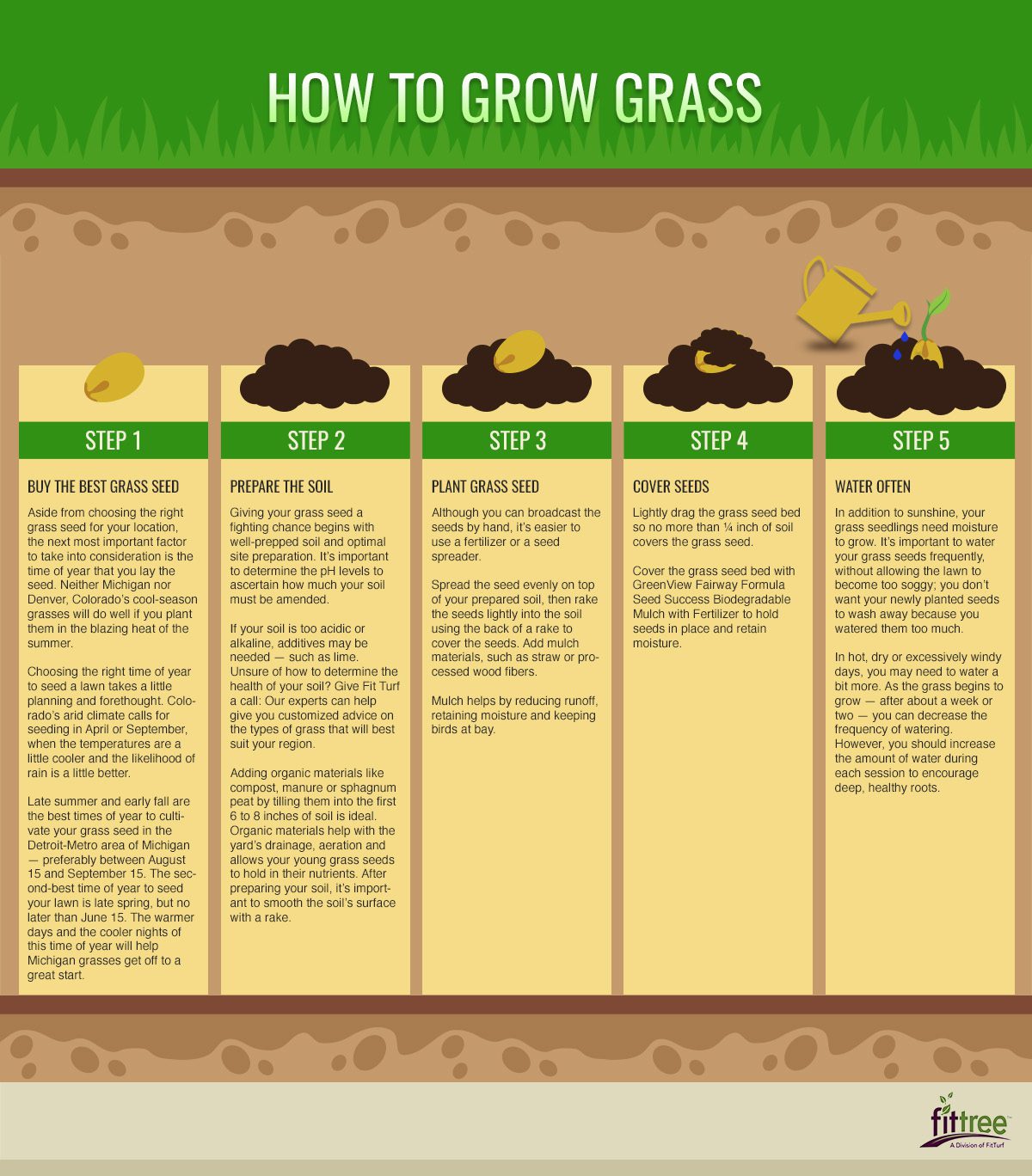
Credit: fitturf.com
Climate Considerations
Understanding climate considerations is crucial for planting grass seed. Your region’s climate affects the type of grass you should plant. This guide will help you decide the best time to plant grass seed based on your local climate.
Cool-season Grasses
Cool-season grasses thrive in cooler temperatures. They grow best in spring and fall. The most common types are:
- Kentucky Bluegrass
- Perennial Ryegrass
- Fescue
Plant cool-season grasses in early fall or spring. The soil should be around 50°F to 65°F. These grasses can endure frost and cool weather.
Warm-season Grasses
Warm-season grasses prefer hot temperatures. They grow best in late spring and summer. The most common types are:
- Bermuda Grass
- Zoysia Grass
- St. Augustine Grass
Plant warm-season grasses when soil temperatures reach 70°F to 95°F. This usually happens in late spring to early summer. These grasses thrive in hot and humid conditions.
Soil Preparation
Proper soil preparation is crucial for planting grass seed. Healthy soil ensures robust grass growth and a beautiful lawn. This section covers the essential steps for preparing your soil.
Testing Soil
Testing your soil helps determine its nutrient levels and pH balance. Use a soil testing kit to check these factors. Follow the instructions on the kit for accurate results. Ideal pH levels for grass range from 6.0 to 7.0.
Steps to test your soil:
- Collect soil samples from different lawn areas.
- Mix the samples in a clean container.
- Fill the test kit with the mixed soil.
- Compare the results with the provided chart.
Amending Soil
If your soil test shows deficiencies, amend your soil accordingly. Add lime to increase pH if the soil is too acidic. Use sulfur to lower pH if the soil is too alkaline.
Common soil amendments:
- Compost: Adds organic matter and improves soil structure.
- Sand: Enhances drainage in heavy clay soils.
- Gypsum: Breaks up compacted soil and adds calcium.
Mix these amendments into the top 6 inches of soil. Use a tiller or garden fork for thorough mixing.
Example of soil amendments:
| Amendment | Purpose |
|---|---|
| Compost | Improves soil structure and fertility |
| Sand | Improves drainage in clay soil |
| Gypsum | Breaks up compacted soil |
After amending, water the soil to help settle it. Let it rest for a few days before planting grass seed.
Seed Selection
Choosing the right grass seed is crucial for a lush, green lawn. This section will guide you through selecting the best varieties and whether to use blends or single types of seeds.
Choosing Varieties
Different grass varieties thrive in different climates. Cool-season grasses like Kentucky bluegrass grow well in northern regions. Warm-season grasses like Bermuda grass are perfect for southern areas. Consider your local climate before selecting a variety.
| Climate | Grass Type |
|---|---|
| Cool-season | Kentucky Bluegrass, Fescue, Ryegrass |
| Warm-season | Bermuda, Zoysia, St. Augustine |
Blends Vs. Single Types
Blends contain multiple grass species. This increases resilience against diseases and pests. Single-type seeds focus on one grass variety. These are ideal for uniform lawns.
- Blends: Good for varied conditions and mixed sunlight.
- Single Types: Best for specific needs and uniform appearance.
Choose a seed type that matches your lawn’s needs. For mixed sunlight areas, blends are better. For a specific look, go with single types.
Planting Techniques
Getting your lawn green and lush starts with the right planting techniques. Knowing how to plant grass seed properly can make all the difference. Let’s look at two common methods: broadcast seeding and hydroseeding.
Broadcast Seeding
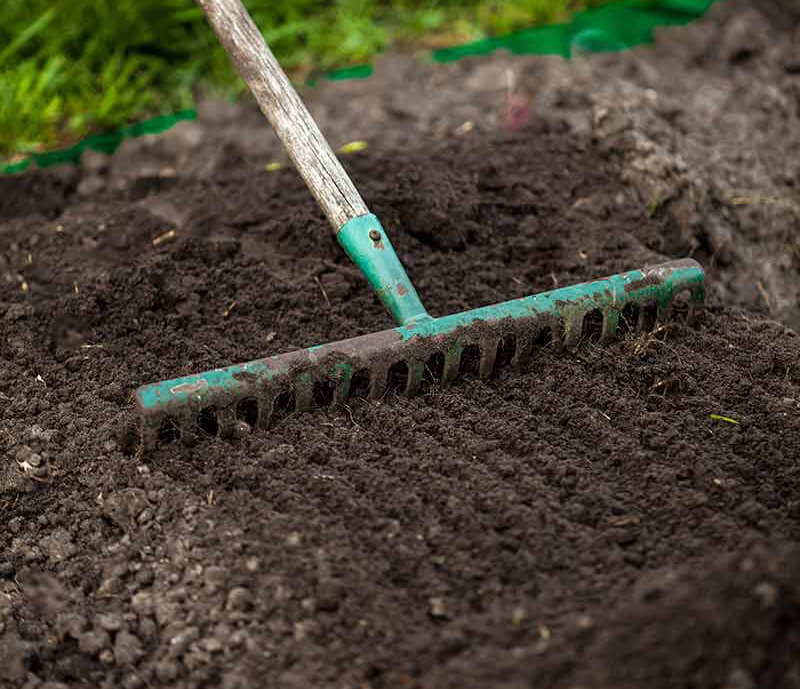
Broadcast seeding is a simple and popular method. It involves spreading grass seed evenly over the soil surface. You can use a hand-held spreader or a push spreader for this task.
- Prepare the Soil: Loosen the top 2-3 inches of soil.
- Spread the Seeds: Use the spreader to distribute seeds evenly.
- Rake the Area: Lightly rake the soil to cover the seeds.
- Watering: Water the area gently to keep it moist.
Keep the soil moist until the grass is well-established. This process can take several weeks.
Hydroseeding
Hydroseeding is another effective method. It involves spraying a mixture of seed, mulch, and water. This mixture is called slurry.
| Steps | Description |
|---|---|
| Prepare the Soil: | Loosen the top layer of soil. |
| Mix the Slurry: | Combine seed, mulch, and water in a tank. |
| Spray the Mixture: | Use a hose to spray the slurry over the soil. |
| Watering: | Keep the soil moist until the grass grows. |
Hydroseeding can result in faster germination. The mulch in the slurry helps keep the seeds in place.
Credit: www.pennington.com
Watering Guidelines
Proper watering is crucial for successful grass seed germination. The right amount of water can make all the difference. Understanding the watering guidelines ensures your new lawn thrives.
Initial Watering
Begin by watering the soil before planting the grass seed. The soil should be moist but not waterlogged. Use a fine mist setting on your hose to avoid washing away the seeds. Water the area for about 10-15 minutes.
After planting, keep the top 1-2 inches of soil consistently moist. Water lightly several times a day. The goal is to prevent the soil from drying out. This helps the seeds germinate effectively.
Consider the following schedule for the first week:
| Time of Day | Duration |
|---|---|
| Morning | 5-10 minutes |
| Midday | 5-10 minutes |
| Evening | 5-10 minutes |
Ongoing Hydration
Once the grass starts to grow, adjust your watering routine. Reduce the frequency but increase the duration of each watering session. This helps the roots grow deeper.
Water the grass once daily during the early morning. Early morning watering reduces evaporation and allows grass to absorb water effectively. Aim for about 20-30 minutes per session.
Here is a suggested schedule after the initial week:
- Watering time: Early morning
- Duration: 20-30 minutes
- Frequency: Once daily
Monitor the grass and adjust watering as needed. If the grass looks dry or wilts, increase the watering duration. If puddles form, reduce the amount of water.
By following these watering guidelines, your grass seed will thrive and grow into a lush lawn.
Maintenance Tips
After planting grass seed, maintaining it is crucial for a lush lawn. Proper maintenance ensures healthy, vibrant grass. Follow these simple tips to keep your lawn in top condition.
Mowing Practices
Mowing is key to a healthy lawn. Cut grass to the right height. Aim for 2-3 inches tall. Never remove more than one-third of the grass blade at once. This prevents stress and promotes growth.
- Mow when grass is dry.
- Keep mower blades sharp.
- Change mowing direction each time.
Fertilizing Schedule
Fertilizing provides essential nutrients to your lawn. Follow a regular schedule for the best results. Below is a simple fertilizing schedule:
| Season | Action |
|---|---|
| Spring | Apply a balanced fertilizer. |
| Summer | Use a slow-release fertilizer. |
| Fall | Apply a winterizer fertilizer. |
Always read the instructions on the fertilizer bag. Over-fertilizing can harm your lawn.

Credit: savvygardening.com
Common Mistakes
Planting grass seed sounds simple, but many make common mistakes. Avoiding these errors can help you achieve a lush, green lawn. Let’s look at some of the most frequent issues people face.
Overseeding Issues
Overseeding can lead to problems if not done correctly. Many make the mistake of using too much seed. This can cause the seeds to compete for nutrients.
Here are some key tips to avoid overseeding issues:
- Check the seed rate: Follow the instructions on the seed bag.
- Prepare the soil: Ensure the soil is loose and well-drained.
- Water properly: Keep the soil moist but not waterlogged.
Following these steps can prevent overseeding problems. A balanced approach ensures better growth.
Improper Timing
Timing is crucial when planting grass seed. Planting at the wrong time can lead to poor results. Each grass type has an ideal planting season.
Refer to the table below for the best planting times:
| Grass Type | Best Planting Season |
|---|---|
| Cool-Season Grasses | Fall or Spring |
| Warm-Season Grasses | Late Spring or Early Summer |
Cool-Season Grasses thrive in cooler temperatures. Fall and spring are ideal for planting these seeds.
Warm-Season Grasses need warmer soil. Late spring or early summer is best for these types.
Understanding the best time to plant can make a significant difference. Proper timing leads to healthier, stronger grass.
Frequently Asked Questions
What Months Are Best To Put Grass Seed Down?
The best months to plant grass seed are early fall and spring. These seasons offer ideal growing conditions.
Can I Just Throw Grass Seed On Bare Spots?
Yes, you can throw grass seed on bare spots, but it’s not ideal. Prepare the soil first for better results.
When Should You Not Plant Grass Seed?
Avoid planting grass seed during extreme temperatures. Summer heat and winter frost can hinder seed growth. Early spring and early fall are ideal.
Can I Just Throw Grass Seed Down On An Existing Lawn?
Yes, you can throw grass seed on an existing lawn, but for best results, prepare the soil first. Aerate and dethatch the lawn, then apply seed evenly and water regularly.
Conclusion
Timing is crucial for planting grass seed. Choose the right season to ensure healthy growth. Spring and fall are ideal times. Proper planning leads to a lush, green lawn. Follow these guidelines and watch your yard thrive. Happy planting!