

To start with cedar trees, choose a sunny location with well-draining soil. Ensure adequate space for growth.
Cedar trees are a popular choice for landscaping due to their attractive appearance and durability. They thrive in full sun and well-drained soil, making them suitable for various climates. Before planting, test the soil to ensure it provides the necessary nutrients.
Space the trees adequately to accommodate their mature size. Regular watering and occasional pruning help maintain their shape and health. Cedar trees also offer natural pest resistance, reducing maintenance needs. Whether for privacy, shade, or aesthetic appeal, cedar trees make a versatile addition to any garden or yard. Proper care ensures they flourish for years to come.
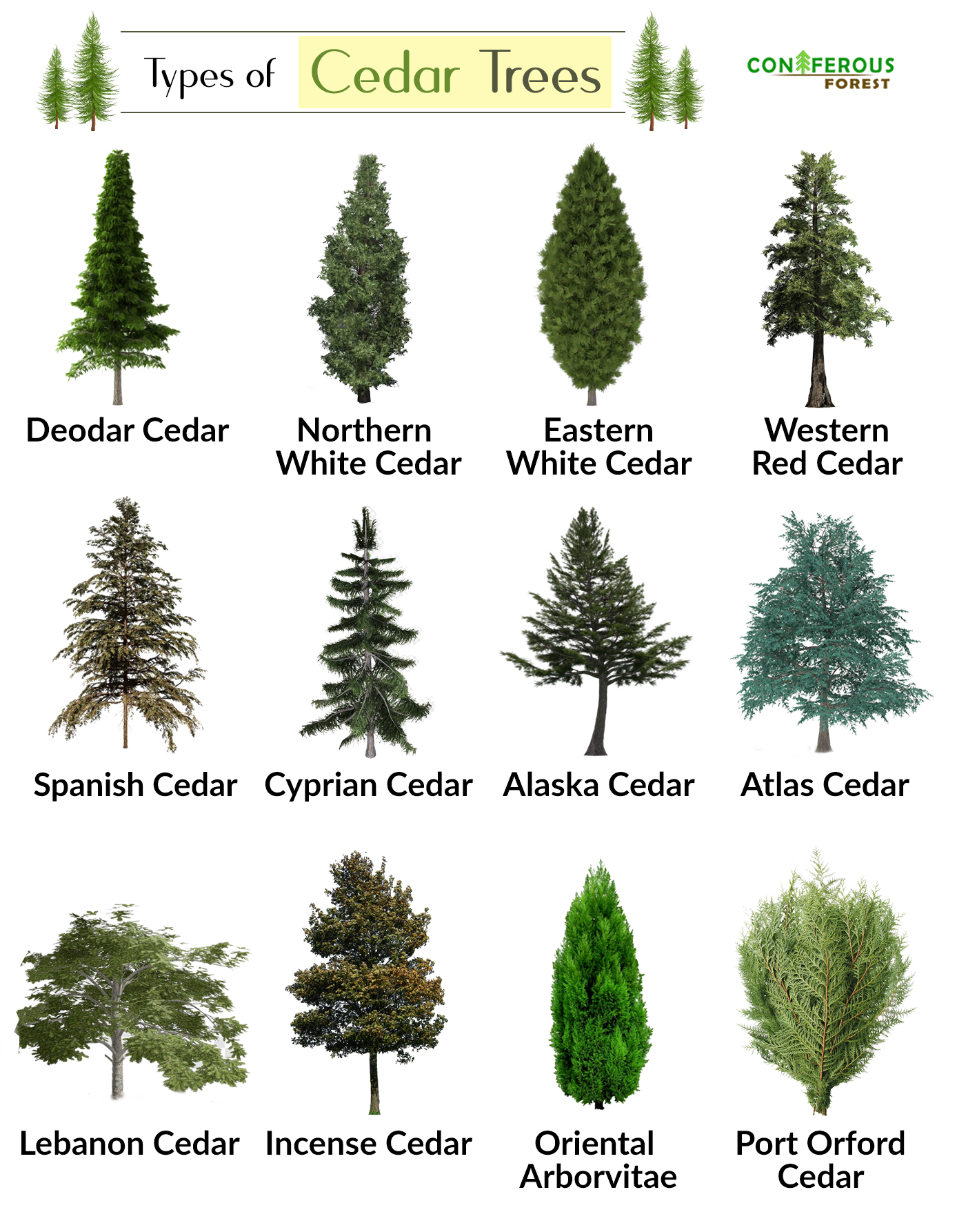
Credit: www.coniferousforest.com
Introduction To Cedar Trees
Cedar trees are among the most majestic trees in the world. They are well-loved for their beauty and practicality. These trees can enhance any landscape. Let’s dive into the world of cedar trees.
Why Choose Cedars?
Cedar trees offer many benefits. They are known for their durable wood. This wood resists rot and decay. Cedars also provide year-round greenery. Their aromatic wood repels insects, making them ideal for various uses.
Planting cedars can improve air quality. They absorb carbon dioxide and release oxygen. Cedars also offer excellent windbreak and privacy.
Types Of Cedar Trees
There are several types of cedar trees. Each type has unique features. Below is a table of common cedar tree types:
| Type | Scientific Name | Key Features |
|---|---|---|
| Eastern Red Cedar | Juniperus virginiana | Dense foliage, red bark, berry-like cones |
| Western Red Cedar | Thuja plicata | Large size, fragrant wood, scale-like leaves |
| Atlas Cedar | Cedrus atlantica | Blue-green needles, pyramidal shape, drought-resistant |
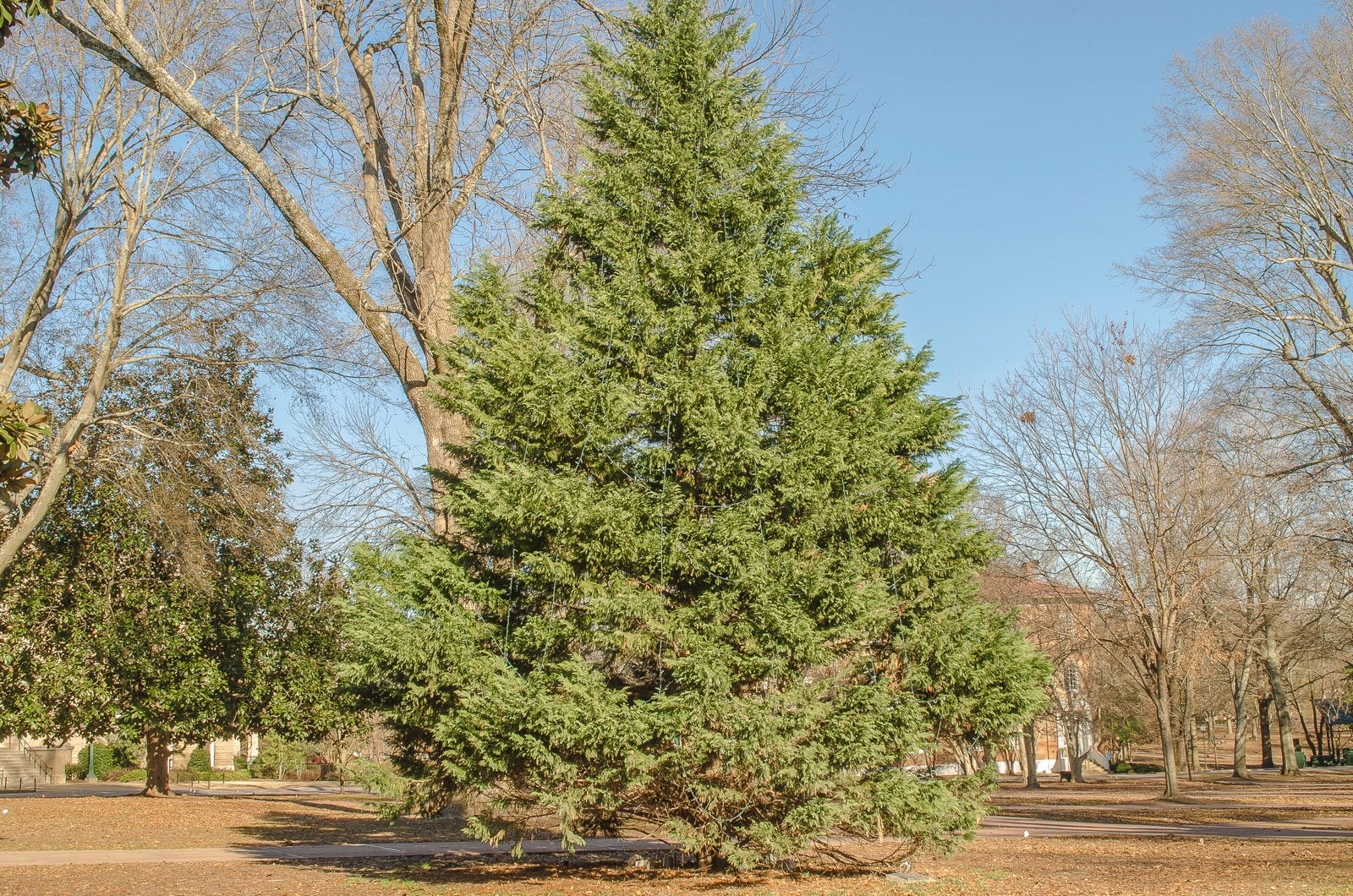
| Deodar Cedar | Cedrus deodara | Graceful branches, silver-green needles, fast-growing |
Eastern Red Cedar is common in North America. It is adaptable to different soils. Western Red Cedar is famous for its use in construction. Its wood is strong and durable.
Atlas Cedar is native to the Atlas Mountains. It is known for its stunning blue-green needles. Deodar Cedar originates from the Himalayas. This cedar grows fast and is quite elegant.
Credit: www.gardeningknowhow.com
Selecting The Right Cedar
Choosing the right cedar tree is crucial for your garden’s success. Different types of cedars thrive in different conditions. This guide will help you pick the perfect cedar for your needs.
Climate Considerations
Cedar trees thrive in various climates. Understanding your region’s climate is essential. Some cedars prefer warmer areas, while others do well in cooler climates.
Here is a quick guide:
- Western Red Cedar: Prefers coastal climates.
- Eastern Red Cedar: Tolerates hot and dry conditions.
- Deodar Cedar: Thrives in mild, winter climates.
Soil Requirements
Cedar trees need the right soil to grow well. They prefer deep, well-drained soils. Poor drainage can lead to root rot.
Here’s a simple table to guide you:
| Cedar Type | Soil Preference |
|---|---|
| Western Red Cedar | Moist, fertile soils |
| Eastern Red Cedar | Dry, sandy soils |
| Deodar Cedar | Well-drained, loamy soils |
Adding organic matter can improve your soil’s quality. This will ensure your cedar tree thrives.
Planting Cedar Trees
Planting cedar trees can transform your garden. They provide beauty and shade. Follow this guide for successful planting.
Choosing A Location
Cedar trees need ample space to grow. Choose a spot with plenty of sunlight. Ensure the soil is well-drained. Cedar trees don’t like waterlogged soil.
Check the soil’s pH level. Cedar trees prefer slightly acidic to neutral soil. Use a pH test kit to determine your soil’s pH.
| Soil pH | Condition |
|---|---|
| 6.0 – 7.5 | Optimal for Cedar Trees |
| < 6.0 | Too Acidic |
| > 7.5 | Too Alkaline |
Keep cedar trees away from structures. They have wide-reaching roots. Avoid planting near underground pipes.
Planting Steps
Follow these steps to plant your cedar tree:
- Dig a hole twice the width of the root ball.
- Ensure the hole is as deep as the root ball.
- Place the cedar tree in the hole. Ensure it’s upright.
- Fill the hole with soil. Press it down firmly.
- Water the tree thoroughly. Keep the soil moist but not soggy.
Mulch around the base of the tree. Use organic mulch like wood chips. This helps retain moisture and regulate temperature.
Water the tree regularly, especially during dry periods. Cedar trees need consistent moisture to establish roots.
Fertilize the tree in early spring. Use a balanced, slow-release fertilizer. Follow the package instructions for the correct amount.
Follow these steps for a healthy cedar tree. Enjoy the beauty and benefits they bring to your garden.
Caring For Cedar Trees
Proper care is essential for cedar trees to thrive. This section will cover the basics of watering and pruning cedar trees to keep them healthy and vibrant.
Watering Guidelines
Cedar trees need the right amount of water. Too much or too little can harm them.
- Water young trees deeply once a week.
- Use a soaker hose to reach deep roots.
- Check soil moisture before watering again.
Established trees need less water. Water them deeply every two weeks.
| Season | Watering Frequency |
|---|---|
| Spring | Once a week |
| Summer | Twice a week |
| Fall | Once a week |
| Winter | Once a month |
Pruning Tips
Pruning cedar trees helps maintain their shape and health. Follow these tips:
- Prune in late winter or early spring.
- Remove dead or diseased branches first.
- Trim back any crossing branches.
- Make clean cuts close to the branch collar.
Use sharp, clean tools for the best results. Do not over-prune; it can stress the tree.
Common Pests And Diseases
Cedar trees are beautiful and resilient. Yet, they can fall prey to various pests and diseases. Identifying and treating these issues early ensures healthy and thriving trees.
Identifying Issues
Spotting issues in cedar trees requires vigilance. Here are some common signs:
- Yellowing Needles: Often indicate root rot or fungal infections.
- Webbing: Can be a sign of spider mites.
- Holes in Bark: Indicate borer infestations.
- White Coating: May suggest powdery mildew.
Regularly inspect the needles, bark, and roots for abnormalities. Use a magnifying glass for smaller pests.
Treatment Options
Once you identify the issue, prompt treatment is crucial. Here are some effective methods:
| Problem | Treatment |
|---|---|
| Root Rot | Improve drainage, reduce watering, and apply fungicide. |
| Spider Mites | Spray with insecticidal soap or neem oil. |
| Borers | Prune affected branches, and use systemic insecticides. |
| Powdery Mildew | Apply sulfur-based fungicides and increase air circulation. |
Follow these steps to ensure your cedar trees remain healthy:
- Inspect trees regularly.
- Identify any issues early.
- Choose the appropriate treatment.
- Monitor the tree’s recovery.
Maintaining cedar trees is simple with vigilance and prompt action. Healthy trees enhance your landscape’s beauty.
Benefits Of Cedar Trees
Cedar trees offer numerous advantages for your garden and environment. They are known for their durability and beauty. Planting cedar trees can improve your surroundings in many ways.
Environmental Benefits
Cedar trees provide many environmental benefits. They help in improving air quality. These trees absorb carbon dioxide and release oxygen. This helps in reducing the greenhouse effect.
Erosion control is another benefit. Cedar trees have strong root systems. These roots hold the soil together. This prevents soil erosion during heavy rains.
They also offer habitat for wildlife. Birds and small animals find shelter in cedar trees. This helps in maintaining biodiversity in your area.
Aesthetic Value
Cedar trees add aesthetic value to any landscape. Their lush green foliage is visually appealing. They provide a natural and serene ambiance to your garden.
During the winter months, cedar trees retain their leaves. This gives your garden a lively look even in the cold season. Their sturdy trunks and branches provide structure and form.
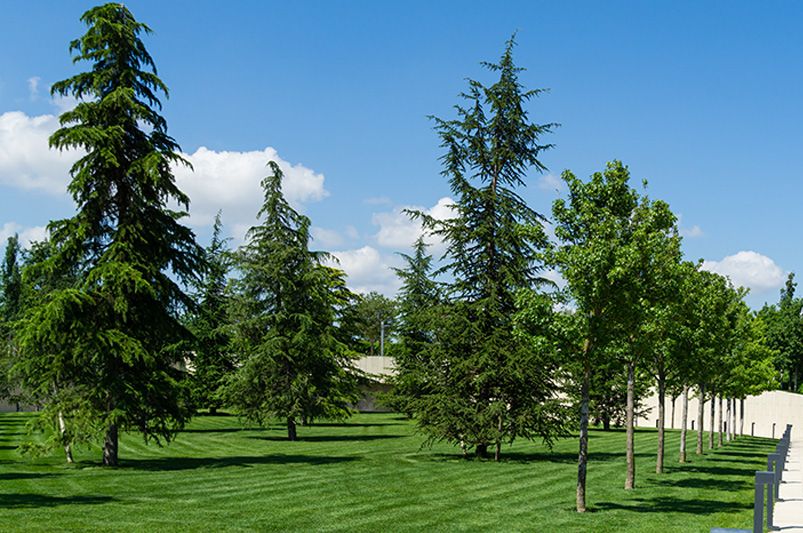
These trees also offer privacy screens. Planting them close together forms a natural barrier. This can provide privacy and reduce noise pollution.
In summary, cedar trees are a valuable addition to any garden. Their environmental benefits and aesthetic value make them a great choice for homeowners.
Using Cedar Wood
Cedar wood is a popular choice for various applications. Its unique properties make it ideal for woodworking projects, outdoor furniture, and more. Explore the benefits of using cedar wood and how to maintain its durability.
Woodworking Projects
Cedar wood is perfect for many woodworking projects. Its light weight and soft texture make it easy to work with. Here are some popular projects:
- Birdhouses
- Planter Boxes
- Outdoor Furniture
- Decorative Panels
Using cedar wood for these projects ensures they look beautiful and last long.
Durability And Maintenance
Cedar wood is known for its durability. It naturally resists rot, decay, and insects. This makes it an excellent choice for outdoor use.
Maintenance is also simple. Follow these steps to keep your cedar wood items in good shape:
- Clean regularly with mild soap and water.
- Apply a protective sealant every few years.
- Sand lightly to remove any rough spots.
With proper care, cedar wood items can last for many years.
Credit: www.shrubhub.com
Frequently Asked Questions
Where Do Cedar Trees Grow Best?
Cedar trees grow best in well-drained, moist soils with full sun exposure. They thrive in USDA zones 6 to 9.
How To Start A Cedar Tree?
To start a cedar tree, plant seeds in well-drained soil during spring. Keep soil moist but not waterlogged. Ensure full sunlight.
What Is The Best Time To Plant Cedar Trees?
The best time to plant cedar trees is in early spring or fall. These seasons provide optimal growth conditions. Ensure the soil is well-drained.
Are Cedar Trees Good To Have In Your Yard?
Yes, cedar trees are excellent for your yard. They provide shade, privacy, and enhance landscaping. Cedars also repel insects and improve air quality.
Conclusion
Starting with cedar trees can be both rewarding and straightforward. Choose the right location and care for them properly. Cedar trees can thrive with the right attention. Enjoy the beauty and benefits they bring to your landscape. Happy planting!